666 air targets and alarm bells ringing at NATO: what makes the April 25 attack unusual
25 April 17:01 ANALYSIS FROM
The night of April 25 served as yet another confirmation that the Kremlin has definitively shifted the war into a campaign of mathematical terror. 666 weapons of attack. The main target was Dnipro, where Russia launched 10 missiles and nearly a hundred drones. The attack lasted over 10 hours, affecting not only Ukraine but also the airspace of NATO countries. For the first time since the start of the full-scale war, allied aircraft were forced to shoot down Russian drones over Romanian territory. However, will this incident serve as a turning point for the Alliance regarding the threat level? Is Russia truly capable of launching hundreds of drones every day?
What happened in Dnipro?
Dnipro has suffered serious consequences from a massive attack by Russian forces, which occurred in several waves. According to official information, as of 2:00 p.m. on April 25, there were 5 fatalities and at least 34 casualties. This was reported by Oleksandr Hanzha, head of the Dnipropetrovsk Regional Military Administration. According to him, the strikes caused significant damage to the city’s civilian infrastructure.
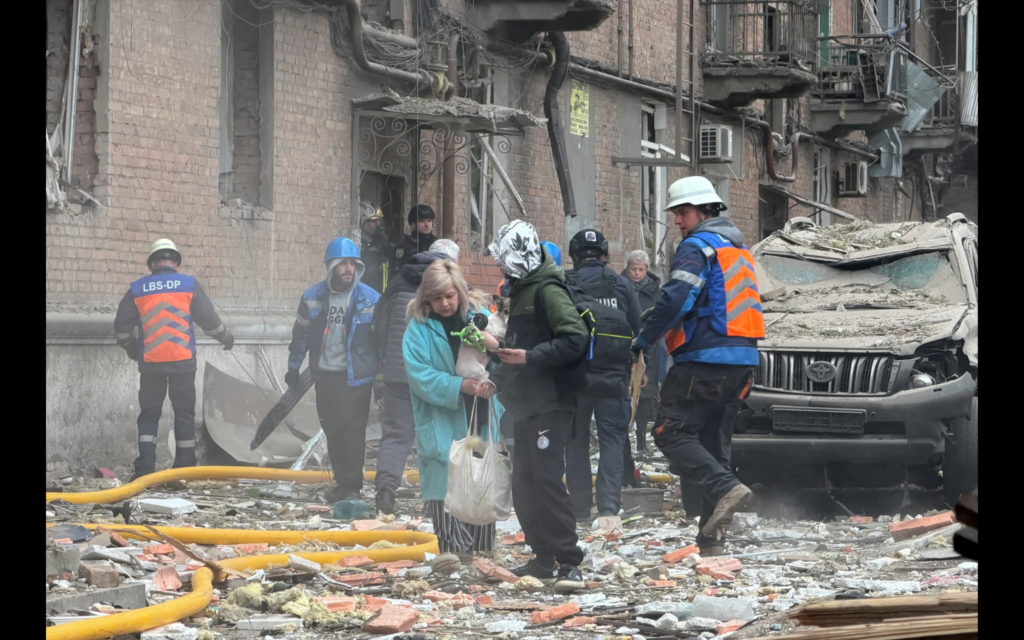
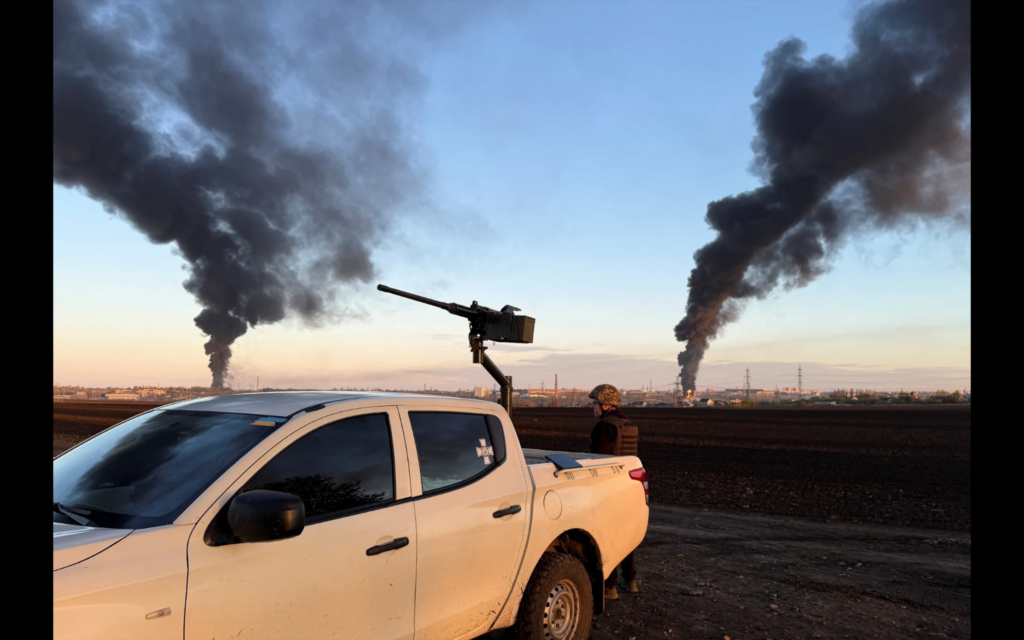
In particular, a multi-story residential building was damaged, as well as a gas station, where several cars were completely burned in a fire. Two of the injured were hospitalized, while the others are receiving necessary medical care. According to officials, the attack lasted not only through the night but continued into the day, complicating the work of rescue services and increasing risks for the civilian population.
In addition, air quality in the city has significantly deteriorated. According to the SaveEcoBot system, due to the fires and heavy smoke, pollution levels in some areas have reached 123 on the AQI scale for PM2.5, which is considered harmful to sensitive population groups. Rescue workers and municipal services continue to address the aftermath of the shelling, clear debris, and assist the victims.
President Volodymyr Zelenskyy responded to Russia’s latest massive attack on Ukraine, which caused casualties and significant destruction in several regions.
“The Russians bombed Dnipro and our other cities and communities practically all night. As of now, we know that more than 30 people have been wounded across Ukraine. There are also casualties in the Chernihiv, Odesa, and Kharkiv regions. Unfortunately, there are fatalities. Four people were killed. My condolences to their families and loved ones,” the president said.
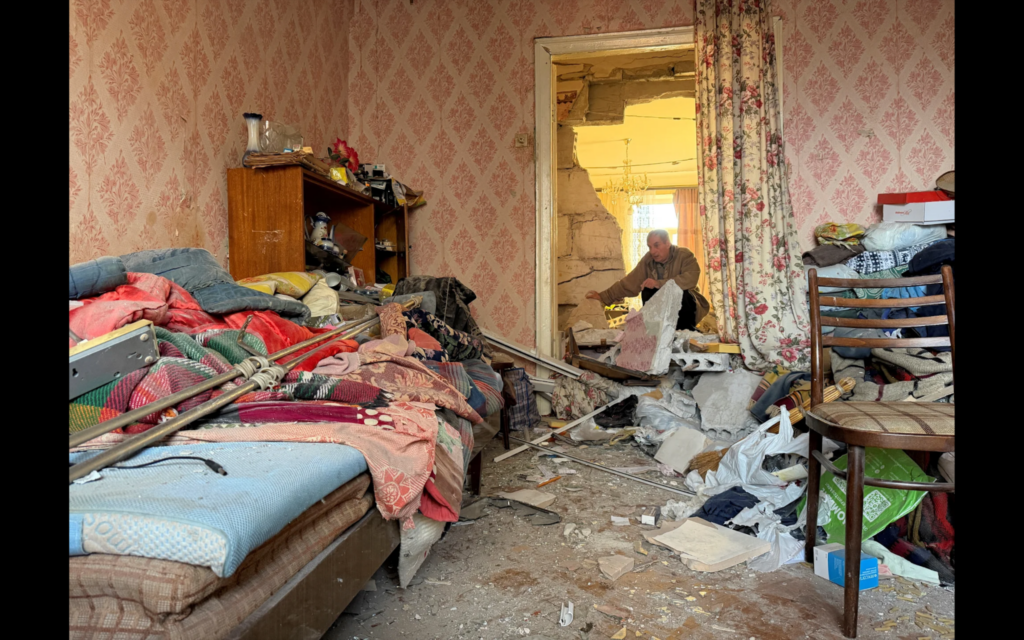
Zelenskyy emphasized that Russia’s tactics remain unchanged: the use of strike drones, cruise missiles, and ballistic missiles against civilian infrastructure. Among the damaged sites are residential buildings, energy facilities, and businesses.
Watch us on YouTube: important topics – without censorship
A “conveyor belt” of 200 “suicide bombers” per day
Aviation expert Konstantin Kryvolap commented
“They don’t need to wait for months. Three days of factory operation—and they have a ready fleet of 600 drones for a new massive attack. They operate on a ‘zero-stock’ basis: manufactured—launched,” notes Kryvolap.
This means that the “air defense attrition” tactic is moving to a new level. We need not only expensive ballistic missiles but also light-engine interceptor aircraft to bring down whatever breaks through to the cities.
What happened in Romania?
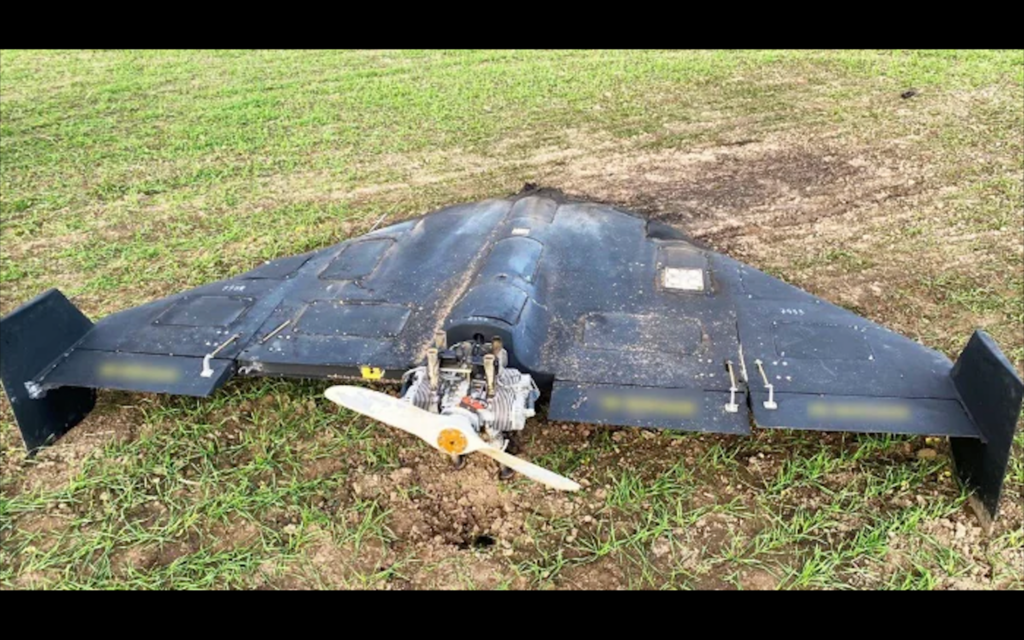
On the night of April 25, Russian drones were shot down over Romania for the first time after violating the country’s airspace during Russia’s attack on Ukraine. British fighter jets were involved in the interception. According to the Romanian Ministry of Defense, an air raid alert was declared after strike drones were detected approaching the country’s borders. In response, two Royal Air Force Eurofighter Typhoon fighter jets, which were patrolling the airspace, were scrambled.
Around 2:00 a.m., the planes took off from the Fetești airbase, and residents of Tulcea County were warned of a potential threat. According to military officials, approximately 1.5 km from the Ukrainian city of Reni, the pilots detected the targets on radar and received authorization to destroy them.
Around 2:31 a.m., residents of the city of Galați reported the fall of unidentified objects. The incident resulted in no casualties, but damage was recorded: farm buildings were destroyed and a power pole was damaged. Fragments of the downed drones were found in several locations. Law enforcement and military personnel quickly cordoned off the crash site, and the debris was collected for further analysis.
The Romanian Ministry of Defense emphasized that this is the first instance in which NATO aircraft have been authorized to shoot down Russian drones in the country’s airspace.
“Such incidents demonstrate the Russian Federation’s disregard for international law and pose a threat not only to the safety of Romanian citizens but also to NATO’s collective security,” the ministry stated.
Against this backdrop, President Zelenskyy has already emphasized that the 21st package of sanctions was needed “yesterday.” Any pause is time that Russia uses to adapt its “Iskander” and “Shahed” missiles.
Read us on Telegram: important topics – without censorship