Due to the slump in tourism: Hotel prices in Moscow have dropped significantly
29 July 19:16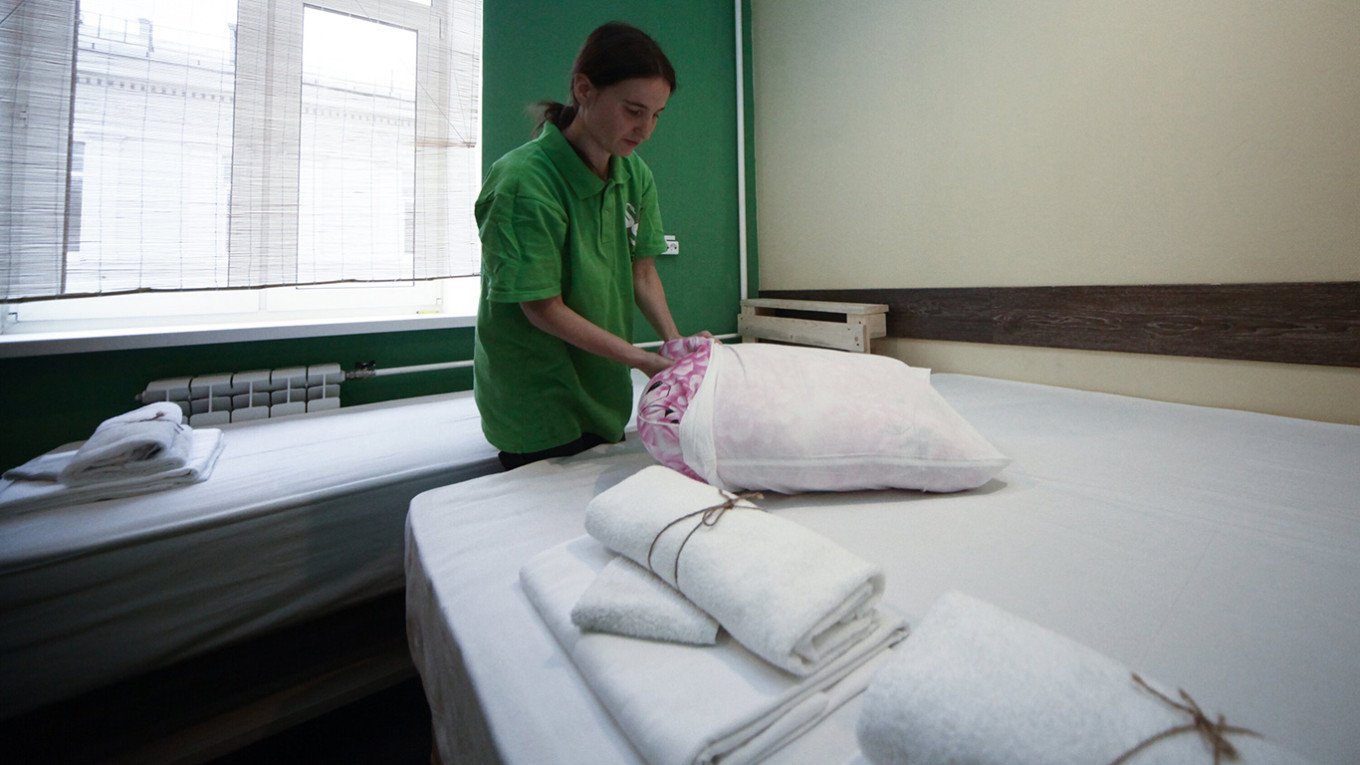
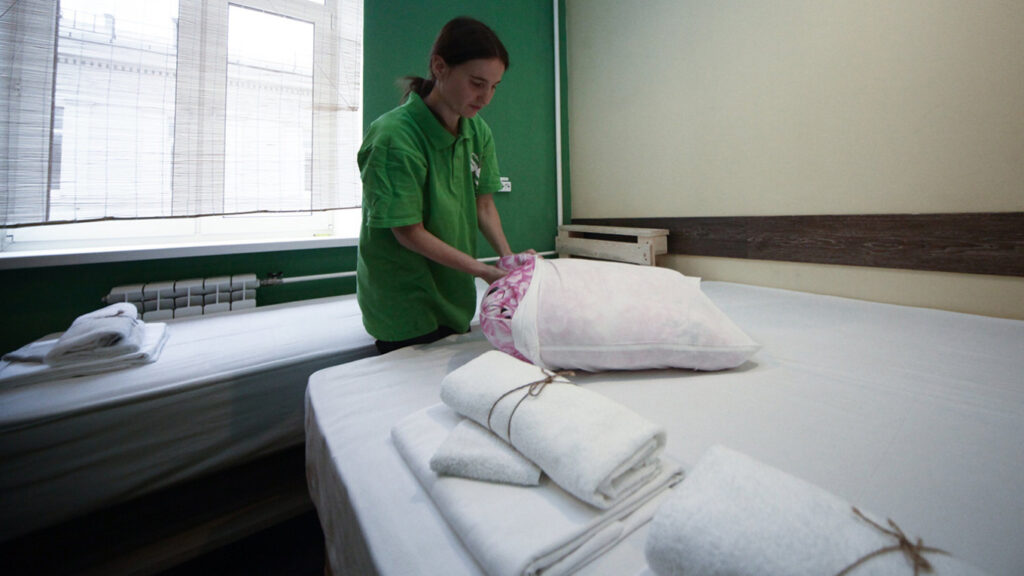
The average room rate at Moscow hotels fell by 6% year-over-year to 10,400 rubles in the first half of the year, following a 10% increase a year earlier, according to calculations by IBC Real Estate based on data from Hotel Advisors. This was reported by "Komersant Ukrainian", citing Russian propaganda media.
High-end hotels saw an even sharper decline—13%—to 13,000 rubles. Only the cheapest hotels saw an increase—up 4% to 4,900 rubles—while prices for luxury hotels remained unchanged at 42,000 rubles.
Watch us on YouTube: important topics – without censorship
Experts attribute this to the downturn in the tourism industry. Moscow, as the most popular destination, has not been spared. Attacks by Ukrainian drones are making airport operations unpredictable, and a fuel crisis erupted at the height of the vacation season. Those Russians who are still traveling this year are trying to save money: they are switching to apartments and rental units. As a result, the average hotel occupancy rate in the capital has also fallen—to 69%, which is 2 percentage points lower than a year ago.
All destinations have seen a decline. The first half of the year was the worst for inbound tourism since 2021. From January to June, foreign visitors made 2.99 million trips to Russia, which is nearly 20% fewer than last year, according to Rosstat data.
Inbound tourists have been affected by the cancellation of flights through the Middle East due to the war in the Persian Gulf. Disruptions in air service have made travel to Russia more difficult and expensive for residents of Arab countries and the Middle East.
Affluent Russians prefer to vacation abroad—in Turkey, Egypt, Thailand, the Maldives, and so on. The strong ruble makes outbound tourism more cost-effective compared to domestic travel. This is precisely why high-end hotels in Moscow have seen such a sharp decline, according to Hotel Advisors. These categories of tourists were key for Moscow hotels.
The situation is similar in St. Petersburg, where, according to IBC Real Estate, hotel occupancy rates and room rates have already dropped significantly over the first five months of the year.
Moscow remains a popular destination for domestic tourism, but over the summer, Russians significantly reduced the number of trips within the country, which was reflected in the half-year figures.
Tourist traffic in Russia during the first half of 2026 fell by 3% year-over-year to 40.1 million trips, according to Sergey Romashkin, vice president of the Association of Tour Operators of Russia (ATOR). A year earlier, the market had grown by 7% during the same period.
Many companies estimate the decline in demand for domestic travel to be even greater: tour operator “Alean” reported a 10% drop in the number of bookings for tours within Russia for the first half of the year, while Travelata.ru reported a 31% year-over-year decline. ATOR Vice President Sergey Romashkin attributed the decline in demand for domestic tourism to the fact that Russians “prefer to keep their disposable income in deposits rather than spend it on vacations.”
A representative of the Ministry of Economic Development reported that in June, the number of hotel bookings in the country fell by approximately 4% year-over-year. At the same time, he noted that from January through May, the number of domestic tourist trips increased by 6.2% to 34.2 million.
“The decline began in the summer, as the intensity of Ukrainian attacks increased, and the situation was exacerbated by the fuel crisis,” says the head of one of the leading domestic tourism operators.
According to him, while demand for southern resorts fell by 30–50% year-over-year at the start of summer, there is now a decline in virtually all destinations. A significant portion of tourists traveled by car, especially on weekend getaways, and in June this flow dropped sharply due to problems with purchasing gasoline, he explains.
Analysts at IBC Real Estate see no signs that the situation will improve. They estimate that Moscow hotels will end 2026 with lower prices, occupancy rates, and revenue per room than last year.
Read us on Telegram: important topics – without censorship