Featuring a portrait of Stus: The National Bank will put a 2,000-hryvnia banknote into circulation
10 July 15:34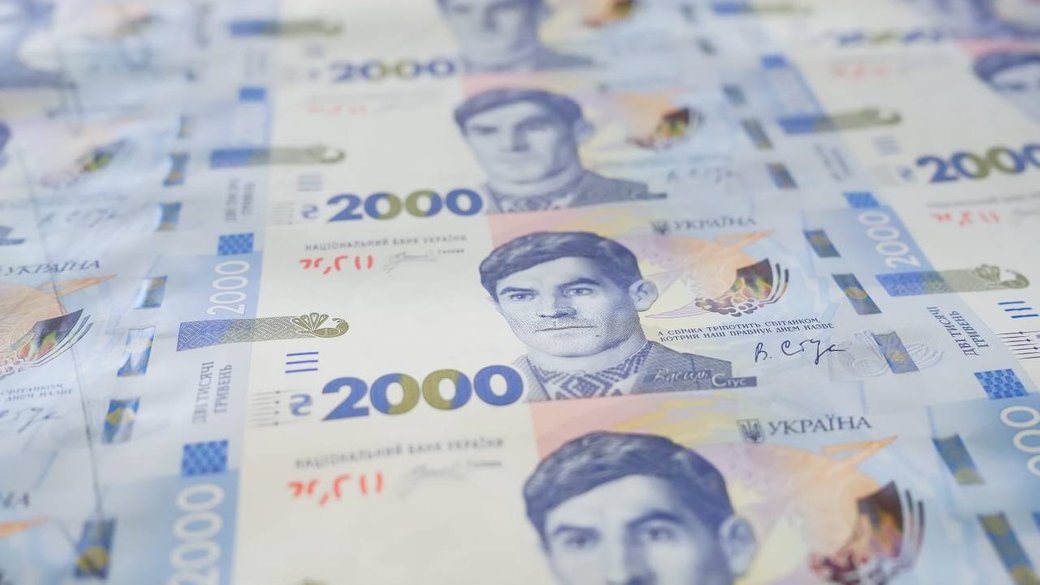
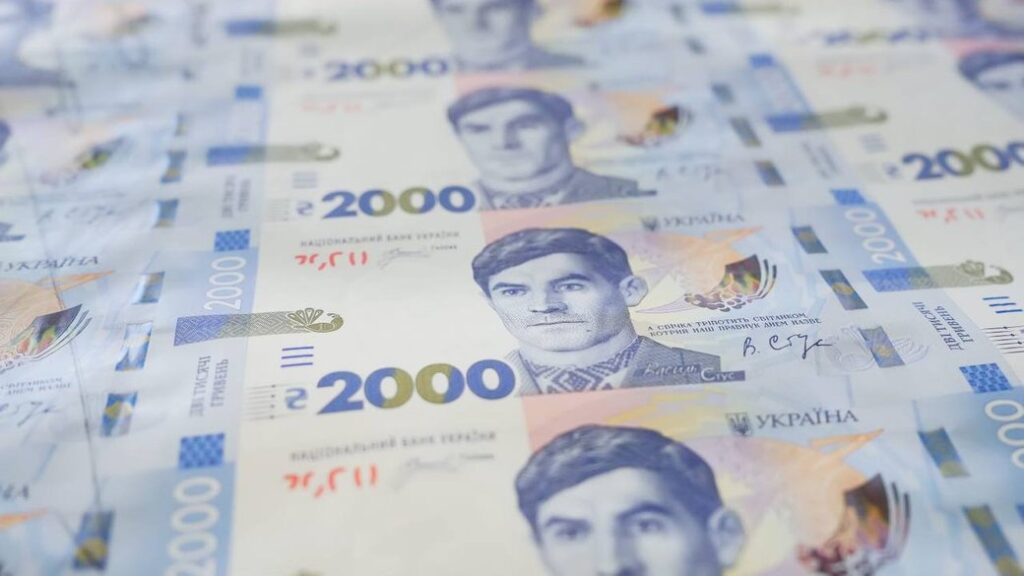
A new banknote will be introduced in Ukraine. A new 2,000-hryvnia note—the highest denomination—featuring the image of Vasyl Stus, a poet of the 1960s, will be put into circulation. This was announced during a press briefing by NBU Governor Andriy Pyshnyy, according to "Komersant Ukrainian", citing RBC-Ukraine.
The NBU governor also said that the new banknote will enter circulation on September 4 of this year— the day commemorating Vasyl Stus.
Banknote Features
Security features: The new banknote contains at least 20 modern security features, which significantly enhance its protection against counterfeiting, although the Ukrainian currency is already one of the most secure in the world, Pyshnyy emphasized.
The 2,000-hryvnia banknote features Vasyl Stus —an outstanding Ukrainian poet, translator, political prisoner, and dissident, and one of the most prominent figures of the Shistdesiatnyky movement.
Watch us on YouTube: important topics – without censorship
His portrait is featured on the front of the new banknote, and to the right of the portrait, his signature (V. Stus) can be seen.
In the lower left corner, the number “2000” is printed in large, bold type, preceded by the hryvnia symbol “₴.” The vertical denomination “2000” is also visible on the security strip to the right.
Denomination in words: The inscription “TWO THOUSAND” is printed vertically along the right edge.
Text inscriptions:
- In the upper left corner: “NATIONAL BANK OF UKRAINE.”
- In the upper right corner: “UKRAINE” along with the national coat of arms (the Trident).
The banknote also features security features and graphic symbols. The serial number is printed in red in the upper left corner.
The banknote is predominantly in shades of violet-blue and pink.
Why Vasyl Stus Was Chosen to Be Depicted on the Banknote
Pyshnyy explained that the visual series on the hryvnia historically reflects the continuity of our culture from Kievan Rus’ to the present day, and Stus’s figure perfectly completes this chronological series on the highest-denomination banknote.
The head of the NBU called the outstanding poet “the conscience of the nation” and a moral exemplar, whose willingness to fight for the truth to the very end resonates deeply in the heart of every Ukrainian who is defending freedom today.
Pyshnyy also admitted that Ukrainian children were the ones who ultimately sealed the deal in selecting the figure: during a contest organized by the Money Museum, they depicted Vasyl Stus in their sketches of the new banknotes without any prompts.
“The NBU’s Money Museum asked children to depict a historical figure they would like to see on banknotes. Six of the children’s drawings on the new-denomination banknotes depicted Vasyl Stus. After that, I personally had no doubts,” said the NBU governor.
Why Does Ukraine Need a New Denomination?
According to the head of the National Bank of Ukraine, the launch of the new denomination is driven by the need to optimize cash circulation and logistical processes.
Specifically, in 2025, the National Bank transported hundreds of metric tons of banknotes in denominations of 200, 500, and 1,000 hryvnias (the weight of the 200-hryvnia notes alone totaled 224 metric tons, 264 metric tons for the 500-hryvnia notes, and 245 metric tons for the 1,000-hryvnia notes). The introduction of a higher denomination is expected to significantly relieve the strain on this system.
Logistics Optimization: Replacing 1,000-hryvnia notes with the new banknote will cut logistics costs by half, 500-hryvnia notes by four times, and 200-hryvnia notes by ten times.
Cost savings: The government’s overall expenses for transporting, handling, and storing cash will be reduced.
Incentive to save: The new banknote will encourage savings in the national currency rather than in foreign currencies.
As Pyshnyy stated, over the past 7 years, the volume of cash in circulation has grown significantly—from approximately 390 billion hryvnias to over 970 billion hryvnias. This is due to both the nominal growth of the Ukrainian economy and price factors.
Despite the increase in the amount of cash, the share of non-cash card payments is growing rapidly. In 2019, it stood at 82%; at the time of the full-scale invasion, it was 90%; and by 2026, it had reached 96% in terms of the number of transactions. The war has not halted this trend.
The Need for Cash During War: The experience of full-scale war has demonstrated the significant value of cash in ensuring stability in frontline territories and during crisis situations, when the population needs assurance that money is available.
Economic Rationale for Introducing the 2,000-Hryvnia Note
The head of the National Bank explained the need to introduce the new banknote:
Change in the banknote structure: The share of the highest-denomination banknotes in circulation is a traditional trigger for introducing a new denomination. In 2019, prior to the introduction of the 1,000-hryvnia note, the share of 500-hryvnia notes reached 55%. As of July 1, 2026, the share of 1,000-hryvnia banknotes also reached the critical threshold of 55%.
Wage growth: Compared to 2019, when the average monthly wage was just over 10,000 hryvnias, by May 2026 it had tripled to 30,961 hryvnias. Previously, it took 20 banknotes of the largest denomination to pay the average salary, but after the introduction of the 2,000-hryvnia note, it took 30 banknotes.
Inflation and exchange rate factors: Since the introduction of the previous denomination (in 2019 compared to 2006), prices as measured by the inflation index have risen 4.5 times, and in 2026 compared to 2019, they have doubled. The official average annual hryvnia-to-dollar exchange rate over these years has also changed, and the value of 100 U.S. dollars in 2025–2026 (over 4,100 UAH) is now twice the value of the new 2,000-hryvnia denomination.
Other benefits of introducing the new denomination:
- For commerce: More convenient cash transactions, reduced workload for cashiers, and enhanced protection against counterfeiting.
- For banks: Reduced operational costs for transporting, counting, and storing cash, and improved efficiency in providing cash supplies.
- For citizens: Convenience in using and storing savings in hryvnia, as well as high reliability.
As a reminder, the National Bank of Ukraine last introduced a new highest-denomination banknote on October 25, 2019.
Read us on Telegram: important topics – without censorship