The End of the Orbán Era: Will Hungary Truly Break Away from Russia, and What Will Magyar Bring to Ukraine?
13 April 15:41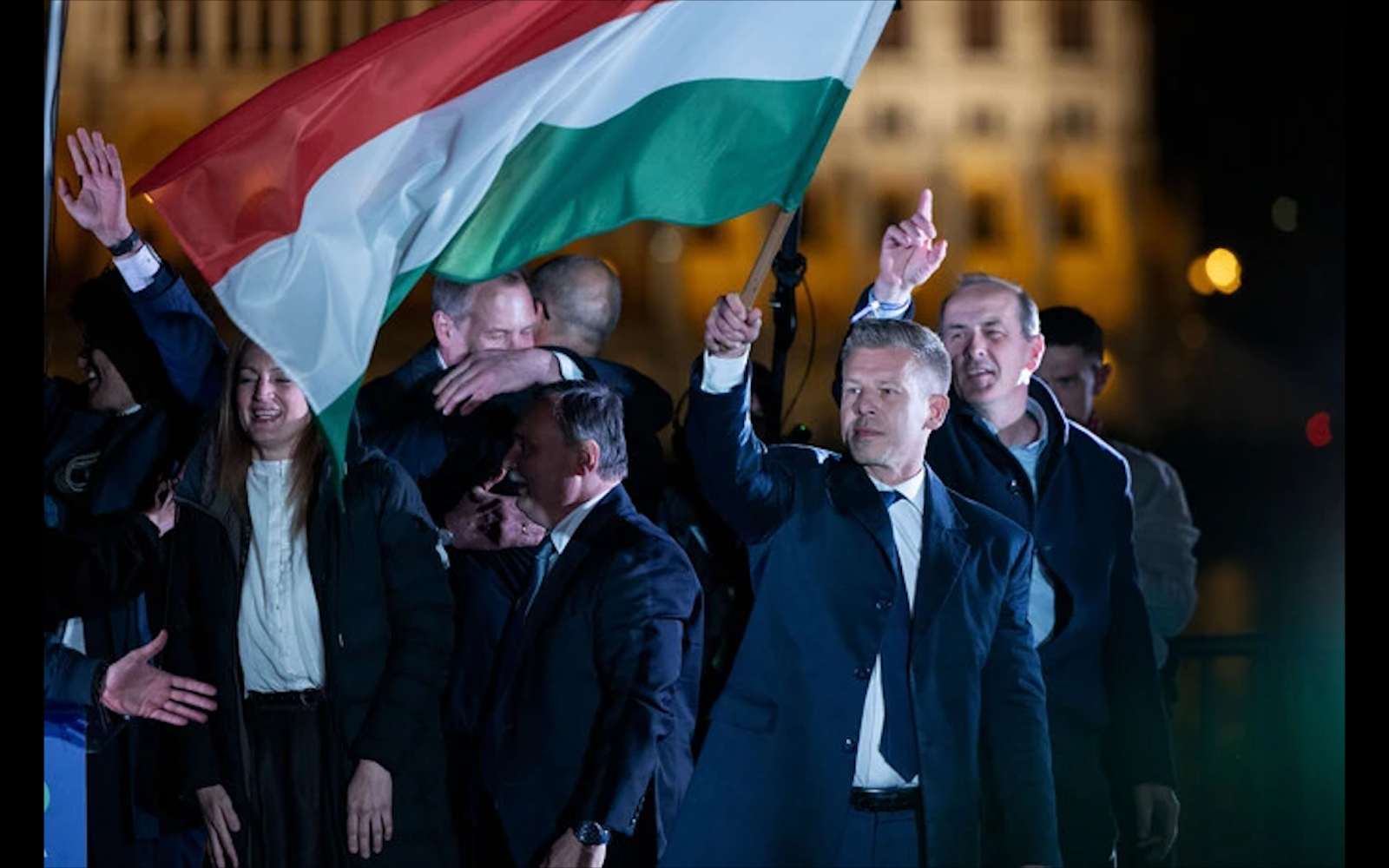
The victory of the opposition party “Tisa” in Hungary’s parliamentary elections marked the end of the Viktor Orbán era, but not the end of the complex geopolitical game between Budapest, Kyiv, and Moscow. Péter Magyar is already laying the groundwork for negotiations with Vladimir Putin, while experts are warning Ukraine against excessive optimism. Why is Péter Magyar openly speaking about the impossibility of a quick break with Russia? Is Hungary’s new leader really just a “modernized version” of a young Orbán? What must Bankova do to avoid losing the diplomatic battle to the new Budapest? And most importantly—can Hungary overcome its energy dependence on the Kremlin, or is this merely a convenient excuse? "Komersant Ukrainian" investigated.
Budapest is on the verge of major changes. Péter Magyar, the man who managed to dismantle the Fidesz party’s monopoly, is beginning to outline the contours of his foreign policy. Despite hopes for a democratic turnaround in Hungary, the new leader’s first statements sound sober, and at times—alarming to those hoping for a swift break with Russia.
Mátyás made it clear: despite the change of faces in the government, Europe’s energy map remains unchanged. In a recent speech, he acknowledged that Hungary is destined to engage in dialogue with the Kremlin.
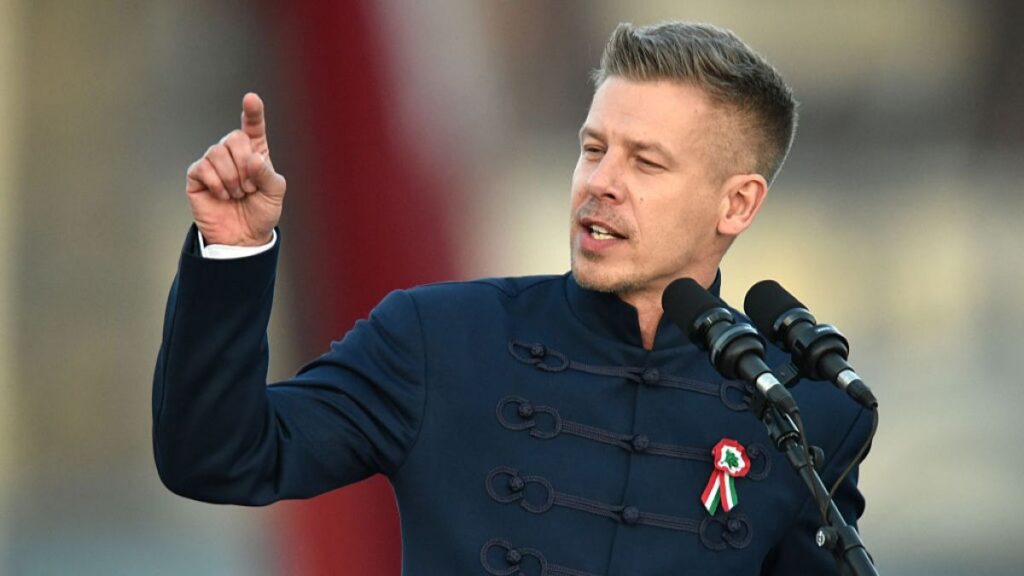
“If circumstances dictate, we will have to sit down at the negotiating table with the Russian president. The geographical location of neither Russia nor Hungary will change. And our energy dependence will also remain for some time,” stated Péter Magyar.
Although he added that “we will not become friends,” the emphasis on diversification—which “cannot be achieved overnight”—indicates that Hungary will remain a difficult partner for the EU regarding sanctions pressure on Russia’s energy sector.
What does Magyar’s election mean for Ukraine?
In Ukraine, the news of Orbán’s defeat was met with elation. However, political scientist and analyst Ihor Tyshkevych, in a comment for “Kommersant Ukrainian,” calls for a “cold shower.” According to him, economic inertia is a force that cannot be ignored.
“The issue of certain economic ties between Hungary and Russia hasn’t gone anywhere. Mádár’s statement about negotiations with Moscow is entirely logical. If there is a history of economic ties, they aren’t severed in five minutes,” Tyshkevich notes.
The analyst draws a parallel with Ukraine itself, recalling that even after the annexation of Crimea in 2014, trade relations with the aggressor continued for years, right up until the full-scale invasion. Expecting Hungary to do this “tomorrow” is, according to the expert, “a fantasy scenario.”
Yevhen Magda, director of the Institute of World Policy, urges people to let go of illusions. Magyar’s political roots lie in the same soil where Orbán himself once grew.
“Magyar largely occupies the same part of the political spectrum as Viktor Orbán. Some even say he resembles Orbán from 16 years ago,” notes Yevhen Magda.
According to the expert, Orbán’s claims that his defeat would bring a “pro-Ukrainian government” to power were a strategic manipulation. In reality, Mádor represents not a pro-Ukrainian shift, but an attempt to modernize Hungarian conservatism.
The winner’s first steps already provide food for thought. In his speech after the polls closed, Magyar clearly outlined the priorities of his foreign policy.
“He promised to visit Warsaw and Vienna, and will obviously fly to Brussels. But Kyiv was not mentioned in this list. This is a telling fact,” Magda emphasizes.
The political scientist notes that there is currently no clear demand within Hungarian society for a rapid normalization of relations with Ukraine. During the campaign, Magyar tried to distance himself from Ukrainian issues, and at times even supported critical rhetoric toward the Ukrainian leadership so as not to lose conservative voters.
The Legacy of Fidesz: Will There Be a Real Transformation?
One of the key factors is the origin of Magyar’s political force itself. The “Tisa” party did not emerge from a vacuum—it is the product of a transformation among a segment of the elite that was previously integrated into Orbán’s system.
“This is a certain transformation of a segment of Fidesz party members. Some of the core ideological principles remain the same. Therefore, we can speak of relief and opportunities, but it would be wrong to think that everything will change immediately,” emphasizes Ihor Tyshkevych.
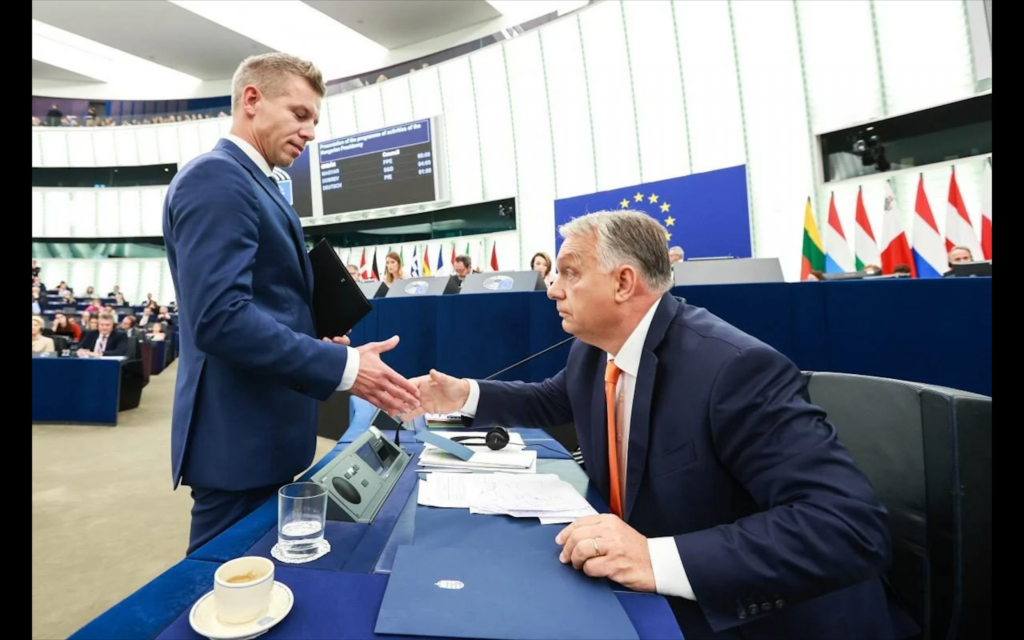
The change in leadership allows us to return to discussing certain problematic issues in foreign relations, notes Ihor Tyshkevych, and identifies the key challenges for Ukrainian diplomacy:
- Diaspora issues: Cultural policy and the rights of the Hungarian minority in Zakarpattia will remain on the agenda.
- Border infrastructure: The need to expand border crossings and combat smuggling.
- Compromises: Magyar will defend Hungarian interests, which do not always align with Ukrainian ones.
Will Ukraine and Hungary be able to reach an understanding?
A change in leadership in Budapest is not a guarantee of friendship, but merely “an opportunity to try to start a conversation.” Tyshkevych emphasizes that the ball is now in the court of the Ukrainian Ministry of Foreign Affairs and the Office of the President.
Ukraine will have to prepare for the fact that Budapest’s responses will not always be pleasant. However, the shift from the language of ultimatums during the Orbán era to the language of pragmatic demands is already a significant step forward.
“The beginning of a compromise includes demands from both sides and claims by both sides against each other,” Tyshkevich concludes.
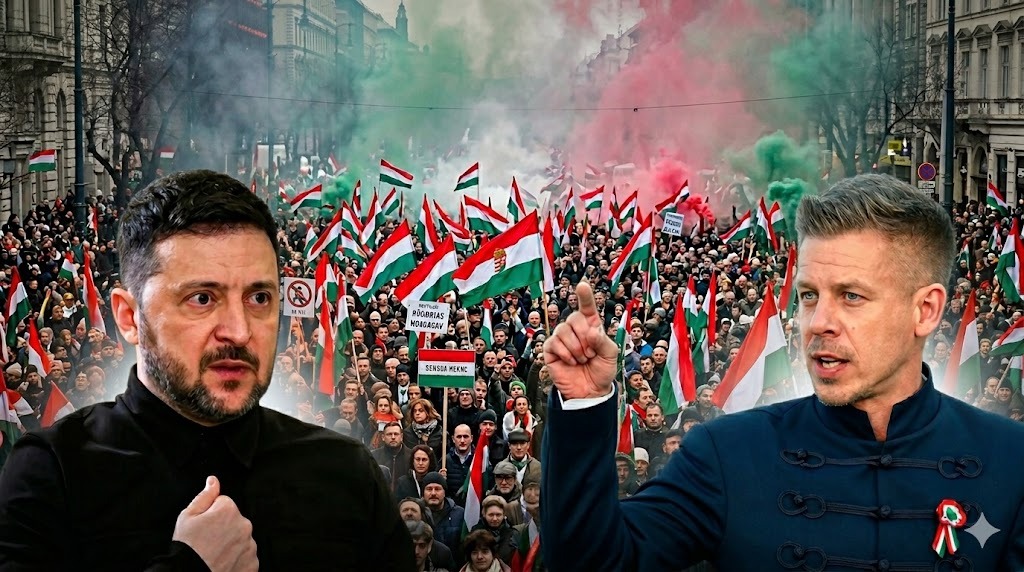
Mátyás is opening the door to dialogue, but waiting for Ukraine behind that door is not an “advocate,” but a tough negotiator who must reckon with Moscow’s shadow and the price of gas.
Thus, the change of power in Hungary is not a victory for Ukraine, but a change in the rules of the game. The main conclusion for Ukraine is that the era of Orban’s hysterical blockades may give way to an era of subtle diplomatic bargaining. For the Ukrainian Ministry of Foreign Affairs, this means a shift from fighting “Putin’s friend” to grueling negotiations with a tough pragmatist. Hungary remains within the orbit of its own interests, where Moscow’s shadow and the price of gas still carry more weight than emotional calls for justice.