Nissan is betting on AI: autonomous driving in 90% of its models
15 April 17:54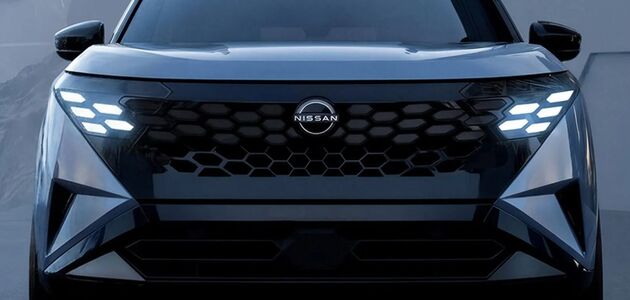
Japanese automaker Nissan Motor Co. has announced plans for the large-scale rollout of autonomous driving systems based on artificial intelligence. This was reported by Kyodo News, according to "Komersant Ukrainian".
The company stated that:
- it plans to integrate such systems into 90% of its future models,
- will introduce next-generation technology by the end of fiscal year 2027.
Key development: Focus on the Elgrand
The first vehicle to feature the new technology will be the updated Nissan Elgrand minivan.
It is expected that:
- the model will be unveiled as early as summer 2026,
- it will become the flagship of the new autonomous driving strategy.
New models: hybrids and electric vehicles
At the same time, Nissan is expanding its lineup of electrified vehicles:
- a hybrid version of the Nissan X-Trail
- the electric version of the Nissan Juke
This demonstrates the company’s commitment to:
- reducing dependence on internal combustion engines,
- combining electrification with autonomous technologies.
Fewer models — greater efficiency
As part of Nissan’s reform:
- it will reduce its model lineup from 56 to 45 vehicles,
- focus on the most profitable and technologically advanced segments.
This approach is intended to:
- reduce costs,
- accelerate model updates.
Aggressive restructuring
The company is also implementing large-scale changes in production:
- plans to close 7 plants in Japan and abroad
- including a plant in Oppama (Yokosuka, Kanagawa Prefecture)
- will cut about 20,000 jobs
This is part of a broader business optimization strategy.
The AI Race
Nissan’s moves come amid a global technological race.
Specifically:
- Volkswagen is investing up to €1 billion in artificial intelligence
- Microsoft plans to invest $10 billion in Japan in AI and cloud infrastructure
What This Means
Nissan’s strategy demonstrates a shift in the automotive industry’s priorities:
- cars are becoming software products,
- competition is shifting to AI rather than just mechanics,
- companies are forced to cut costs to invest in technology.
At the same time, consumers will gain more autonomous features, but the industry’s transformation is accompanied by layoffs and plant closures.