Russia has arrested Yulia Tymoshenko in absentia: what is known about the case and why it was brought
27 January 17:56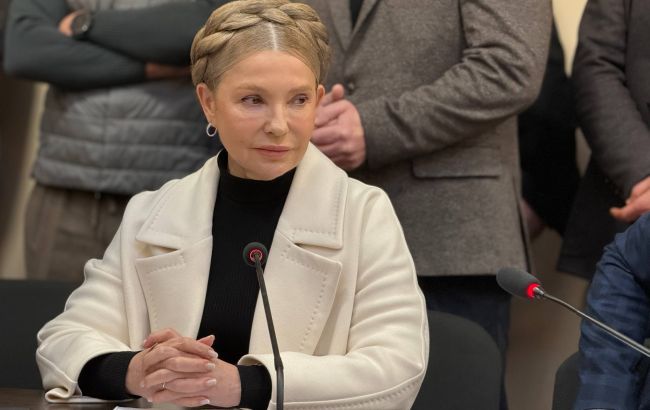
In Russia , former Ukrainian Prime Minister and leader of the Batkivshchyna party Yulia Tymoshenko was arrested in absentia in a case involving so-called “military fakes.” This was reported by the Russian Prosecutor General’s Office, according to Radio Liberty, as reported by "Komersant Ukrainian".
According to the Russian occupiers, Tymoshenko was allegedly motivated by “political and ideological hatred” towards the Russian military and prepared a post on one of the social networks, which, according to the Russian side, contained “deliberately false information” about the involvement of the Russian army in the killings of civilians in Bucha and Irpin.
Context of the charges
The charges were brought under Russian criminal law, which, following Russia’s full-scale invasion of Ukraine, has been actively used against foreign politicians, journalists, and public figures who speak publicly about the Russian army’s war crimes.
Moscow consistently denies the responsibility of its military for the mass killings of civilians in Bucha and Irpin, despite numerous international investigations and evidence gathered by Ukrainian and Western investigators.
International search and arrest in absentia
In July 2024, Russian authorities issued an international arrest warrant for Yulia Tymoshenko. Arrest in absentia is the next step in the procedure, which, however, has no practical legal consequences outside Russia unless the decision is recognized by other states.
Yulia Tymoshenko has not publicly commented on the decision of the Russian Prosecutor General’s Office.
Parallel cases in Ukraine
Against the backdrop of the Russian decision, it is worth noting that Tymoshenko is also involved in criminal proceedings in Ukraine. Ukrainian law enforcement agencies suspect her of initiating negotiations with individual parliamentarians to provide unlawful benefits in exchange for loyal behavior during voting.
Tymoshenko herself categorically rejects these accusations, calling them a provocation and the case materials falsified.
Political and legal dimensions
Experts have previously noted that Russian cases involving “military fakes” are not only legal but also political in nature and are used as a tool to pressure and symbolically persecute the Kremlin’s opponents, both inside Russia and beyond its borders.
In the case of Yulia Tymoshenko, it is more of a political signal than a real attempt to secure her extradition or enforce her sentence.