China’s Anta Acquires a Stake in Puma: What the Deal Means and Why It Matters
27 January 17:51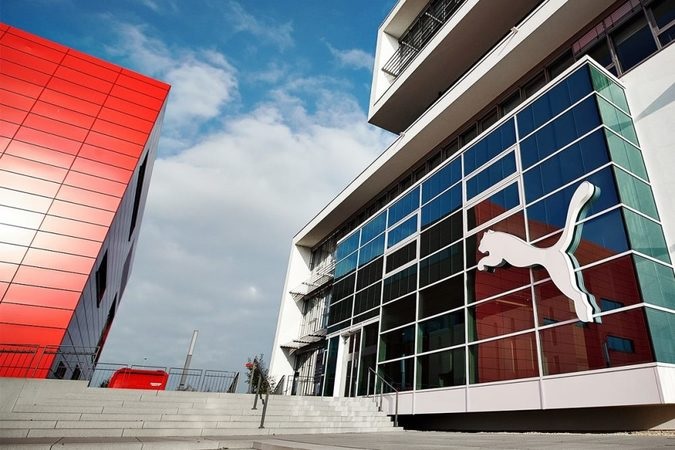
Chinese sportswear manufacturer Anta Sports will become the majority shareholder of German brand Puma by acquiring a 29% stake from the Pino family for €1.5 billion. The deal was reported by Reuters , according to "Komersant Ukrainian".
Anta will pay €35 per share, representing a 62% premium to the closing price in Europe on January 26 (€21.63). The market reaction was immediate: Puma shares rose 17%, while Anta shares gained more than 3% at the start of trading in Hong Kong.
Why Puma is selling its stake right now
The sale comes at a time when Puma is trying to regain its footing in the global sportswear market. In recent years, the brand has been losing market share to key competitors—primarily Nike, as well as fast-growing players like New Balance and Hoka.
Against this backdrop, investors have been skeptical about the German company’s prospects, which explains the Pino family’s willingness to divest part of the asset in exchange for a substantial premium.
The partnership with Anta is expected to help Puma strengthen its presence in mainland China —one of the most profitable and dynamic sports apparel markets in the world.
Anta is actively developing a multi-brand model, combining global brands with local expertise in distribution, marketing, and manufacturing. It is precisely this experience that could be key for Puma in the battle for Chinese consumers.
Citigroup analysts believe that “the completion of the deal and Anta’s rapid expansion of influence following the acquisition instill confidence in a potential revival of Puma’s business.”
What does this mean for Anta
For Anta, the deal is another step toward becoming a global player, rather than just a regional champion. The company already owns brands such as Fila, Jack Wolfskin, Kolon Sport, and Maia Active, and is the largest shareholder in Amer Sports, which includes Salomon, Wilson, Peak Performance, and Atomic.
Anta emphasizes that it does not plan a full takeover of Puma, but after the deal closes, it will seek a seat on the German company’s board of directors —which will allow it to influence strategic decisions.
The deal requires antitrust approval from regulators in China and other jurisdictions. Anta states that the transaction will close after all necessary conditions are met and is expected by the end of 2026.