Prisoners, mercenaries, and forced conscription: how the Kremlin is bolstering its army at the expense of occupied territories
21 April 18:27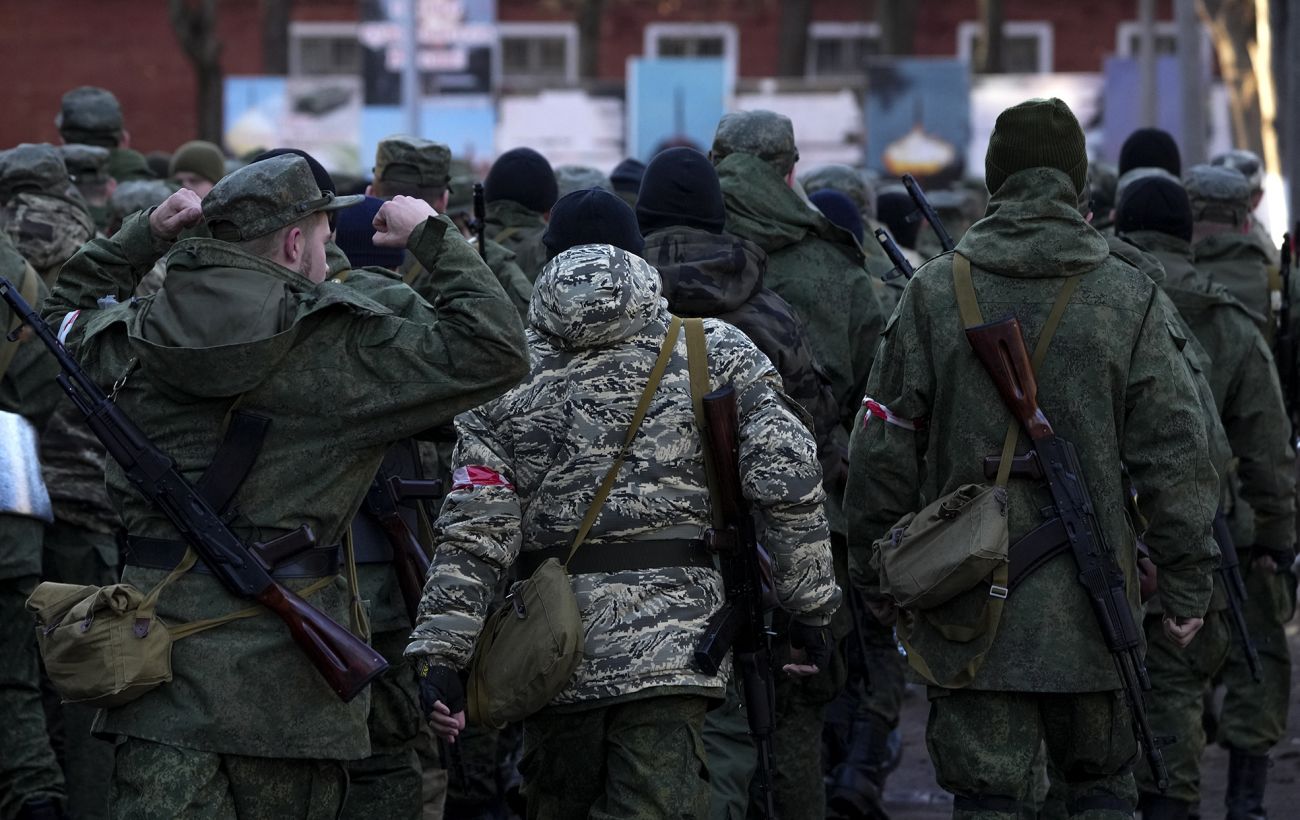 ANALYSIS FROM
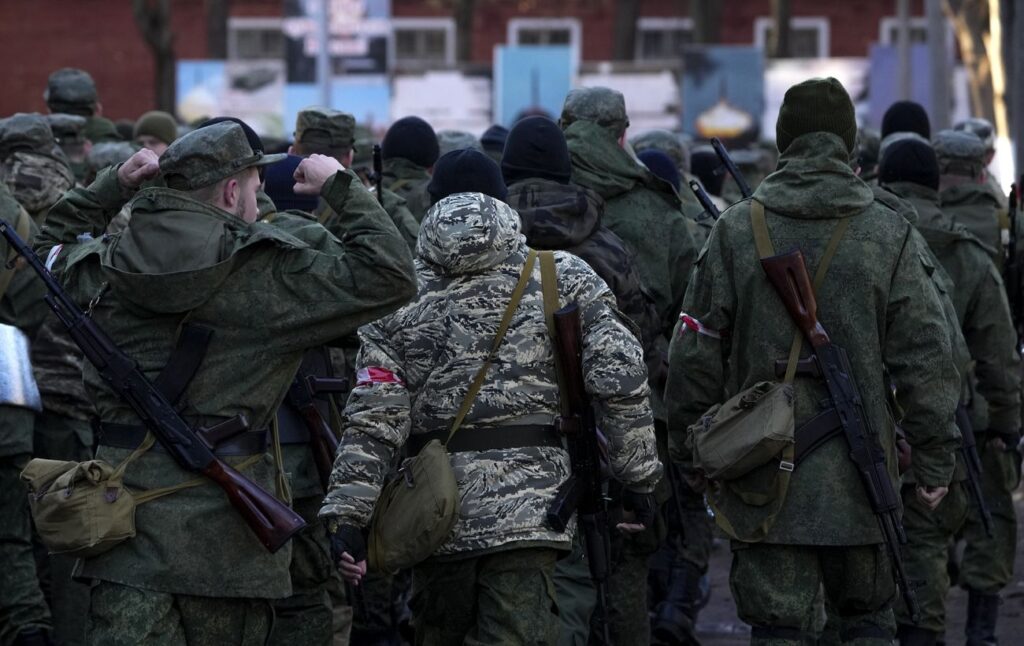
In an effort to offset significant losses on the front lines, the Russian army is stepping up mobilization efforts in the temporarily occupied Ukrainian territories and increasing its recruitment of foreign mercenaries and prisoners.
First and foremost, large-scale mobilization has swept through the occupied parts of the Luhansk, Donetsk, Zaporizhzhia, and Kherson regions. The main focus is on enlisting local residents—Ukrainian citizens living there. Mobilization is even taking place at critical infrastructure facilities, particularly in the coal industry and at sites that support the functioning of regional centers such as Luhansk and Donetsk. A severe shortage of skilled workers is already being felt.
Under the new legislation, starting January 1, 2026, the conscription of citizens of the occupying state for military service will take place without the traditional division into spring and fall campaigns.
Mobilization is comprehensive in nature and is accompanied by restrictions on freedom of movement.
The draft age is set between 18 and 65 years. At the same time, exit from the temporarily occupied territories of Luhansk and Donetsk regions to Russia has effectively been closed to prevent local residents from further traveling to European countries. Thus, personnel replenishment occurs almost exclusively at the expense of the population of the occupied territories.
Russia Expands Forced Mobilization: Occupied Territories, Prisoners, and Mercenaries as Resources for War
Military analyst and co-chair of the civil initiative “Prava Sprava” Dmytro Snegirev stated in an exclusive comment to "Komersant Ukrainian" that the exact scale of the forced mobilization of Ukrainians is difficult to assess, but available data indicates tens of thousands have been conscripted.
“It is impossible to name the exact number of Ukrainians forcibly mobilized into the Russian army since the start of the full-scale invasion. According to the Coordination Headquarters, the figure is 46,327 people. The Main Intelligence Directorate reported 60,000. The largest number comes from Crimea, over 35,000. In Sevastopol, there are more than 5,000, and the same number in the occupied part of Donetsk Oblast,” the expert noted.
Mobilization as a Tool of Demographic Pressure
According to the analyst, the Kremlin uses mobilization not only to compensate for losses at the front but also as a mechanism to influence the population of the occupied territories.
“In thisway, the Kremlin not only replaces catastrophic losses but also resolves a demographic issue by ridding itself of a potentially disloyal population,” he explained.
In addition, conscripts are often sent to the front without proper training, which significantly increases the casualty rate.
Recruiting foreign fighters remains a separate issue. While earlier estimates put the number at around 15,000, Ukrainian intelligence now reports that the figure has reached approximately 30,000. However, as noted, the level of support for these mercenaries is significantly lower than that provided to Russian contract soldiers.
Prisoners as a Mobilization Reserve
Prisoners remain another key source of army reinforcements. Russian security forces are effectively carrying out forced mobilization among the so-called “special contingent.” According to estimates by Western analysts, in 2025 alone, at least 126,000 people from this category were drafted into the military—including prisoners, individuals under investigation, debtors, and those with legal issues.
“This is a significant mobilization reserve that will continue to be actively utilized,” the expert notes.
According to Ukrainian intelligence, in 2026, Russia plans to mobilize at least 10,000 people from this group every month.
Changes in Russian legislation play a separate role. Following the events related to Prigozhin’s mutiny, Vladimir Putin allowed prisoners to sign contracts with the Ministry of Defense directly, including even in the courtroom. In total, according to the Federal Penitentiary Service, over 500,000 people are held in Russian prisons, creating a significant pool of recruits for the army.
Russian authorities are also increasing pressure on conscripts. Formally voluntary contracts with the Ministry of Defense are often signed under duress. This allows the Kremlin to avoid openly announcing a new wave of mobilization.
Fear of social instability
Despite massive losses, the Russian leadership is reluctant to order an official mobilization due to the risk of internal protests.
“Putin will not resort to either full or even partial mobilization before the elections, fearing social upheaval,” the expert noted.
According to him, even isolated infrastructure glitches—such as issues with Telegram that affected the banking sector—have already sparked a wave of discontent.