A journalist urged people not to share unblurred photos of the deceased: “Human death should not become content”
7 July 09:09
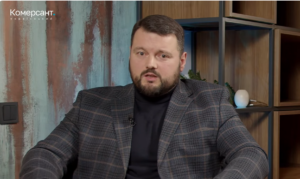
Ukrainian journalist, writer, and TV host Ruslan Gorovyi has appealed to social media users, urging them not to share unblurred photos of those killed in Russian attacks. The journalist posted a message to that effect on his Facebook page, according to "Komersant Ukrainian"
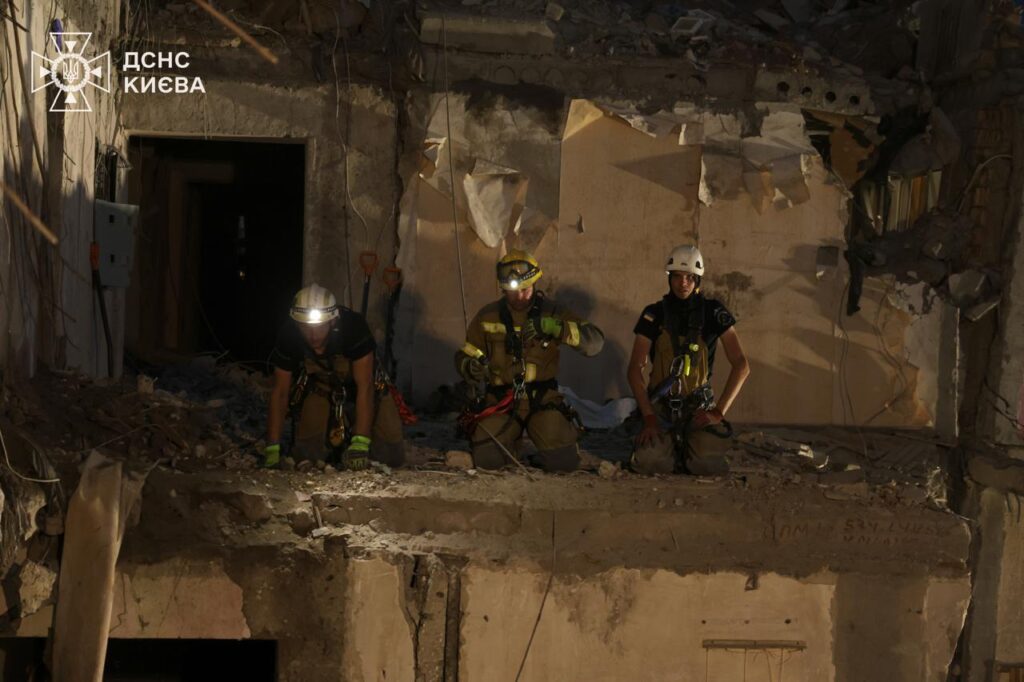
Following the latest wave of massive Russian attacks, Ukrainian social media was once again flooded with photos of dead and wounded civilians.
The journalist noted that he has been working at “Magnolia TV” for 28 years and, during that time, has repeatedly covered tragic events, accidents, crimes, and the consequences of wars.
According to him, early in their careers, Ukrainian journalists essentially set their own professional standards for covering such topics.
“Over the years of my journalistic work, I’ve seen countless injuries and deaths. In fact, my colleagues and I have been learning how to convey and present all of this ever since the launch of the ‘Situation’ program. We learned from our own mistakes, because back then there was no one to learn from—we were the first,” Horovyi wrote.
Watch us on YouTube: important topics – without censorship
Later, he said, he formulated a rule for himself that he still follows today.
“Over the years, I’ve come up with a very simple rule for myself: never show a person—especially a dead one—in a way that you wouldn’t want your loved ones or yourself to be shown,” Horovyi wrote.
The journalist emphasized that professional media outlets can convey the full scale of the tragedy without showing shocking footage.
As an example, he cited a well-known photo from the liberated town of Bucha, which showed only the hand of a deceased woman with red nail polish.
According to Horovyi, it was precisely this detail that became one of the most powerful symbols of the tragedy, without violating human dignity.
“The world needs to see this” is not an argument
Ruslan Horovyi also criticized the common justification that shocking photographs must be published so that “the world can see the truth”:
“All this talk about ‘the world needs to see this’ is nonsense. You are not a representative of the state. You are not the media.”
According to Horovyi, social media users do not document war crimes through their reposts.
“Such reposts do not document crimes. They merely turn human death into content,” the journalist noted.
What Is “Emotional Looting”?
In his post, Gorovoy used strong language, calling the mass sharing of photos of the dead “corpse-mongering” and “emotional looting.”
He later explained his remarks.
According to him, the problem arises when users of private pages begin to repost the same photos of the deceased, even though these images are seen primarily by their friends and relatives, not the international community.
At the same time, the journalist emphasized that it is necessary to document the consequences of war crimes, as this is an important part of documenting Russian aggression.
However, the decision about what specific material to publish and when to do so must be made with respect for human dignity and professional journalistic standards.
Read us on Telegram: important topics – without censorship