Budapest has once again closed its market to Ukrainian agricultural products: what is banned
23 May 00:43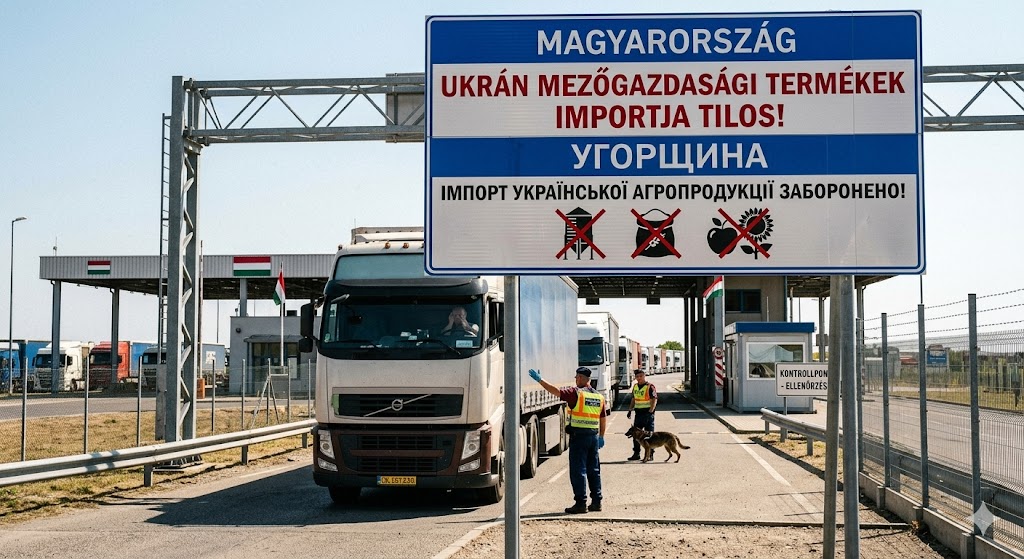
Hungary is imposing a ban on imports of a significant portion of agricultural products from Ukraine. The country’s government has adopted the relevant decision, as announced by Hungarian Prime Minister Péter Magyar, according to "Komersant Ukrainian"
Budapest explains the restrictions as necessary to protect the domestic market and local producers from the pressure of cheaper imports.
According to Euractiv, the new Hungarian government first mistakenly allowed the ban on Ukrainian agri-food imports to be lifted, then announced its intention to quickly reinstate it, dashing Kyiv’s short-term hopes of easing trade restrictions.
As a Hungarian government spokesperson explained to the publication, the restrictions were lifted due to a procedural oversight.
“The sanctions were lifted due to a legislative error,” the government spokesperson told Euractiv.
According to him, Prime Minister Péter Magyar’s cabinet has already taken “urgent measures” to quickly reinstate the ban.
Hungary’s unilateral ban on imports of Ukrainian agricultural products was introduced by Viktor Orbán’s government as part of a package of so-called emergency laws. Their validity expired on May 14.
The new parliament was supposed to review nearly 1,000 decrees to prevent their automatic expiration. However, the ban on imports of Ukrainian agricultural products, according to the government spokesperson, was accidentally “overlooked.”
Amid pressure from farmers, Hungarian Agriculture Minister Szabolcs Bona accused the previous Orbán government of leaving the country in a state of legal uncertainty.
“Although they have been loudly proclaiming their protection of farmers for years, they failed to ensure that the rules restricting imports of Ukrainian agricultural products remained protected and lawful,” Bona wrote on social media.
He also stated that the Tisa Party government would not allow Ukrainian imports to “threaten the well-being” of local farmers.
The new government’s rhetoric has hardly changed
Despite the change in power in Hungary, Budapest’s stance on Ukrainian agricultural products has effectively remained hardline.
Euractiv notes that the rhetoric of Péter Magyar’s new government is almost indistinguishable from that of Viktor Orbán’s government, even though Magyar’s “Tisza” party belongs to the predominantly pro-Ukrainian center-right family of the European People’s Party.
What exactly has Hungary banned?
The Hungarian government’s decree imposes a ban on the import of a range of agricultural goods from Ukraine. The list includes grains and oilseeds, as well as livestock products, vegetables, honey, flour, oil, and other goods.
In particular, the following may be subject to the ban:
- beef;
- pork;
- lamb and goat meat;
- poultry meat;
- eggs;
- honey;
- vegetables;
- wheat;
- rye;
- barley;
- corn;
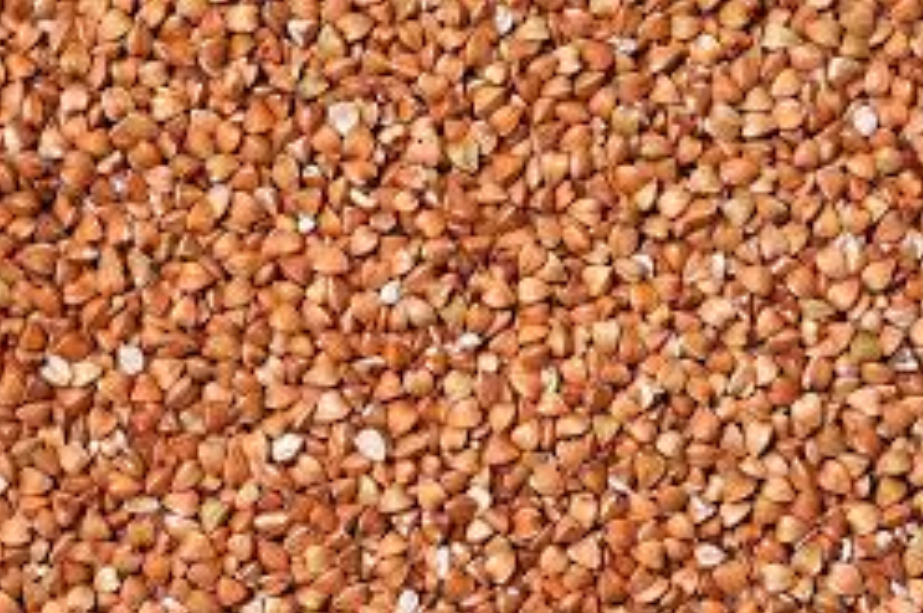
- buckwheat;
- flour;
- sunflower seeds;
- oil;
- wine.
Is the transit of Ukrainian goods permitted?
The ban applies specifically to imports into Hungary’s domestic market. The transit of Ukrainian agricultural products through the country’s territory to other countries remains permitted, but under strict control.
According to the Hungarian publication Telex, in the event of a violation of the rules, the carrier may be fined up to 100% of the value of the goods excluding VAT.
Budapest explains this approach as a desire to prevent a situation where goods declared as transit actually remain on the Hungarian market.
Watch us on YouTube: important topics – without censorship
Why Hungary imposed restrictions
Budapest claims that Ukrainian agricultural products are putting pressure on local producers and affecting domestic prices. Hungarian authorities have repeatedly asserted that cheaper imports from Ukraine are worsening the situation for farmers in Central and Eastern European countries.
Hungary put forward similar arguments back in 2023, when, together with Poland and Slovakia, it extended unilateral restrictions on the import of Ukrainian goods despite the European Commission’s decision to lift the temporary ban.
At the time, Ukraine announced its intention to challenge these actions, and Ukraine’s Trade Representative Taras Kachka reported on a lawsuit against Poland, Hungary, and Slovakia.
How the conflict over Ukrainian agricultural exports began
After Russia launched a full-scale war against Ukraine, the European Union lifted tariffs and quotas on Ukrainian exports to help Kyiv ship grain and other products that had been blocked due to Russian aggression.
However, due to complex and costly logistics, some Ukrainian grain and other agricultural products began to flood the markets of neighboring EU countries—specifically Poland, Hungary, Romania, and Slovakia. Local farmers reported falling prices and losses.
In 2023, the European Commission allowed several neighboring countries to temporarily restrict imports of certain Ukrainian crops. Brussels later lifted these restrictions, but Hungary, Poland, and Slovakia maintained their own national bans.
Which goods had Hungary previously restricted?
In April 2023, Hungary announced a temporary ban on imports of agricultural products from Ukraine. Initially, the ban applied to grains and oilseeds, but the list was later expanded.
The restrictions applied to:
- wheat;
- corn;
- rapeseed;
- sunflower seeds;
- flour;
- oil;
- honey;
- eggs;
- poultry;
- other types of meat.
Hungary emphasized that the transit of Ukrainian products to other countries is permitted but must be strictly monitored.
Why the decision is important for Ukraine
Ukrainian agricultural exports are one of the key sources of foreign exchange earnings for the state. Any restrictions in the markets of neighboring EU countries create additional pressure on logistics, producers, and traders.
For Ukraine, this means:
- reduced opportunities to sell some of its products;
- dependence on transit routes;
- the risk of new trade disputes with neighboring countries;
- additional logistics costs;
- an increased role for negotiations with the EU regarding trade terms.
At the same time, transit through Hungary remains important, as some Ukrainian goods pass through the country’s territory to other EU member states or third countries.
What else has the Hungarian government decided?
In addition to agricultural restrictions, Péter Magyar’s government also announced the withdrawal of Hungary’s intention to withdraw from the International Criminal Court. This decision has political significance, as Budapest’s previous stance on the ICC drew criticism from its partners.
The combination of these two decisions shows that the new government is attempting to simultaneously revise some of its predecessors’ foreign policy moves while maintaining a hard line on protecting Hungarian farmers.
Read us on Telegram: important topics – without censorship