Trump has changed the rules for foreigners applying for a green card: what we know
22 May 23:33
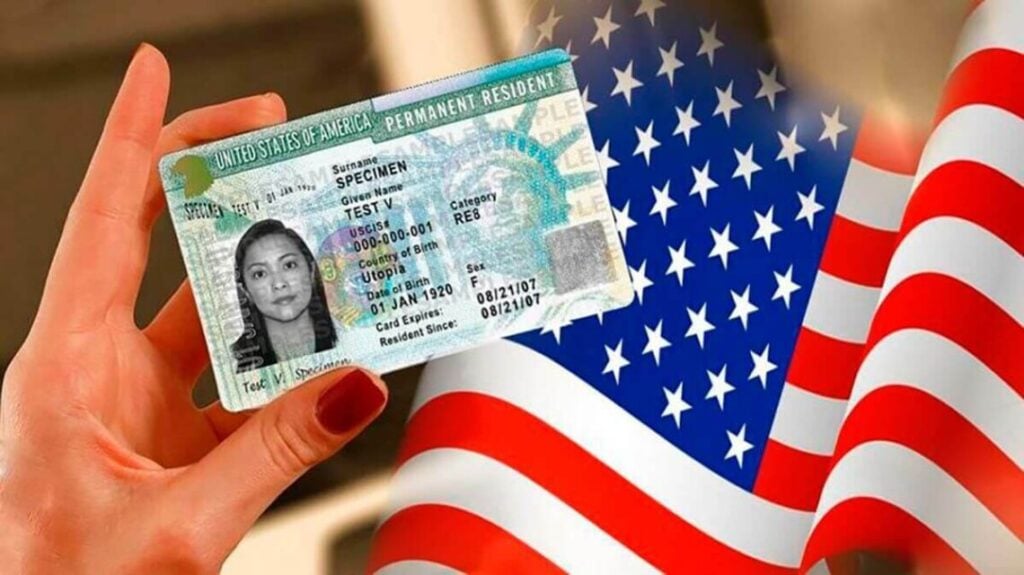
The administration of U.S. President Donald Trump has changed the rules for foreigners seeking to obtain a green card and permanent residency in the United States. This was reported by Reuters, Bloomberg, and The Wall Street Journal, citing a new policy from U.S. Citizenship and Immigration Services ( USCIS), according to "Komersant Ukrainian"
From now on, many applicants currently in the U.S. on temporary non-immigrant visas may be required to return to their home countries and apply for a green card through U.S. consulates abroad.
According to Reuters, USCIS announced a change stipulating that foreigners currently in the U.S. who wish to change their status to permanent residency must apply through the State Department outside the country.
Who is affected by the new rules
The new rules may apply to foreign nationals who entered the U.S. on temporary nonimmigrant visas.
This includes, in particular:
- students;
- H-1B visa holders;
- L visa holders;
- temporary visitors;
- other non-citizens who are in the U.S. as non-permanent residents.
According to The Wall Street Journal, the new policy could affect a wide range of applicants—from skilled foreign workers to spouses of U.S. citizens—unless they can prove the existence of “extraordinary circumstances.”
What is changing in the green card application process
Previously, many foreigners could apply to change their status within the U.S. This procedure is called adjustment of status —changing one’s status without leaving the country.
Now, the Trump administration is pushing a different approach: applicants must go through the process at U.S. consulates abroad.
This means that a person may need to leave the U.S., go through the consular process, and only after approval return as a permanent resident.
Why the Trump administration changed the rules
USCIS explains the change as a desire to align the immigration system with legal standards, reduce incentives to exploit loopholes, and allocate resources more effectively for processing other immigration cases.
This is part of the Trump administration’s broader policy to tighten immigration controls. According to Reuters, the administration had previously shortened the validity periods of certain student visas and revoked more than 100,000 visas after Trump returned to power.
Will there be exceptions?
The USCIS memo provides for exceptions, but they are to be applied on a case-by-case basis and only under extraordinary circumstances.
According to media reports, decisions on exceptions will be made on a case-by-case basis.
This means that not all applicants will automatically be able to remain in the U.S. while their applications are being processed.
Watch us on YouTube: important topics – without censorship
How many people might be affected by the change
The U.S. issues about 1 million green cards each year. Roughly half of these go to foreign relatives sponsored by U.S. citizens. Such applications were often processed outside the U.S. through consulates in the past.
However, immigration law experts warn that the new policy could affect hundreds of thousands of people a year and further reduce legal immigration.
What risks do lawyers and advocates see?
Critics of the new policy believe it could create serious problems for applicants and employers.
Among the risks cited are:
- longer wait times due to consulate backlogs;
- family separation;
- disruptions in the operations of companies that rely on skilled foreign workers;
- the loss of the ability to effectively appeal denials if decisions are made abroad;
- risks for vulnerable applicants who may fear returning to their home countries.
Reuters notes that human rights organizations, including HIAS, are criticizing the change because it could endanger vulnerable people, including victims of human trafficking and children who have survived abuse.
Why this matters for H-1B visa holders
The change could be particularly sensitive for professionals working in the U.S. on H-1B visas. Many of them have worked for years at American companies and applied for green cards without leaving the U.S.
If they now have to go through the consular process abroad, this could create additional risks for the workers themselves and for employers who depend on their presence in the country.
The Wall Street Journal notes that companies that rely on skilled foreign workers may feel the impact of this change particularly acutely.
What this means for students
The new rules may also affect international students who wish to remain in the U.S. after graduation to find employment, change their immigration status, and eventually obtain permanent residency.
If applying from within the country becomes less accessible, students will have to plan more carefully regarding their status, visa deadlines, post-graduation employment, and possible travel for consular processing.
Read us on Telegram: important topics – without censorship