Due to rising demand: Europe’s heat wave has driven electricity prices to new highs
28 June 12:14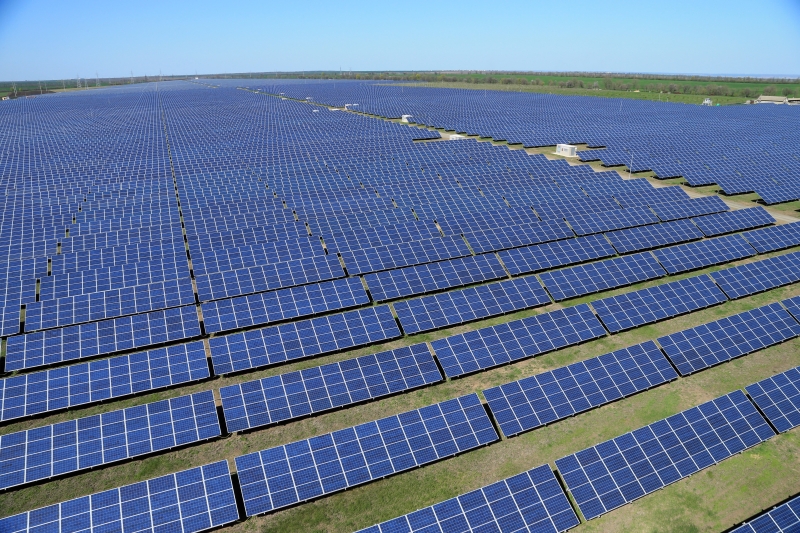
The heat wave has led to a sharp rise in electricity prices on European markets, as millions of people use air conditioners and electric fans to cope with record-high temperatures, which have also caused a series of power plant outages across the continent. This is reported by "Komersant Ukrainian", citing The Guardian.
Recently, the United Kingdom imported electricity from Europe at a price more than six times higher than usual, as a high-pressure heat dome slowed wind speeds, impacted renewable energy production, and caused disruptions at several gas-fired power plants across the country.
The heat wave has slowed down wind power generation on the continent and reduced output at some nuclear power plants in France, where high river water temperatures are making it difficult to cool the reactors.
The combination of rising electricity demand and falling production across Europe has driven market prices to multi-year highs.
The UK’s energy system operator recently paid around 470 pounds per megawatt-hour to secure electricity imports to meet the country’s peak electricity demand.
These prices are more than six times higher than the market price for electricity in June of last year, which averaged about 71 pounds per megawatt-hour.
In France, where temperatures are reaching 43°C (109°F) this week, the price of electricity has risen to over 268 euros/MWh, the highest level since August 2023.
Shivam Malhotra, head of electricity trading at the consulting firm LCP Delta, said that a series of unplanned outages at British gas-fired power plants—which typically struggle to cope with extreme temperatures, “is not unusual.”
Five gas-fired power plants reported that they would have to cut back on production due to “environmental” conditions, reducing the UK’s gas-fired capacity by approximately 2.5 gigawatts—enough electricity to power 2.5 million British homes. According to Malhotra, capacity losses are about 40% higher than before the heatwave began.
Solar power plants typically generate less energy at very high temperatures, as rising panel temperatures reduce efficiency. But clear skies over most of the UK helped offset these losses, maintaining stable solar power generation at around 14 GW, or 35% of the UK’s total generation.
Meanwhile, wind power generation fell due to a high-pressure system that slowed wind speeds and is expected to set a new record for June temperatures in the UK.
Households are also expected to play a role in helping the UK’s energy system cope with the heat wave by by reducing energy consumption to save about 115 megawatts of electricity during peak hours through a scheme that pays users to reduce their demand.
Watch us on YouTube: important topics – without censorship