After imposing a ban, the EU has once again allowed the import of sable fur from Russia
27 July 21:52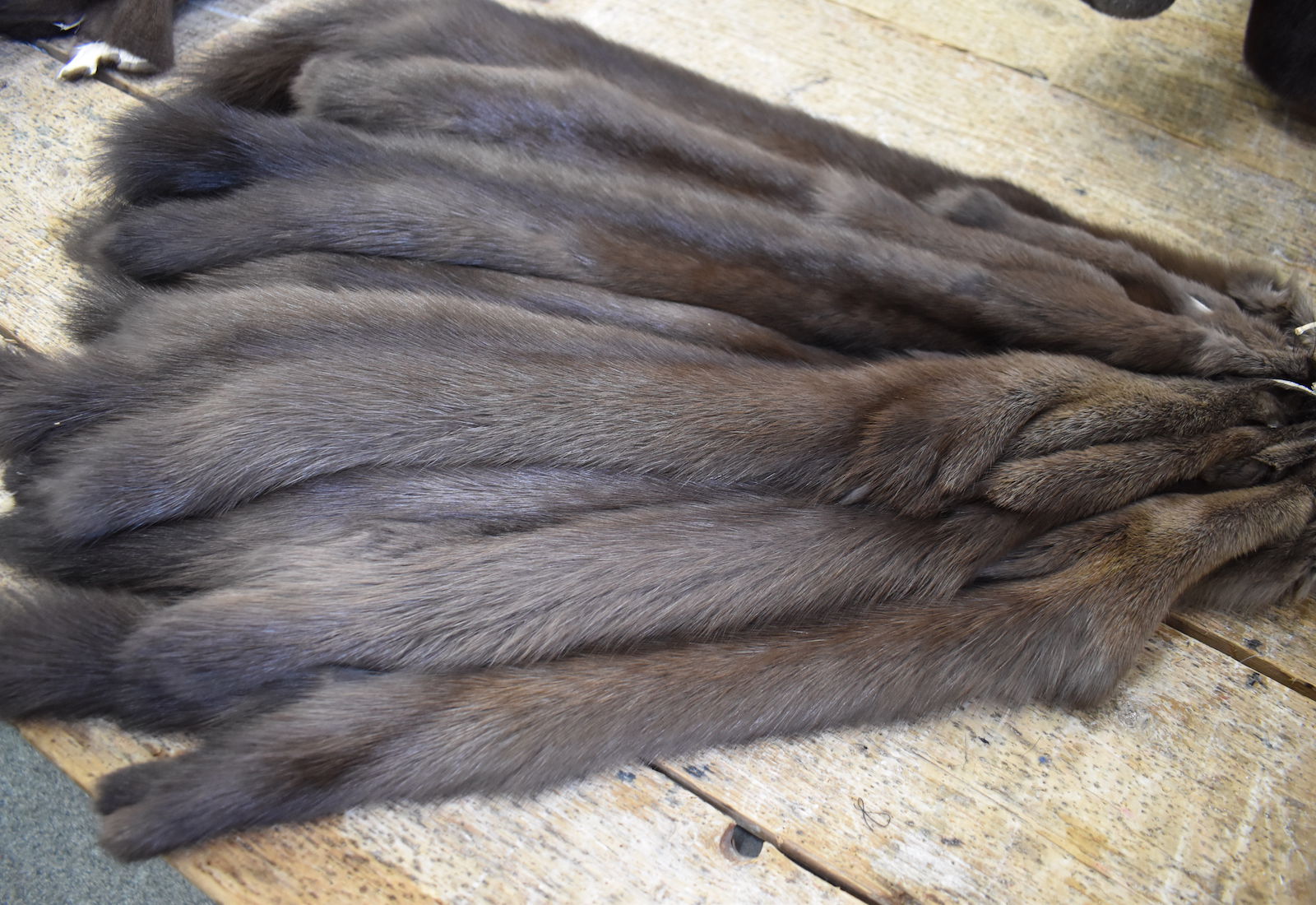
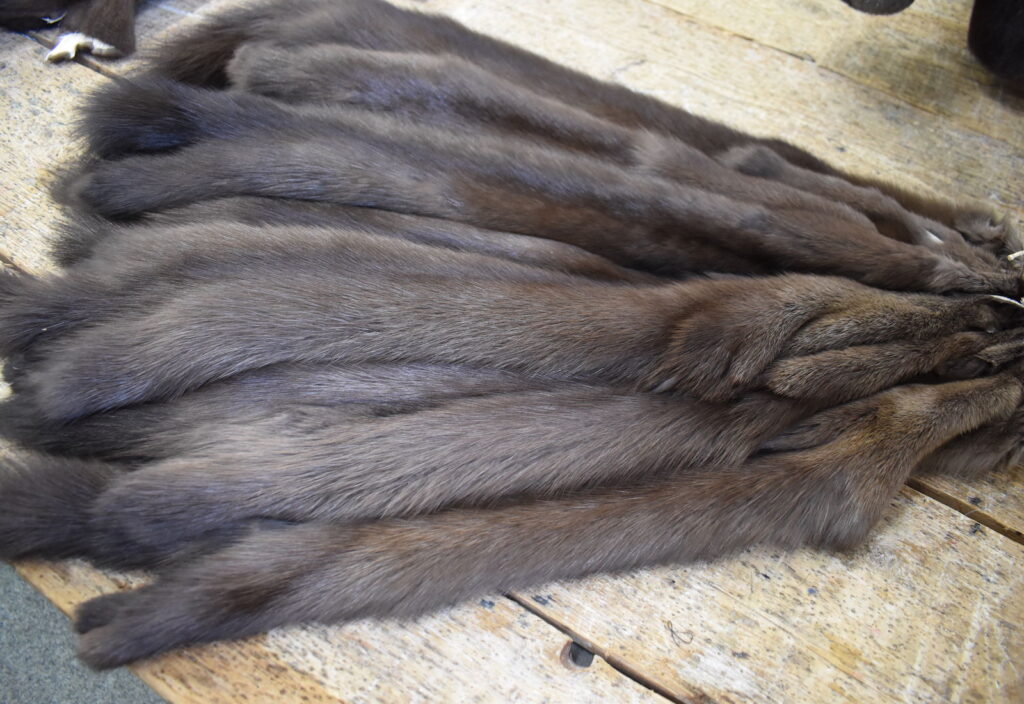
The European Union has removed Russian sable pelts from the list of goods banned from import into EU countries. The restrictions were lifted as part of the 21st sanctions package, even though they had only been introduced in April 2026, the Euractiv portal reported, citing an unnamed senior EU official. Italy and Greece—the two largest importers of such pelts into the EU—had been pushing for the ban to be lifted, the diplomat clarified, as reported by "Komersant Ukrainian".
Watch us on YouTube: important topics – without censorship
The European Commission explained this decision by citing Russia’s dominant position in the global sable fur market, noting that European manufacturers have virtually no alternative suppliers.
“The world’s most expensive fur, used to make coats that can cost six-figure sums, was briefly subject to EU sanctions against Russia. Now, however, it has been granted a reprieve,” the article states.
As DW notes, finished sable fur products—primarily fur coats—are still banned from import into the EU from Russia under sanctions on luxury goods. Sables inhabit the forests of Northern Asia. Its exceptionally soft fur has long been in demand among leading fashion houses in Europe. Outerwear made from Russian sable fur can sell for tens or even hundreds of thousands of euros. According to media reports, in 2024, the most expensive sable fur item in Russia was purchased for 34 million rubles.
The 21st package may be the last of its kind
The European Union’s 21st package of sanctions against Russia for its war against Ukraine took effect on July 23 and marked the largest expansion of restrictions imposed on individuals in the past four years. Its adoption was delayed because Greece demanded exemptions for its shipping company. At the same time, Greece also secured the ability to continue transporting Russian liquefied natural gas (LNG) to third countries. In addition, the EU rejected the proposed restrictions on Russian fish following objections from several member states.
According to the Financial Times, this sanctions package may be the last of its kind. To avoid a veto by a number of countries, Europe is considering a new approach to the process of adopting restrictions against Russia. It is expected that EU countries will coordinate and impose sanctions in small groups or even individually.
Amid the lifting of sanctions on Russian sable, the European Commission is exploring the possibility of banning the breeding of animals for their fur: such fur farms are still operating in Greece, Spain, Hungary, Finland, and Poland.
Read us on Telegram: important topics – without censorship