The Myth of “Civilian Targets”: How Wildberries Became the Lifeline of the Russian Front
27 July 16:13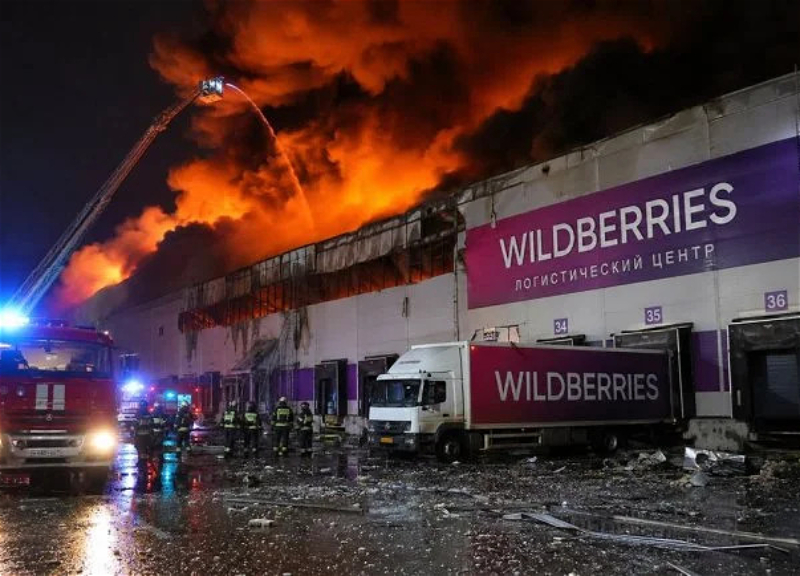 ANALYSIS
Ukraine is steadily rolling out a new phase of its strategic air campaign, delivering systematic strikes deep into the Russian Federation’s rear. According to President Volodymyr Zelenskyy, Ukrainian long-range forces have struck targets in the Rostov Oblast (an export terminal, ~250 km from the front line), and also hit targets in the Yaroslavl region and Udmurtia—about 1,300 km from the border. However, the attacks on key logistics hubs of Russia’s largest marketplace, Wildberries, garnered particular attention. Why did a retailer—which at first glance appears to be civilian—end up on the list of priority targets for Ukraine’s defense forces? Where does Russian business’s patience end, and what lies ahead for the fall mobilization in Russia? Find out in this article "Komersant Ukrainian".
Why have civilian hubs become legitimate military targets?
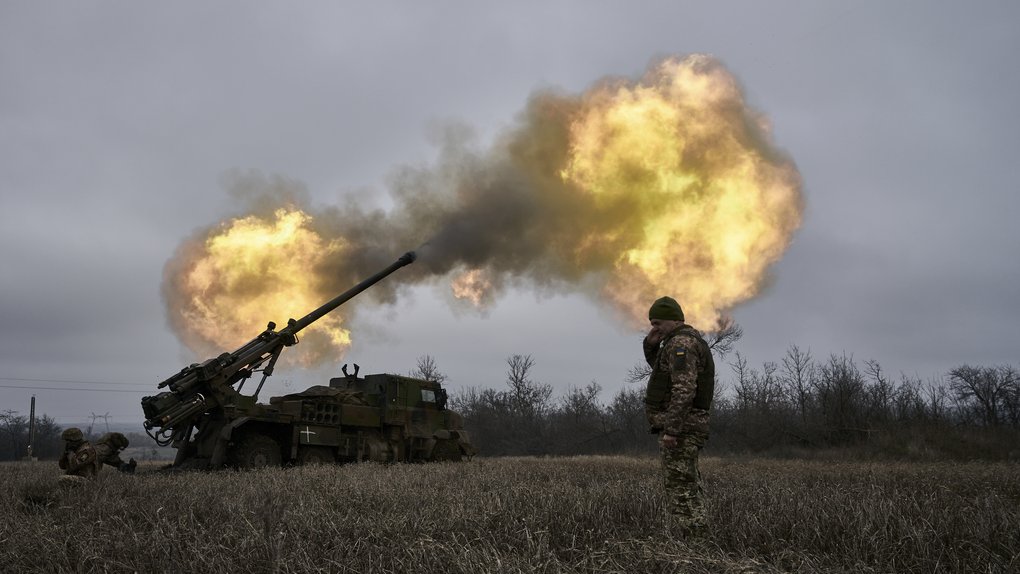
On the surface, an attack on an online retailer’s warehouses may seem unusual, especially to a Western or Israeli observer, where military supply is strictly monopolized by the state, explains Grigory Tamar, a military analyst, historian, and reserve officer in the IDF. However, the unique nature of the current Russian-Ukrainian war lies in the fact that the Kremlin has shifted a significant portion of its logistics to volunteer, paramilitary, and civilian structures.
It is through the logistics hubs of these marketplaces that the flow of components, spare parts, and equipment for the front lines passes. This makes them an integral part of the war machine.
“Consequently, these logistics hubs are no longer purely civilian infrastructure systems. They are already taking on a military character. Therefore, only those people or organizations with an extremely superficial understanding of the nature of combat operations can afford to level accusations against Ukraine of committing war crimes,” Tamar emphasizes.
Impact on Society and the Risk of Market Paralysis
In addition to the direct military-technical impact, systematic strikes on logistics hubs such as Wildberries deal a devastating blow to socioeconomic stability within Russia. According to Grigory Tamar, this air operation targets the most vulnerable points of the Russian rear.
“It is precisely those economically active segments of the population—who constitute what remains of Russia’s middle class—that are suffering as a result. Of course, these people are crying out in protest, because such attacks have a devastating effect on their well-being. Naturally, this is beginning to shake the foundations of Russian society,” the expert emphasizes.
Despite the Russian authorities’ frantic attempts to conceal the scale of the losses and their pressure on warehouse workers, the information dam has burst. Employees are openly citing the amounts of damage, and so-called “Z-war correspondents” are spreading panic that the Kremlin is finding increasingly difficult to control.
“We’re talking now about approximately 8–10% of these facilities being put out of commission or destroyed. If the intensity of the strikes increases, this could completely paralyze the Russian domestic market—not only the civilian sector but also the entire military sector: all supplies and equipment,” notes Tamar.
Civilian logistics and military supply chains in Russia are now integrated. Any attempt by the Russian command to redirect forces to save military supplies will deal a final blow to the civilian market, while attempts to save businesses will leave Russian soldiers in the trenches without even basic equipment.
Watch us on YouTube: important topics – without censorship
Panic in Z-publics and “generous” compensation from Wildberries
The Russian authorities’ attempts to conceal the true consequences of the strikes and save face are collapsing in the face of real-life accounts from within Russia. While officials claim to have “successfully destroyed all targets,” enemy sources and Russians themselves paint a completely opposite picture.
The military propaganda Telegram channel “Two Majors” notes yet another strike on logistics with irony and irritation, briefly remarking: “And again, WB.” At the same time, the press service of the joint venture between Wildberries and Russ (RWB) was forced to urgently suspend operations and evacuate staff. This comes immediately after Udmurtia’s head, Brechalov, reported on the alleged “successful repulsion of a massive UAV attack.”
While the Kremlin tries to reassure the public about stability, Russian entrepreneurs (sellers) are already tallying the colossal losses that are destroying their businesses. The reaction of one of the affected Russian women, whose merchandise burned down along with the logistics complex, is telling.
“Wildberries paid compensation to sellers. For lost inventory worth 500,000 rubles—2,000 rubles in compensation. That’s fine. But the goods were worth more than half a million,” laments the affected Russian citizen.
Disruption of the Kremlin’s Fall Mobilization
The most important strategic aspect of the strikes, which reached a depth of 1,300 km, is the systematic destruction of Russia’s military infrastructure on the eve of a new wave of conscription. Moscow can pass as many laws as it wants, but without logistics, mobilization turns into chaos.
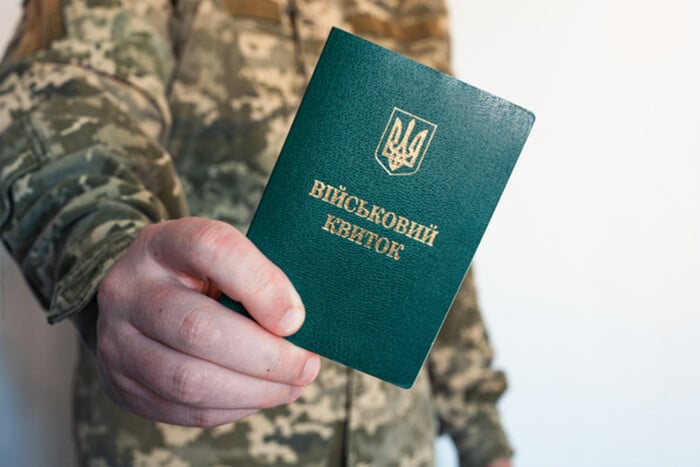
“If we’re talking about the fact that Russia has, in essence, already begun mobilization—and by that I don’t mean at the level of a law that would allow them to round up people and throw them onto the front lines, but at the level of preparing the military infrastructure—then this simply derails it. I think one of the objectives of the Ukrainian strikes is to disrupt the mobilization scheduled for the fall, which Russia plans to carry out,” emphasizes Hryhoriy Tamar.
According to the analyst, it is physically impossible to carry out a large-scale mobilization without functioning logistics. The Kremlin’s attempts to shift the burden of supplying the army onto civilian hubs run up against the “communicating vessels” principle: the destruction of warehouses simultaneously cripples both the civilian market and the training of recruits.
“Retaliatory Strikes”: Does the Kremlin Have Any Trumps Up Its Sleeve?
Traditionally, after such stinging defeats, Russian propagandists begin hysterically demanding “retaliatory strikes.” However, according to the expert, Moscow has long since used everything it had against Ukraine and is unable to demonstrate anything new.
“I don’t think Russia can demonstrate anything new. Russia has already carried out the most barbaric strikes against purely civilian targets hundreds, if not thousands, of times… So what can Russia do? Another strike, ten more strikes? But that won’t force Ukraine to surrender or agree to negotiations favorable to the Kremlin,” Tamar emphasizes.
In four years of full-scale invasion, Moscow has still failed to break Ukrainian resistance. Meanwhile, the systematic destruction of Russian rear areas is depriving the enemy of its main advantage—the ability to endlessly accumulate and supply resources to the front lines.
Read us on Telegram: important topics – without censorship