Russia has destroyed all gas stations along the route from Kharkiv to Poltava, according to a regional council member
27 July 15:39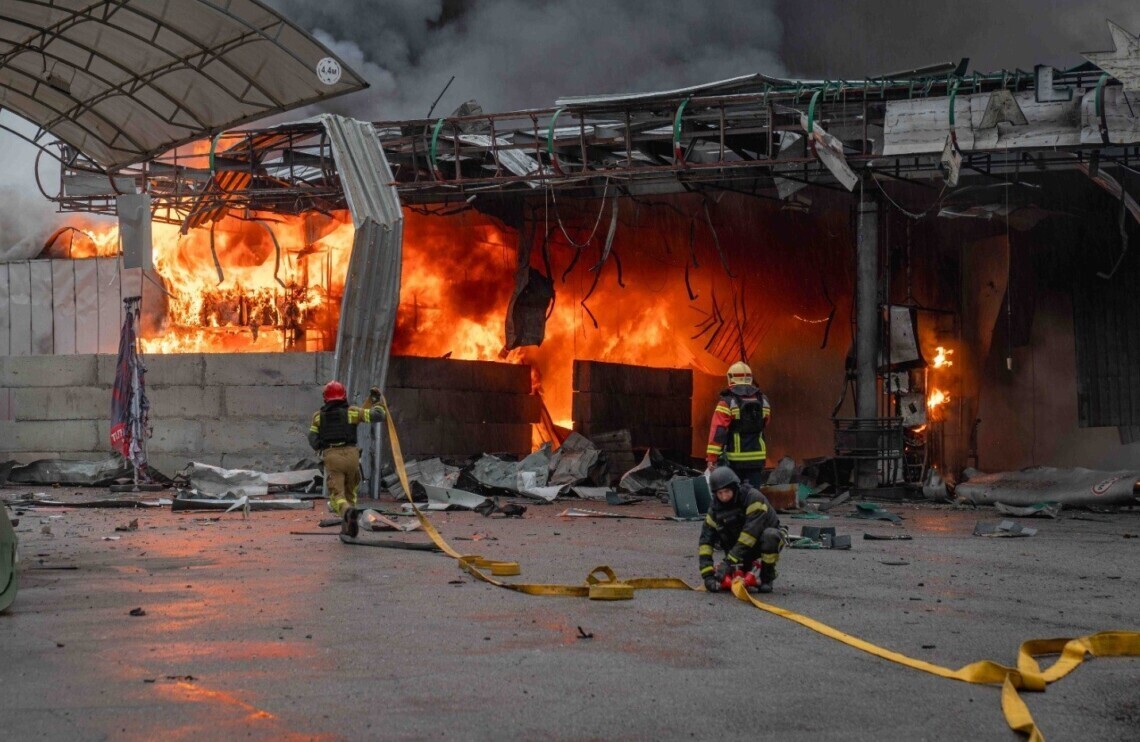
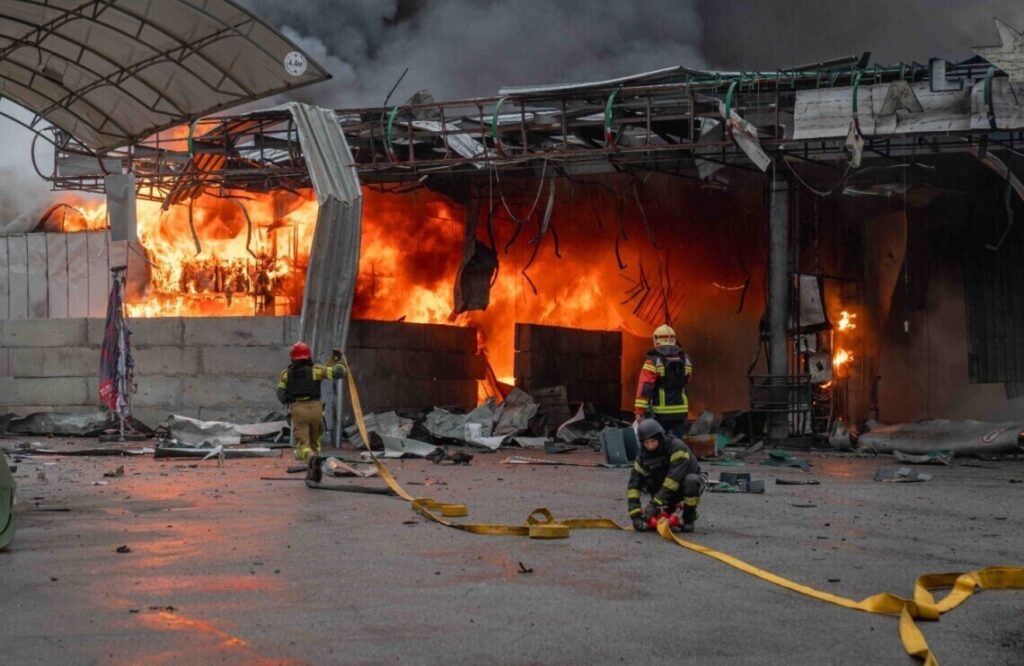
More than 80 gas stations have been destroyed in the Kharkiv region, and the Kharkiv–Poltava route is now without a single operating gas station. This was reported by Oleksandr Skoryk, a deputy of the Kharkiv Regional Council, during an appearance on Espreso.TV, according to "Komersant Ukrainian".
The situation with gas stations in the Kharkiv region is deteriorating. According to Skoryk, the biggest problems have arisen on the Kharkiv–Kyiv highway, particularly on the stretch between Kharkiv and Poltava.
“As of today, all gas stations on the Kharkiv–Kyiv highway—specifically on the stretch from Kharkiv to Poltava—have been completely destroyed: in the village of Valky, in the town of Chutove, and further along the road to Poltava,” he said.
The MP urged drivers planning to take this route to stock up on fuel in advance, as there are virtually no opportunities to refuel along this stretch.
“The last gas station that was still operating in the village of Valky was destroyed on July 26,” Skoryk noted.
At the same time, he emphasized that, despite the widespread destruction of fuel infrastructure, there is currently no fuel or food crisis.
“More than 200 gas stations have been destroyed in Ukraine, including over 80 in Kharkiv and the Kharkiv region. But there is no crisis. We are living, fighting, and waging war,” he concluded.
Watch us on YouTube: important topics – without censorship
Occupiers Have Intensified Attacks on Gas Stations
As a reminder, since early July, Russia has intensified its attacks on gas station networks. The occupiers have struck gas stations in several regions of Ukraine. Facilities belonging to the SOCAR, OKKO, WOG, “BRSM,” BVS, and Marshal networks in the Poltava, Kharkiv, Mykolaiv, and Zaporizhzhia regions, as well as in Kharkiv, have come under fire.
In late June, WOG CEO Andriy Pyvovarskyi noted that over the past two months, more than 150 gas stations in Ukraine had been destroyed by Russian strikes.
Starting July 1, Ukraine introduced special operating procedures for some gas stations—the WOG network made this decision for safety reasons in frontline and border regions.
Oleksandr Melnychuk, Marketing Director of BRSM-Nafta, believes that Russian strikes on civilian gas stations will not lead to a fuel shortage. According to him, military vehicles do not use civilian gas stations, and the fuel market has alternative logistics routes and tools to supply consumers. If a gas station is damaged, fuel can be dispensed directly from tanker trucks. Operators also rely on wholesale deliveries, mobile dispensing points, and the redistribution of resources between regions.
As a reminder, intelligence reports recently indicated that the Russian command has ordered its units to intensify drone strikes on civilian infrastructure and transportation in frontline and border areas of Ukraine. Gas stations, trucks, buses, and passenger cars could be targeted.
Read us on Telegram: important topics – without censorship