Iran Closes the Strait of Hormuz Again: What We Know
18 April 12:17
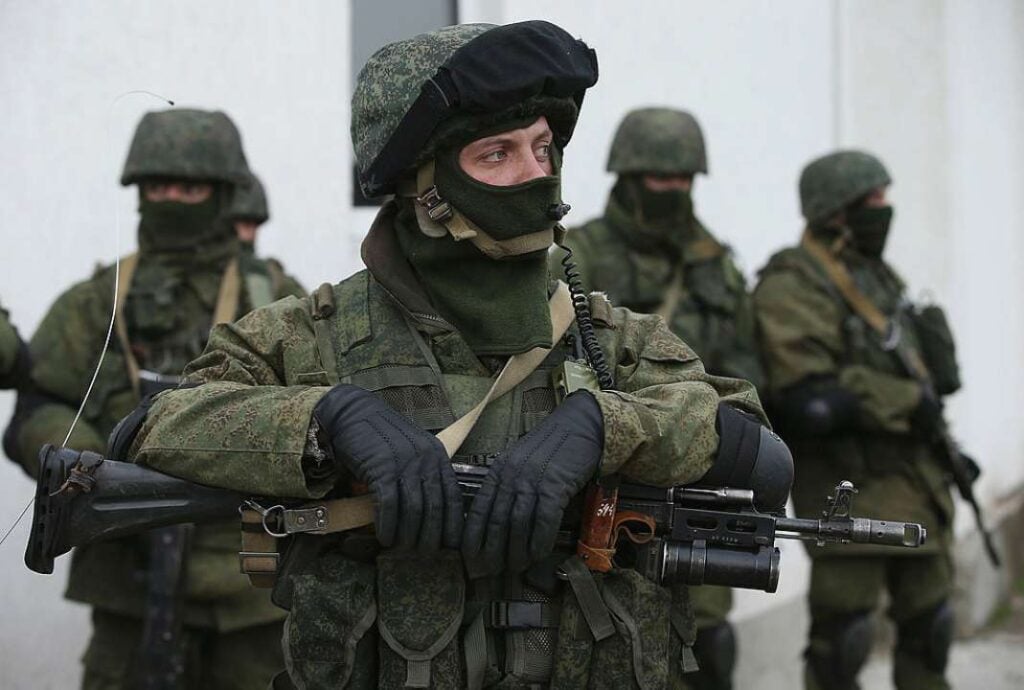
Iran has announced that it is reimposing strict control over the Strait of Hormuz, accusing the U.S. of imposing a blockade.
This was announced by the spokesperson for Iran’s Central Command, “Khatam al-Anbia,” as quoted by Fars—an agency linked to the Islamic Revolutionary Guard Corps (IRGC)—according to "Komersant Ukrainian".
Just the day before, on April 17, Iranian Foreign Minister Abbas Araghchi spoke of opening the Strait of Hormuz amid a ceasefire between Israel and Lebanon.
This was also confirmed by U.S. President Donald Trump, who, however, emphasized that the United States’ naval blockade of Iran remains in place and will continue “until our agreement with Iran is 100% fulfilled.”
Iranian military officials say that Iran agreed “in good faith” to allow “controlled passage of a limited number of oil and commercial vessels” through the strait, but that the U.S., they claim, “continues to engage in acts of robbery and piracy under the guise of a so-called blockade.”
Therefore, Tehran has once again closed the Strait of Hormuz—it is currently under the “strict control and supervision of the armed forces” of Iran until the U.S. lifts the blockade on ships traveling to and from Iran.
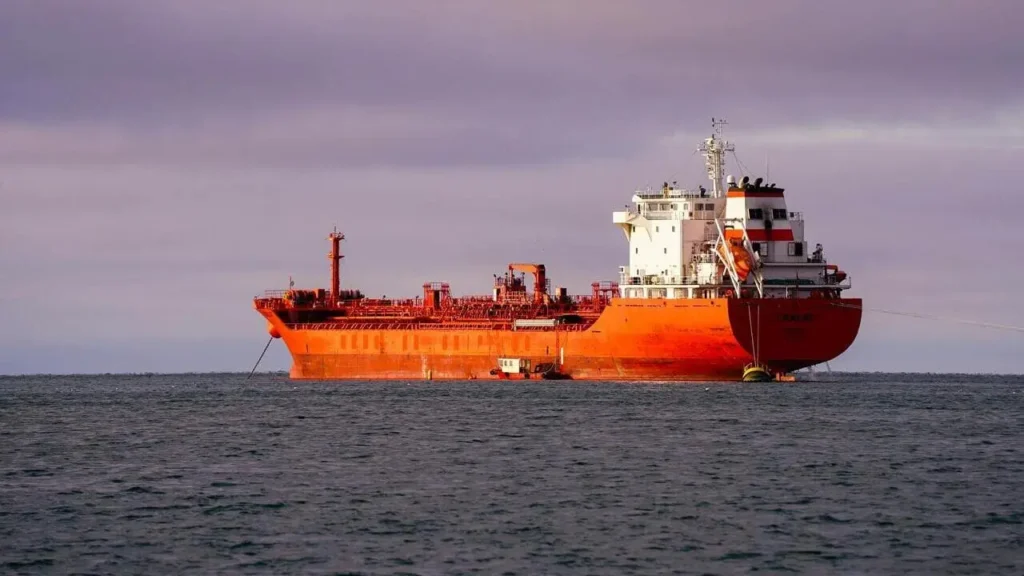
The Strait of Hormuz remains a key route for global oil exports. It connects leading producers in the Persian Gulf—including Saudi Arabia, Iran, Iraq, and the United Arab Emirates—with the Gulf of Oman and the Arabian Sea.
Before the war in the Middle East began, about one-fifth of global oil consumption was transported daily via this route.
What led up to this?
On April 8, representatives from the U.S. and Iran agreed to a two-week ceasefire.
Trump then announced that he had agreed to halt attacks on Iran, as Iran had agreed to the “full, immediate, and safe opening of the Strait of Hormuz.” Although Iranian Foreign Minister Abbas Araghchi announced that passage through the Strait of Hormuz would be possible through coordination with the Iranian Armed Forces and with “due consideration of technical constraints.”
Despite this, Iran stated on the same day that a ceasefire and negotiations with the U.S. were “inappropriate” due to violations of the ceasefire terms. Among these violations, in particular, they cited Israel’s massive attacks on Iran. However, the U.S., for its part, insisted that it “never promised to include Lebanon in the ceasefire.”
Following this, Israeli Prime Minister Benjamin Netanyahu instructed his government to begin direct negotiations with Lebanon as soon as possible.