The European Union is on the verge of a split over restrictions on Chinese influence in the economy
18 April 11:06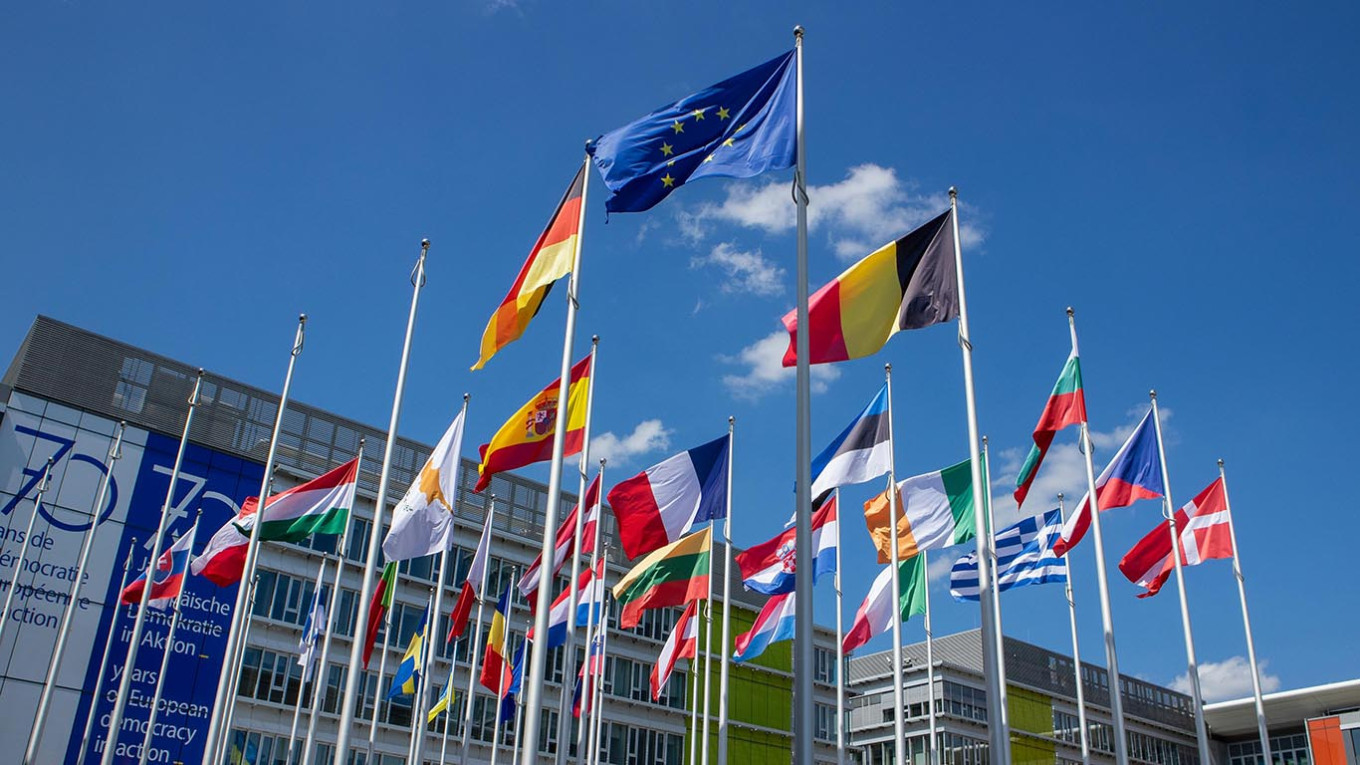
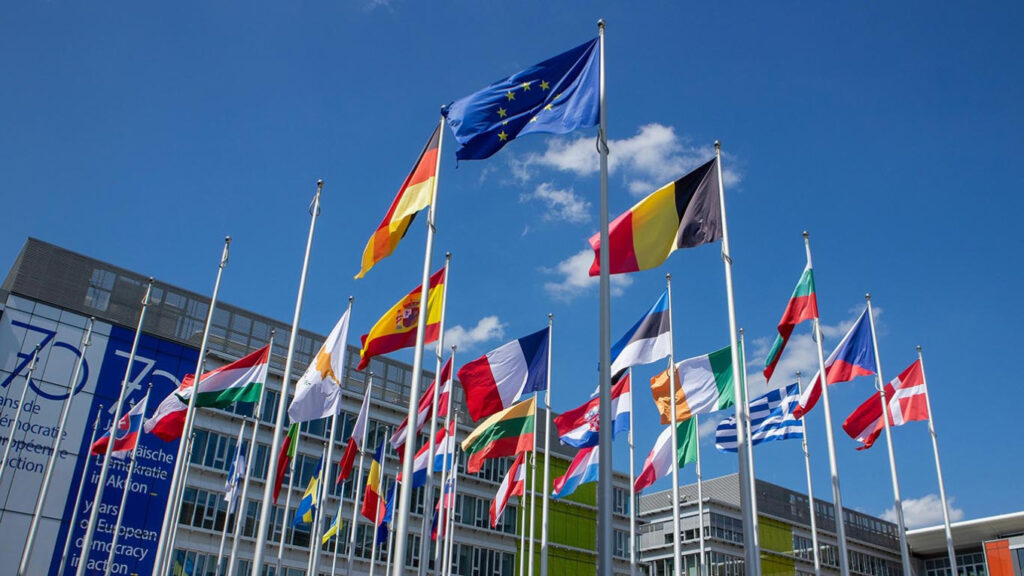
The European Union is seeking to develop a unified strategy to counter China’s growing economic expansion in order to protect its industry and block China’s attempts to increase Europe’s dependence through non-market mechanisms. However, the formation of a “united front” is hampered by disagreements among member states, which prioritize their own national interests, writes Politico, as reported by "Komersant Ukrainian".
One of the areas of China’s offensive is investment in strategically important sectors of the EU economy, which the European Commission is increasingly countering.
For example, in February, the EC made, as the publication notes, its most aggressive attempt to control the influx of Chinese capital by presenting the draft “Industrial Acceleration Act” (IAA)—a master plan for the revival of EU industry. Among other things, it restricts Chinese investments in a number of key sectors. At the same time, some countries, such as Spain and Hungary, have opened their doors to investments and companies from China. For instance, the major Chinese battery manufacturer CATL is investing €4.1 billion in a plant in Zaragoza, Spain, and the automaker Chery is opening its first European plant near Barcelona later this year.
This week, Spanish Prime Minister Pedro Sánchez met with Chinese leader Xi Jinping, and on Tuesday spoke in defense of EU-China relations, describing them as a relationship “based on trust, dialogue, and stability,” and the ultimate goal of a “multipolar order built on respect and pragmatism.”
At the same time, France—which was the main proponent of imposing EU tariffs on electric vehicles from China and subsequently faced Chinese tariffs on its dairy products and cognac—is advocating for a tough stance to protect the EU’s industrial base by taking further trade measures against Beijing.
In addition to investments, China pursues a policy of state subsidies for a number of sectors of its economy, such as automobile manufacturing and wind turbine production. Thanks to this mechanism, Chinese companies have expanded their production scale, gained a dominant position within China, and begun actively capturing markets, particularly in the EU.
There are also disagreements on the China issue within the European Commission itself: European Commissioner for the Internal Market and IAA initiator Stéphane Sajournet acknowledged the need to maintain ties with China.
“We need this. We need foreign investment,” he stated this week.
The EC’s efforts to jointly counter Chinese expansion come amid attempts to strengthen global trade ties and the escalation of tensions with President Donald Trump and his threats of new tariffs against the EU.
Trump also imposed high tariffs on Chinese imports, causing goods intended for the U.S. to flow into Europe. As a result, the EU-China trade deficit exceeded €350 billion in 2025, increasing by nearly 20% year-over-year. This was also influenced by Beijing’s policy of tightening requirements for foreign companies, which restricts access to the Chinese market for European manufacturers of automobiles and chemical products.