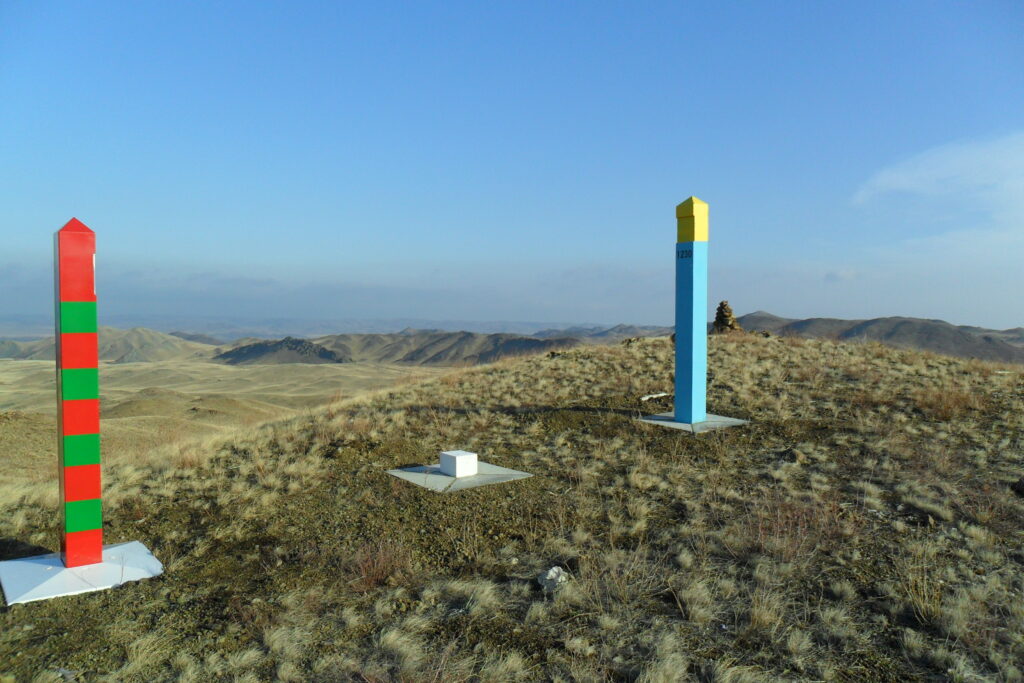
Fuel Smuggling into Russia: Kazakhstan Has Set Up Dozens of Border Posts
9 July 20:41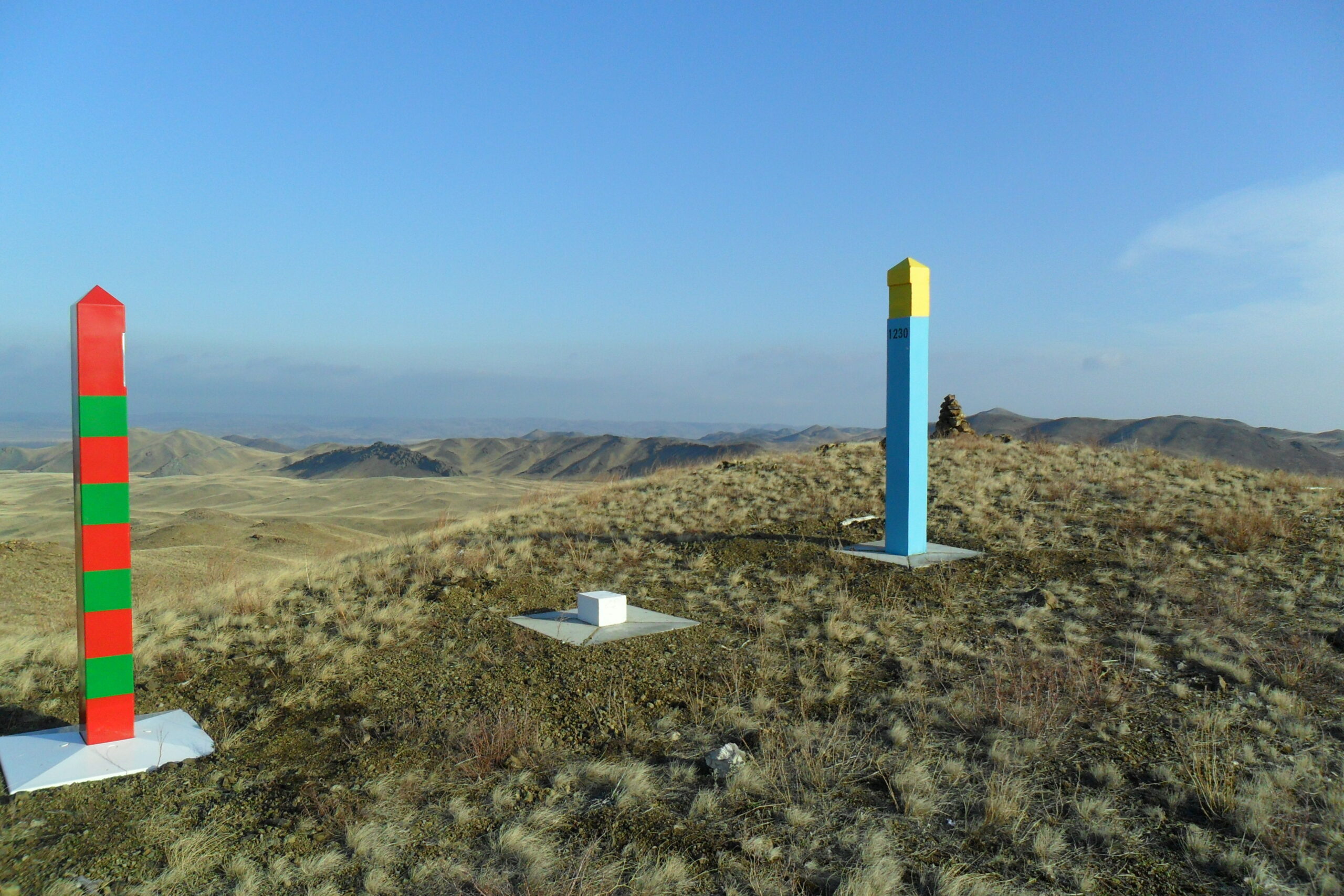
Kazakhstani police have set up 59 checkpoints near road border crossings with Russia to stop the illegal export of fuel and lubricants. The republic’s Ministry of Internal Affairs press service reported this on Thursday, July 9, noting that at these checkpoints, police officers, together with employees of other “relevant government agencies,” are inspecting vehicles crossing the state border. This was reported by "Komersant Ukrainian", citing DW.
The ministry noted that since the beginning of this year, 255 cases have been detected involving vehicles with illegally modified auxiliary fuel tanks, whose owners attempted to illegally export fuel across the border. A total of 195 foreigners and 60 Kazakhstani citizens were held accountable under Article 590 of the Code of Administrative Offenses.
Under this article, driving a vehicle that has been modified without the appropriate permit carries a fine of 15 monthly calculation indices, amounting to 65,000 tenge (approximately 120 euros).
“After the illegally installed additional fuel tanks were removed, the vehicles were returned to their owners,” the agency’s statement said.
Kazakhstan has restricted the entry and exit of vehicles from neighboring countries
In late June, the country’s authorities ordered tighter border controls to prevent fuel shortages. To prevent the illegal export of fuel, Kazakhstan has limited the entry and exit of trucks and passenger vehicles from neighboring countries to once per day.
On July 7, Kazakhstan’s Deputy Minister of Energy, Kayirhan Tutkishbayev, stated that the country’s authorities do not expect a gasoline shortage amid the fuel crisis in Russia. Tutkishbaev did not confirm reports of a possible shipment of 50,000 metric tons of gasoline to Russia as humanitarian aid.
Since late May, amid increasingly frequent Ukrainian attacks on oil refineries and fuel and energy facilities, Russia has faced an acute shortage of gasoline and diesel. Due to the shortage, residents are forced to wait in line for hours at gas stations, and many stations are not operating at all. By early July, the number of regions where some form of fuel sales restrictions were in place had reached nearly 60—including the occupied territories of Ukraine.