New rules effective June 26: It has become more difficult for Ukrainians to load their cards
26 June 07:47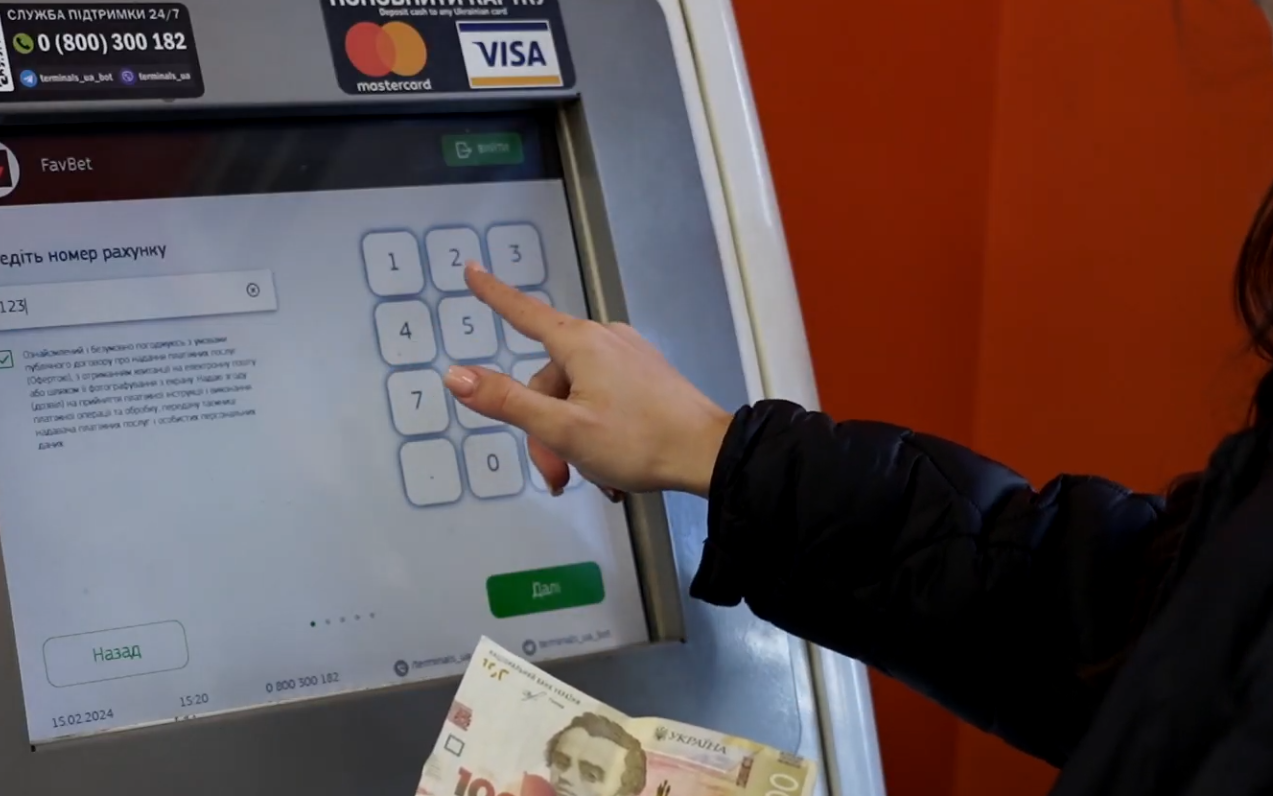
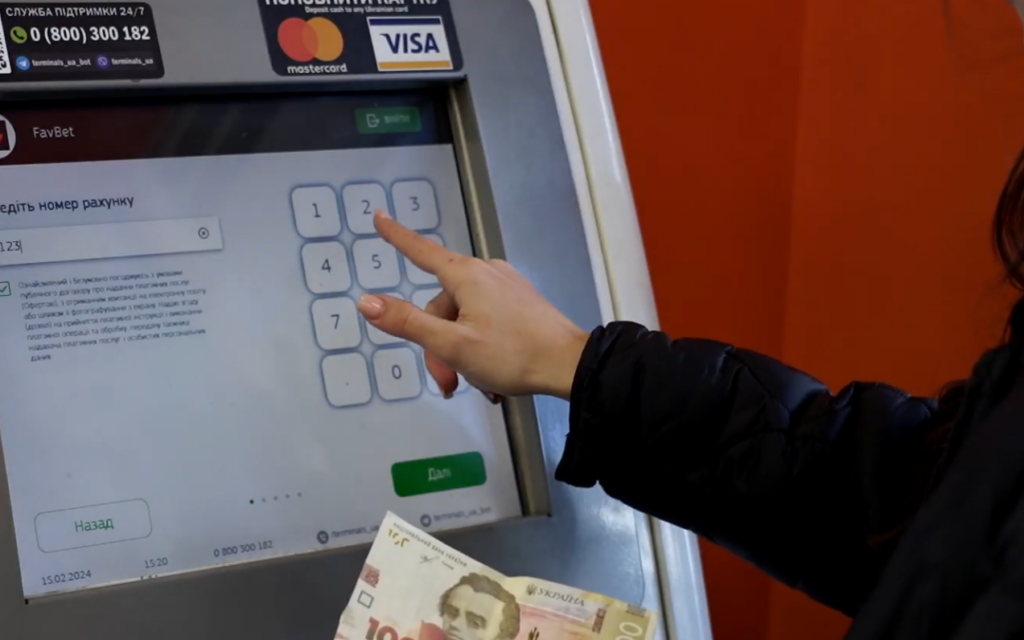
Starting today, June 26, 2026, new rules for depositing cash onto bank cards via payment terminals have gone into effect in Ukraine. It is no longer possible to make such a transfer without identity verification, according to "Komersant Ukrainian"
Before funds are credited, the payer must undergo verification. The most common method is to enter a cell phone number, receive a one-time code or a call, and confirm the transaction.
The new requirements are intended to make cash transfers more transparent and make it more difficult to use payment terminals in fraudulent schemes.
What has changed since June 26
Previously, a person could approach a self-service terminal, enter a bank card number, deposit cash, and complete the transfer without having to confirm a phone number.
From now on, when reloading a card, the terminal must identify the payer.
To complete the transaction, the user may need to:
- Select the bank card top-up service.
- Enter the recipient’s card number.
- Enter their mobile phone number.
- Receive a one-time code or an automated call.
- Enter the code or confirm the transaction in another way.
- Deposit cash and receive a receipt.
Without verification, the transfer to the card may be declined.
What verification methods are available?
The specific procedure depends on the company that operates the payment terminal.
The following can be used to verify your identity:
- an SMS with a one-time code;
- an automated voice call;
- a bank card with NFC technology;
- verification via the bank’s mobile app;
- a QR code;
- the payment service’s official chatbot;
- other authorization methods provided by the operator.
Do I need a passport?
A standard card top-up via a terminal does not necessarily require you to enter passport information.
In most cases, it is sufficient to verify your phone number or complete the electronic authorization process offered by the terminal.
However, for large amounts, the operator may impose additional requirements. For example, the user may be asked to complete enhanced identification via a banking app, “Diyu,” or another digital service.
Limits and available verification methods may vary depending on the bank, terminal operator, and type of payment.
Watch us on YouTube: important topics – without censorship
What Payments Can Be Made Without Confirmation
The new requirements do not mean that you must enter a phone number for every payment made at a terminal.
Certain payments may still be made without additional verification, including:
- payment of taxes and fees;
- payment of administrative fines;
- utility payments;
- purchasing transportation tickets;
- mobile phone top-ups;
- certain payments to government agencies.
The exact list of exceptions may depend on the purpose of the payment and the settings of the specific terminal.
However, if a person is depositing cash directly onto a bank card, they will usually have to go through a verification process.
Does this apply to topping up one’s own card?
Verification is required not only when a person transfers money to another person.
The new rules may also apply when depositing cash onto one’s own bank card via a third-party payment terminal.
The terminal must record who is performing the transaction. The phone number entered does not necessarily have to match the recipient’s card number, unless otherwise specified by the operator’s or bank’s rules.
In other words, you can load a relative’s or friend’s card, but the payment will be linked to the phone number of the person who deposited the cash.
Why was identification introduced?
The main goal of the new requirements is to completely eliminate anonymous cash transfers.
Previously, payment terminals could be used to:
- transferring money to fraudsters’ cards;
- splitting large sums into smaller payments;
- concealing the origin of funds;
- funding front accounts;
- conducting transactions without payer information.
Once verification is implemented, the payment service will store information about the phone number, date, time, and transaction details.
In the event of an investigation, this may help determine exactly who deposited the cash.
Read us on Telegram: important topics – without censorship