The world is on the brink of a major energy crisis: the IEA has issued an alarming statement
21 April 15:01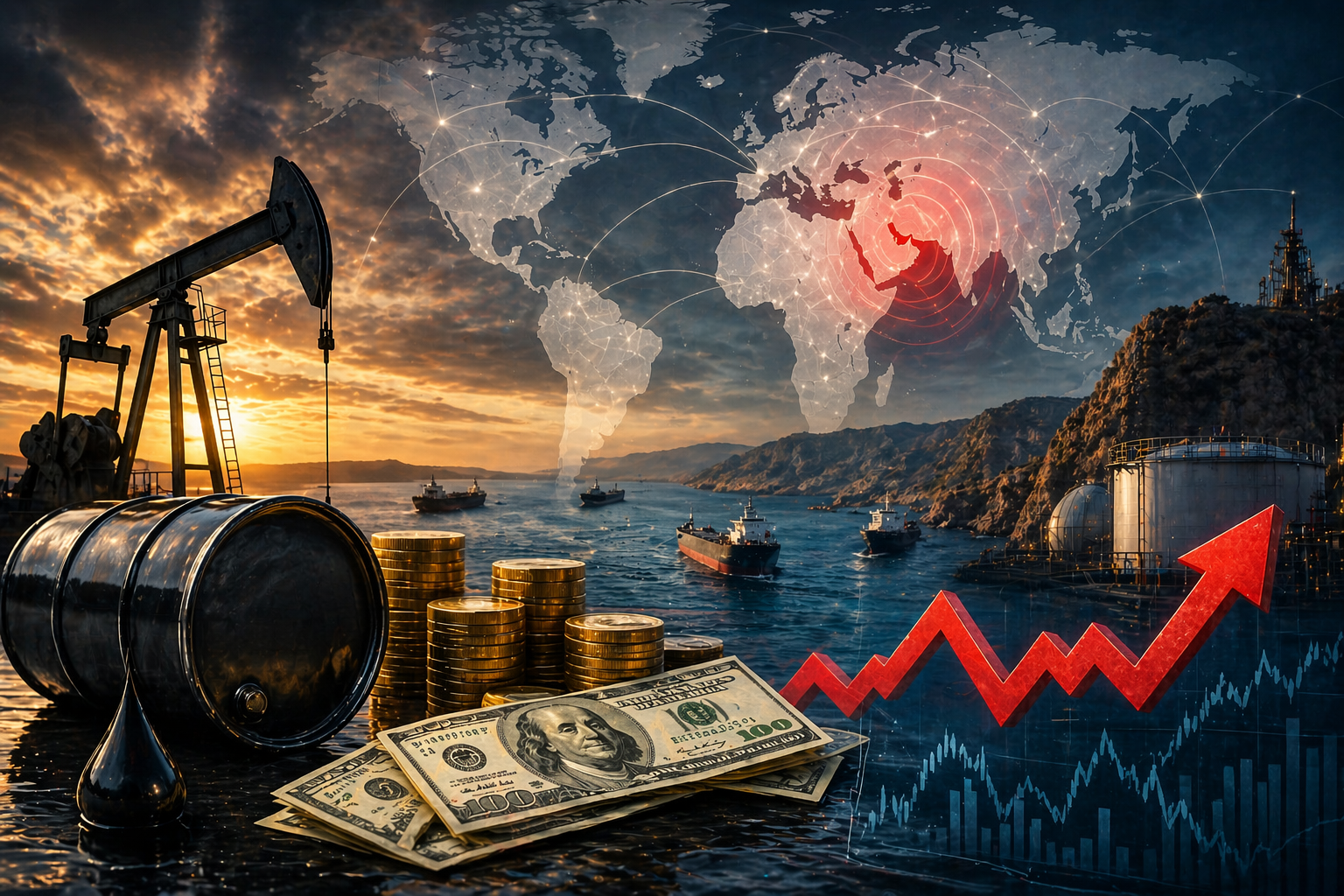
The world is facing an energy crisis that the International Energy Agency has called the worst in history. IEA Executive Director Fatih Birol stated that the consequences of a war between the U.S. and Israel against Iran extend far beyond the oil and gas market and are already threatening the global economy, inflation, and the supply of critical resources. He said this in an interview with France Inter, according to "Komersant Ukrainian"
According to Birol, the current crisis encompasses not only oil and gas, but also fertilizers, petrochemicals, sulfur, and other basic commodities that could face shortages. He warned that this would exacerbate global inflation, particularly in developing countries, and slow economic growth for years to come.
Why the IEA called the current crisis the biggest in history
Fatih Birol believes that the current shock surpasses previous major energy crises because it is simultaneously hitting several critical sectors. This concerns not only fuel but also an entire chain of resources on which industry, the agricultural sector, and logistics depend.
Reuters reports that the IEA has already authorized the release of a record 400 million barrels of oil from strategic reserves to curb price increases.
Birol also emphasized that the fate of billions of people and millions of companies effectively depends on control over the narrow Strait of Hormuz, through which a significant portion of global energy supplies passes. It is this vulnerability, according to his reasoning, that makes the current crisis so dangerous.
Why the Strait of Hormuz Has Become the Epicenter of Global Energy Turbulence
The Strait of Hormuz remains one of the planet’s most critical energy corridors. About 20% of global oil and liquefied natural gas supplies pass through it. That is why any disruptions in this area immediately affect global prices and create supply risks.
Reuters reports that shipping in the Strait of Hormuz has already been disrupted due to the conflict, and the market remains extremely sensitive to new threats. Against this backdrop, Birol speaks directly about the long-term consequences: even under a favorable scenario, the energy market will not return to normal quickly.
What could the consequences be for the global economy?
Birol warned that the crisis will exacerbate inflation worldwide and hinder economic growth, hitting less developed countries the hardest. He specifically mentioned African nations, as well as some Asian countries, notably Bangladesh and Pakistan, which may face particularly severe difficulties.
Further evidence of this pressure comes from the reaction of European economies. For example, Reuters reported that due to the crisis surrounding Iran, France already estimates its economic losses at 4–6 billion euros, while in Germany, investor sentiment has fallen to a three-year low amid fears of prolonged energy disruptions.
Watch us on YouTube: important topics – without censorship
Why This Crisis Matters for Ukraine
For Ukraine, rising oil prices have a double negative effect. First, more expensive oil increases Russia’s revenue from energy exports, thereby giving it more opportunities to finance the war against Ukraine. Second, high energy prices increase Ukraine’s fuel import costs, strain logistics, and could fuel domestic inflation.
Furthermore, Reuters explicitly notes that the current crisis is compounding previous disruptions caused by Russia’s war against Ukraine. In other words, the global energy system has not yet recovered from the previous shock and is already facing a new one.
What lies ahead for the energy market
Fatih Birol predicts that the market will remain unstable for a long time. He compared the consequences of the current crisis to the oil shocks of the 1970s and emphasized that even if the situation improves, recovery will take years.
At the same time, the IEA sees a potential strategic response to the current shock: accelerating the development of renewable energy, nuclear power, and electric vehicles. In other words, the current crisis may not only hit the global economy but also radically reshape the energy landscape for years to come.
Read us on Telegram: important topics – without censorship