Potato prices have shocked traders: what’s happening in Europe
20 May 10:49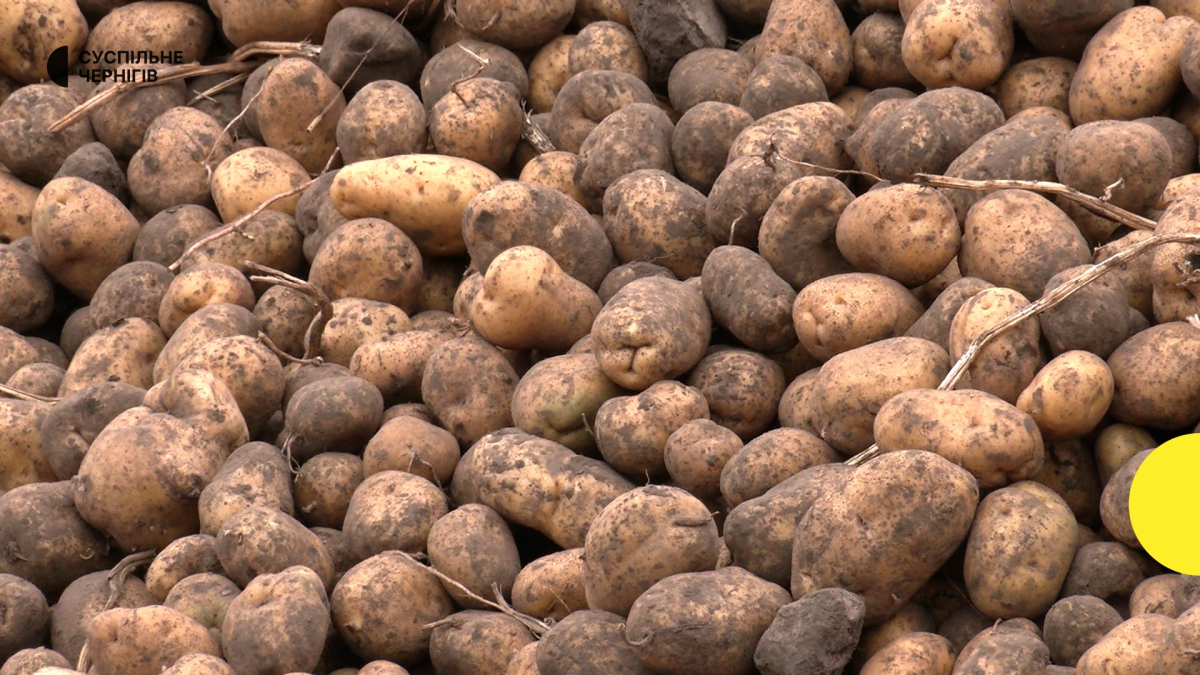
Financial contracts linked to potatoes have risen by more than 700% in less than a month. This sharp price surge was not caused by a potato shortage in Europe, but by speculative trading amid the war in Iran, risks to fertilizer supplies, and instability in global agricultural logistics.
According to Euronews, potato CFD contracts, which track the underlying market for this commodity, have risen in price by approximately 705% over the past few weeks, reports "Komersant Ukrainian"
How the price changed
Since April 21, the cost of 100 kg of potatoes in financial contracts has risen from approximately €2.11 to €18.50.
At first glance, this looks like a sharp price jump. However, the article notes that even after this increase, the price remains significantly lower than it has been in the potato market over the past two years.
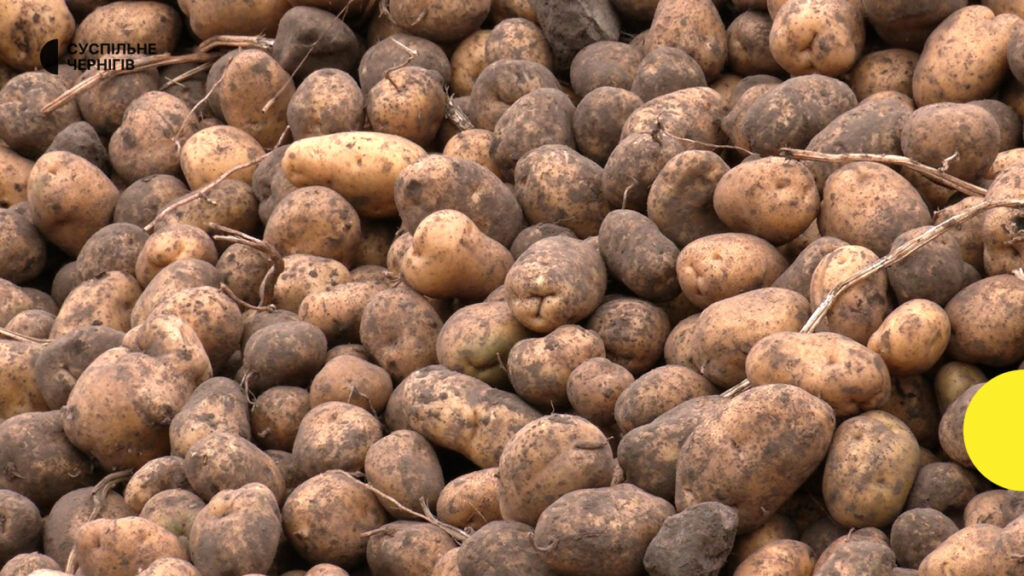
The reason is that there is currently no shortage on the physical market in Europe, but rather a surplus of potatoes.
Why There Are Too Many Potatoes in Europe
Following previous seasons marked by shortages and high prices, farmers in Belgium, the Netherlands, France, and Germany significantly expanded their potato acreage.
Then favorable weather led to a very large harvest. As a result, a significant surplus of produce has formed on the European market.
Processors and exporters cannot keep up with absorbing such volumes, so purchase prices for farmers have plummeted.
Why, then, are futures rising?
The main reason is the difference between the real physical market and financial instruments.
There is a surplus of potatoes in the physical market, and farmers are facing low prices. But financial markets react not only to the current situation but also to future risks.
Traders are factoring in:
- war in Iran;
- the risks of a blockade of the Strait of Hormuz;
- rising fertilizer prices;
- problems with maritime logistics;
- potential disruptions in agricultural supplies;
- expectations regarding future harvests;
- the risk of rising costs for farmers.
That is why potato futures contracts could spike in price, even though there is currently a surplus of potatoes in Europe.
What does the war in Iran have to do with this?
The war in the Middle East has disrupted the supply of key chemicals and minerals needed to produce fertilizers.
Potatoes are a crop that requires a significant amount of nutrients. If fertilizers become more expensive or less available, this could affect future yields and production costs.
In addition, instability in the region complicates operations on key maritime routes. A significant portion of global energy and fertilizer flows, including urea, potassium, ammonia, and phosphates, passes through the Strait of Hormuz.
Watch us on YouTube: important topics – without censorship
Farmers Are Still in a Tough Spot
Despite rising financial contracts, many European potato producers still consider current prices economically unprofitable.
The reason is a sharp rise in costs for:
- fuel;
- fertilizers;
- electricity;
- storage;
- logistics;
- labor costs.
In some cases, lower-quality potatoes intended for animal feed or industrial use were sold at very low or even negative prices. This means that farmers effectively had to cover the costs of transporting or disposing of the surplus.
Will potatoes become more expensive for consumers?
For now, the sharp rise in potato futures does not mean an automatic jump in prices at stores.
For consumers in Europe, potatoes have not yet become significantly more expensive, as the physical market remains oversupplied.
However, the situation could change if the war in Iran continues to put pressure on the markets for fertilizers, energy, and logistics. In that case, farmers’ costs could rise, which would then affect future harvests and retail prices.
What this price spike indicates
The 700% surge in potato futures contracts is more of a market warning sign than evidence of an actual shortage.
Financial traders are trying to assess future risks related to the war in Iran, fertilizers, transportation, and global food security.
In other words, the market is pricing in not today’s situation, but potential problems in the coming months.
Read us on Telegram: important topics – without censorship