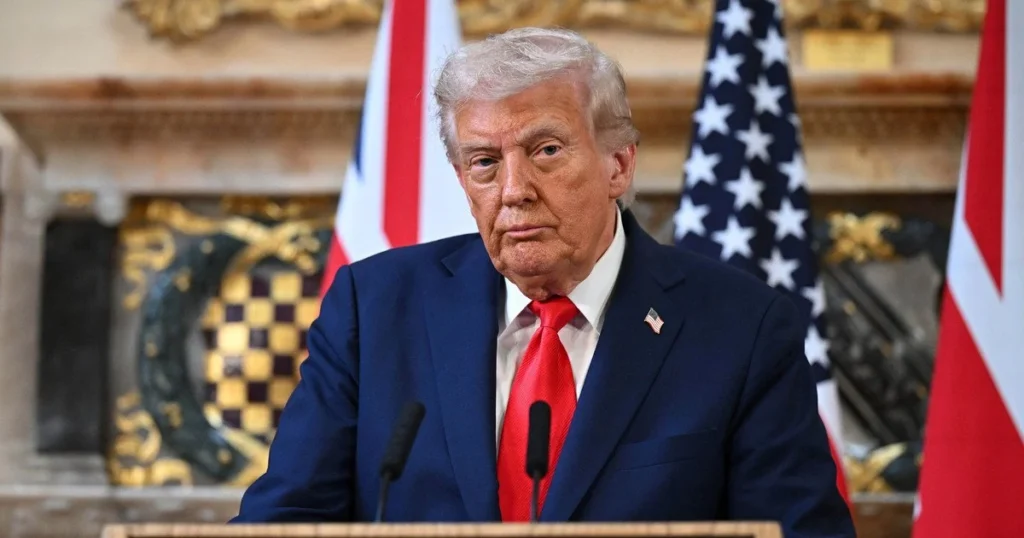
The U.S. has changed its mind: Trump announced an extension of the ceasefire with Iran
22 April 09:45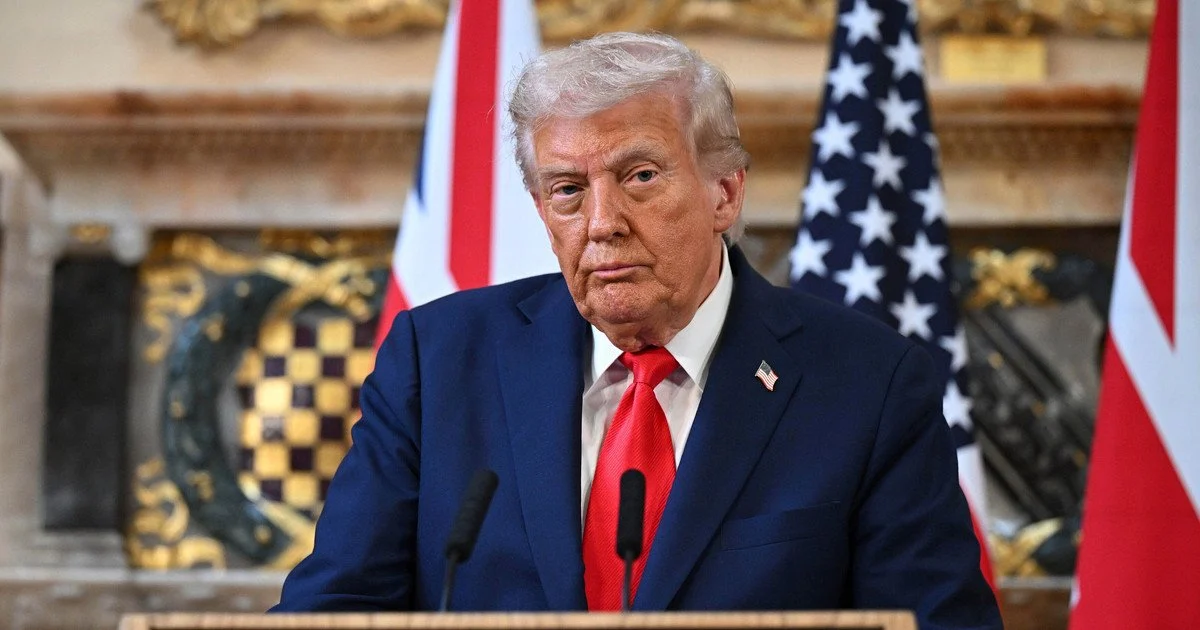
U.S. President Donald Trump announced the extension of the ceasefire in the war with Iran “at the request” of the Pakistani government. He made the announcement late on Tuesday night, April 22, as the ceasefire reached on April 8 was set to expire, according to "Komersant Ukrainian".
“Given the serious rift within the Iranian government—which, however, was expected—as well as at the request of Field Marshal Asim Munir (Commander of the Pakistani Armed Forces. — Ed. ) and Pakistani Prime Minister Shahbaz Sharif, we have been asked to suspend the attack on Iran,” Trump wrote on the social media platform Truth Social.
According to the U.S. president, the ceasefire will remain in effect until “their proposal is presented and negotiations are concluded—one way or another.” At the same time, Trump noted that he had instructed the U.S. military to “continue the blockade” of the Strait of Hormuz and “maintain combat readiness in all other respects.”
Iran refused to negotiate on April 22
Less than an hour before Trump’s post, the Iranian state news agency Tasnim reported that the country, despite Supreme Leader Mojtaba Khamenei’s permission to continue negotiations with the U.S., had definitively refused to participate in the second round of talks, which, according to media reports, was scheduled to take place on April 22 in Islamabad. It is claimed that representatives from Tehran informed U.S. representatives of the decision through an intermediary in Pakistan. According to the Iranian side, participating in the talks would be a “waste of time” because the U.S. is making “excessive demands” and “preventing the achievement of any reasonable agreement.”
In addition, a few hours earlier, Axios reporter Barak Ravid, citing a source, stated that the trip to Islamabad by U.S. Vice President James David Vance, who led the American delegation in the first round of talks with Iran, had been postponed indefinitely. The White House also confirmed the cancellation of the visit.
The first round of talks in Islamabad took place on April 11
The first direct talks between the U.S. and Iran took place in the Pakistani capital a few days after the ceasefire was reached. In addition to Vance, the U.S. delegation included White House Special Envoy Stephen Witkoff and Trump’s son-in-law Jared Kushner. The Iranian delegation was led by the country’s Speaker of Parliament, Mohammad Bagher Ghalibaf, and Foreign Minister Abbas Araghchi.
The talks proved unsuccessful. The very next day, Trump announced the start of a blockade of the Strait of Hormuz, and Iran later accused the U.S. of violating the ceasefire.