URC-2026: Major Companies Announce Investment Volumes in Ukraine Amid Full-Scale War
26 June 19:09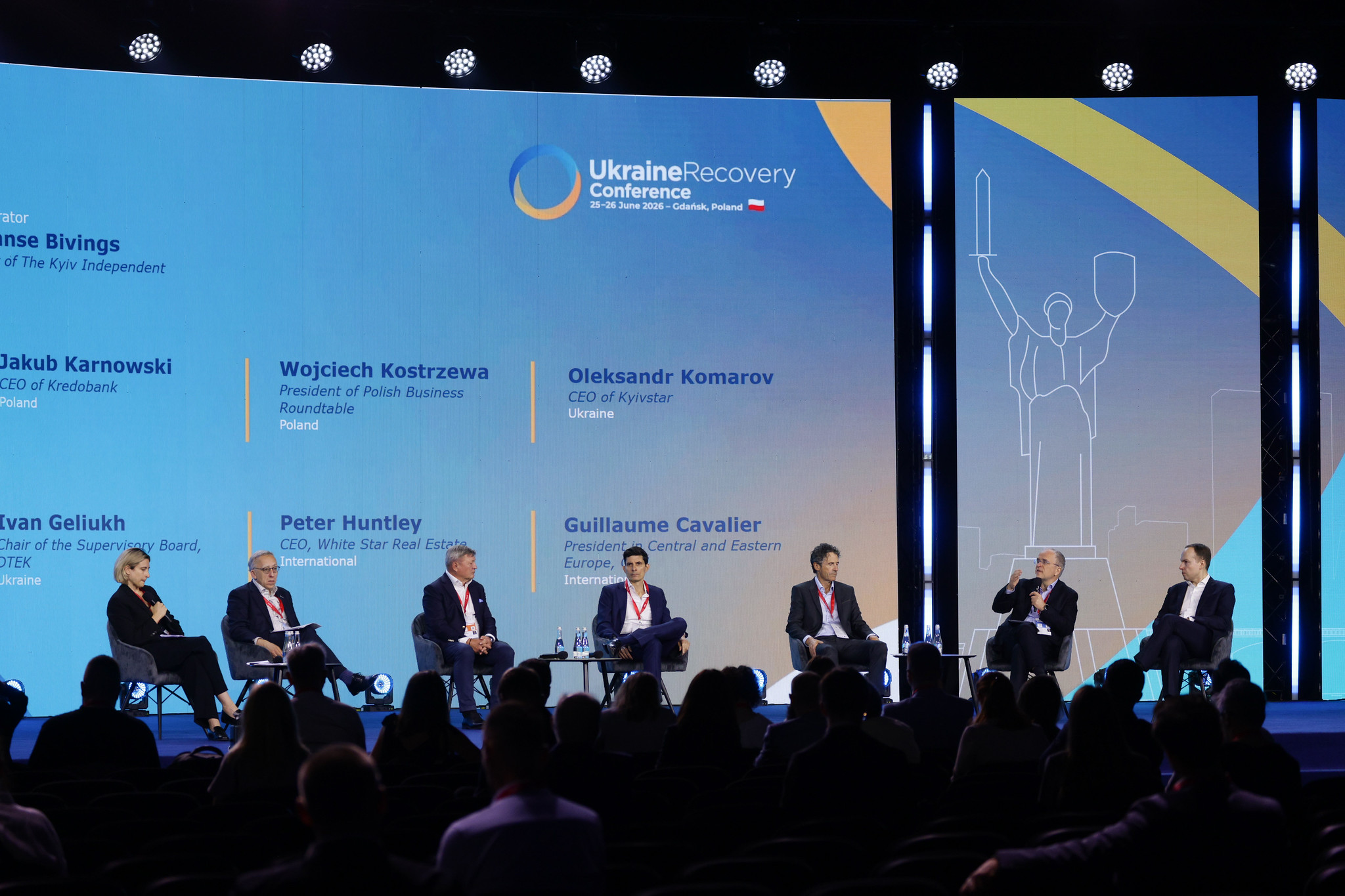
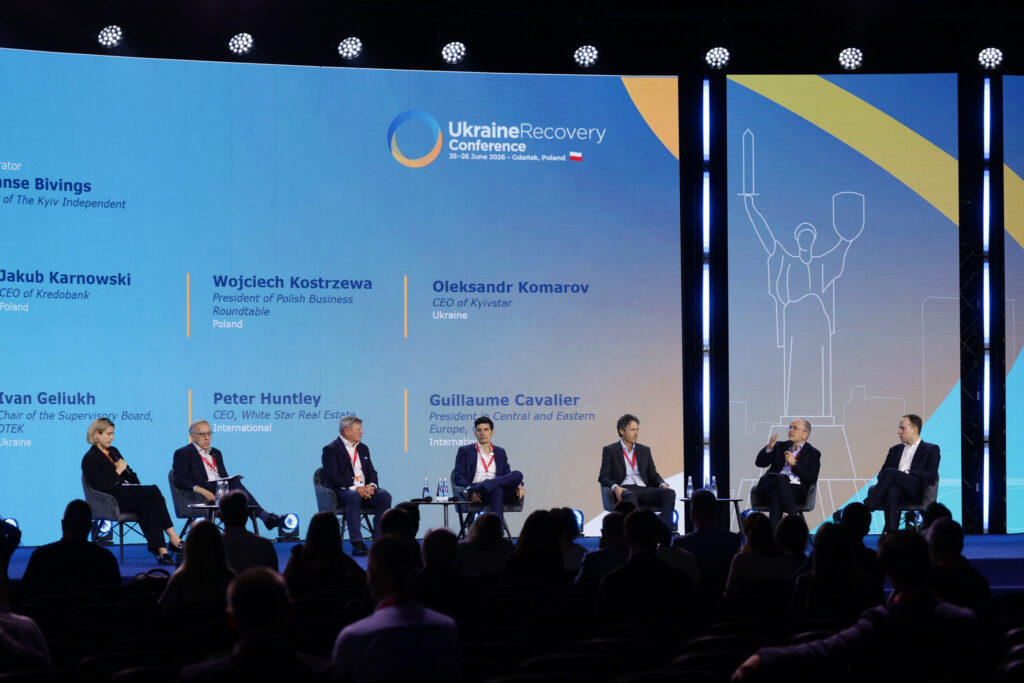
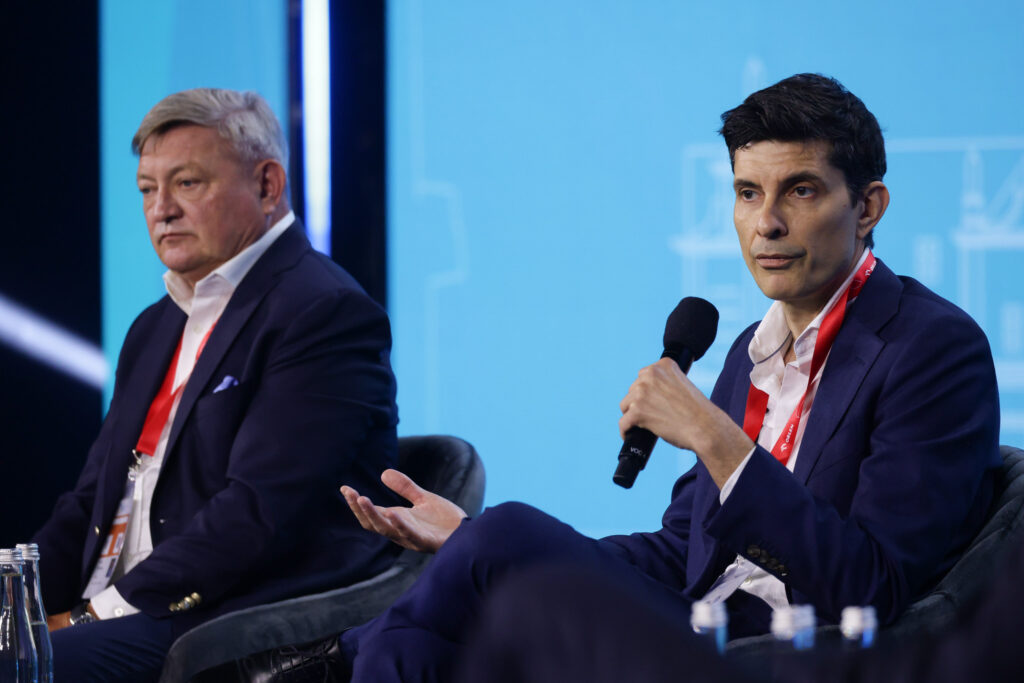
Despite the full-scale war, major international and Ukrainian companies continue to invest in Ukraine’s economy and launch new projects. This was discussed during the panel discussion “From Risk to Investment: Real-Life Cases of Private Investment in Ukraine During Wartime” at the Ukraine Recovery Conference (URC 2026) in Gdańsk, Poland.
Since the start of the full-scale invasion, DTEK has invested approximately €2.4 billion in the restoration and development of energy infrastructure, according to Ivan Helyukh, chairman of the company’s Supervisory Board. The funds were directed toward restoring damaged assets, as well as toward new projects in the fields of renewable energy, energy storage systems, and gas-fired peaking power generation.
Kyivstar, according to CEO Oleksandr Komarov, has implemented an investment program worth approximately $1.3 billion since the start of the war. The investments were directed toward the development and modernization of telecommunications infrastructure, expanding coverage (particularly LTE), improving network resilience, ensuring the energy autonomy of communication nodes, and developing digital services.
CRH, a global manufacturer of building materials, invested $34 million in the construction of a cement terminal in Kyiv during the invasion and, in 2024, acquired cement assets in Ukraine worth approximately €100 million. This was announced by Guillaume Cavallier, CRH’s President for Central and Eastern Europe. According to him, the company is also continuing to modernize production and improve the energy efficiency of its facilities.
The real estate development company White Star Real Estate, together with its partners, is implementing a new logistics project in the Kyiv region aimed at developing modern warehouse facilities. The project involves the development of professional warehouse infrastructure, which may eventually become part of the portfolios of international institutional investors.
KredoBank reported that it has maintained its loan portfolio at approximately 19 billion hryvnia since the start of the full-scale war and has issued about $850 million in new loans over the past approximately 50 months. The bank emphasizes the critical role of international financial institutions—in particular the EBRD,
the EIB, and the DFC—in providing guarantees and risk coverage, which enables lending to continue in Ukraine.
Representatives of the Polish Business Roundtable business association highlighted the key role of international financial instruments, particularly war risk insurance and development guarantees, which ensure the feasibility of investment deals amid the war. In this context, they cited the example of a deal by the Polish insurance group PZU, a member of the Polish Business Roundtable, which became one of the largest M&A transactions in the Ukrainian insurance market since the start of the full-scale invasion: by expanding its presence, the company is strengthening its position in the life insurance segment, approaching a market share of approximately 40% in that segment.
Panel participants emphasized that despite the risks posed by the war, the key drivers of investment remain long-term expectations of Ukraine’s integration into the EU, the availability of international risk insurance mechanisms, and the gradual restoration of confidence in the institutional environment.