The Russian government has extended the ban on diesel fuel exports
29 August 20:11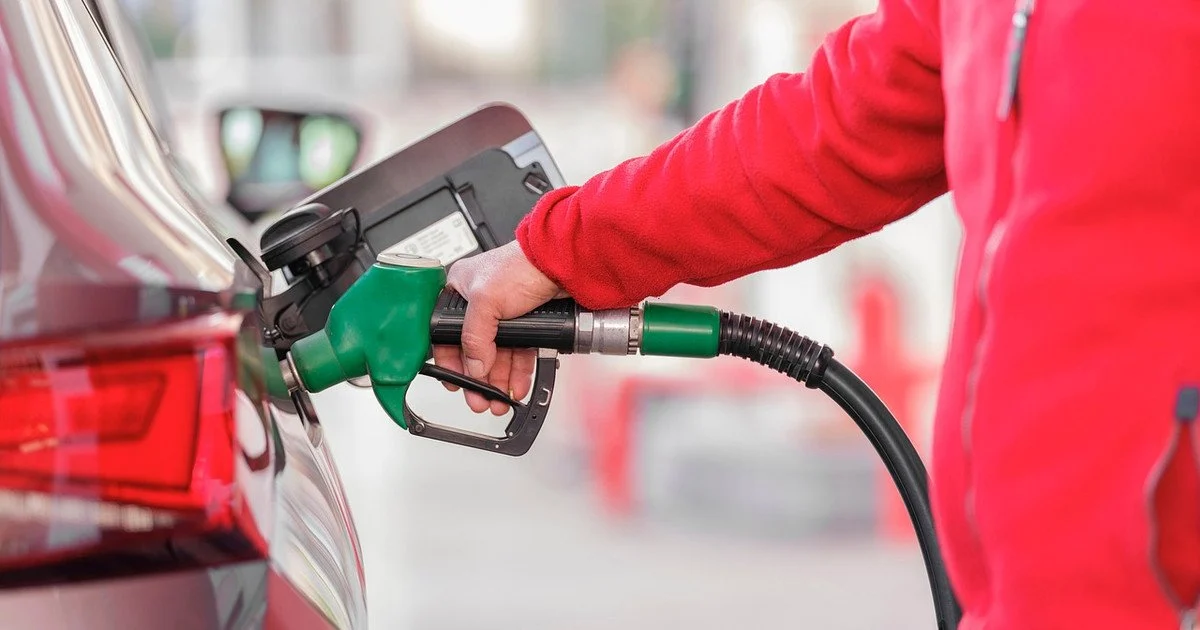
The Russian government has extended the ban on the export of diesel and marine fuel, as well as gas oils produced by manufacturers, through September 30. This was reported in a press release published on the Cabinet of Ministers’ website on Saturday, August 29, according to [Kommersant], citing DW.
“The decision was made to maintain stability in the domestic fuel market,” the press release states.
The government noted that the general ban on fuel exports from Russia remains in effect until January 31, 2027. For direct producers, the ban was initially set to expire on August 31 but has now been extended by one month.
The fuel crisis in Russia has persisted all summer
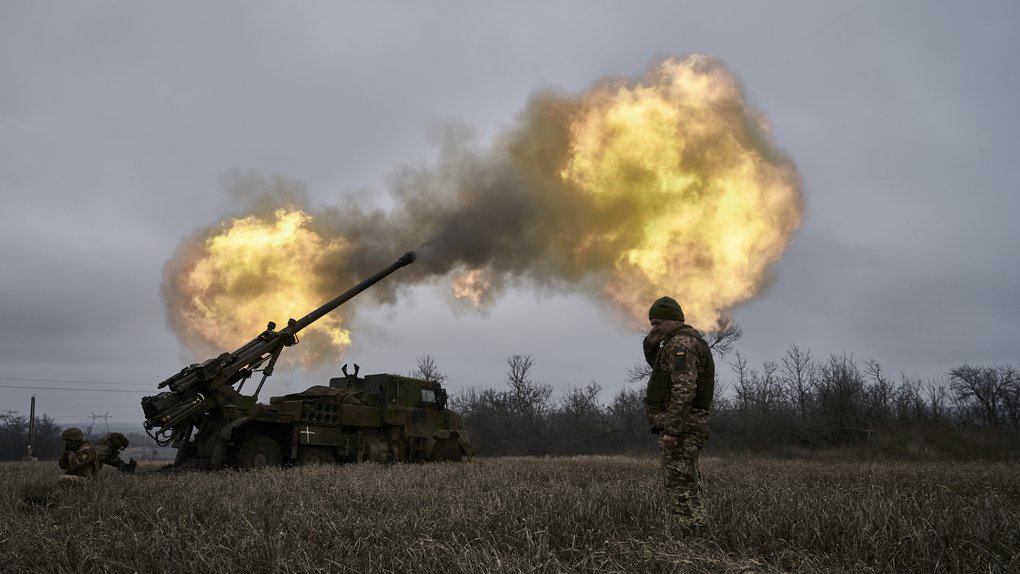
In the summer of 2026, Russia faced its most severe fuel shortage since the start of the full-scale war in Ukraine. It was caused by Ukrainian drone strikes on oil refineries and other fuel and energy facilities. As a result, fuel rationing has been introduced in most regions of the country, and long lines regularly form at gas stations.
Amid the shortage, Russian authorities began purchasing gasoline from other countries in early July—specifically from Belarus and India, which, according to Reuters, was the largest importer of oil from Russia in July 2024. The first shipment of Indian fuel arrived in the country in mid-August.
In addition, in July, the Russian government authorized the sale of fuel meeting “Euro-3” standards—an outdated environmental quality standard that was in effect in Europe from 2000 to 2005. This refers to fuel with a higher sulfur content: in gasoline, it must not exceed 150 mg per kg, and in diesel, 350 mg per kg. Under the more modern “Euro 5” standard, the sulfur content limits are 15 and 35 times stricter—allowing only 10 mg of sulfur per kg.
Media: Gasoline production in Russia has fallen to 70% of consumption levels
By the end of August, gasoline production in Russia had fallen to approximately 70% of domestic consumption levels—following continued attacks by the Ukrainian Armed Forces on Russian oil refineries. According to Reuters, production has fallen to roughly the same level as in early July—at the peak of the first wave of the fuel crisis.
In total, since the beginning of 2026, the Ukrainian Armed Forces have attacked Russian refineries more than 70 times. According to estimates by the Financial Times, they have put at least 26 facilities out of operation. As of the end of July, only eight of them had been able to fully resume operations; at least 11 had resumed partial oil refining, while seven more remained idle.