The Loss of Locomotives and the Search for Solutions: Ukraine Is Negotiating with the U.S.
17 April 14:59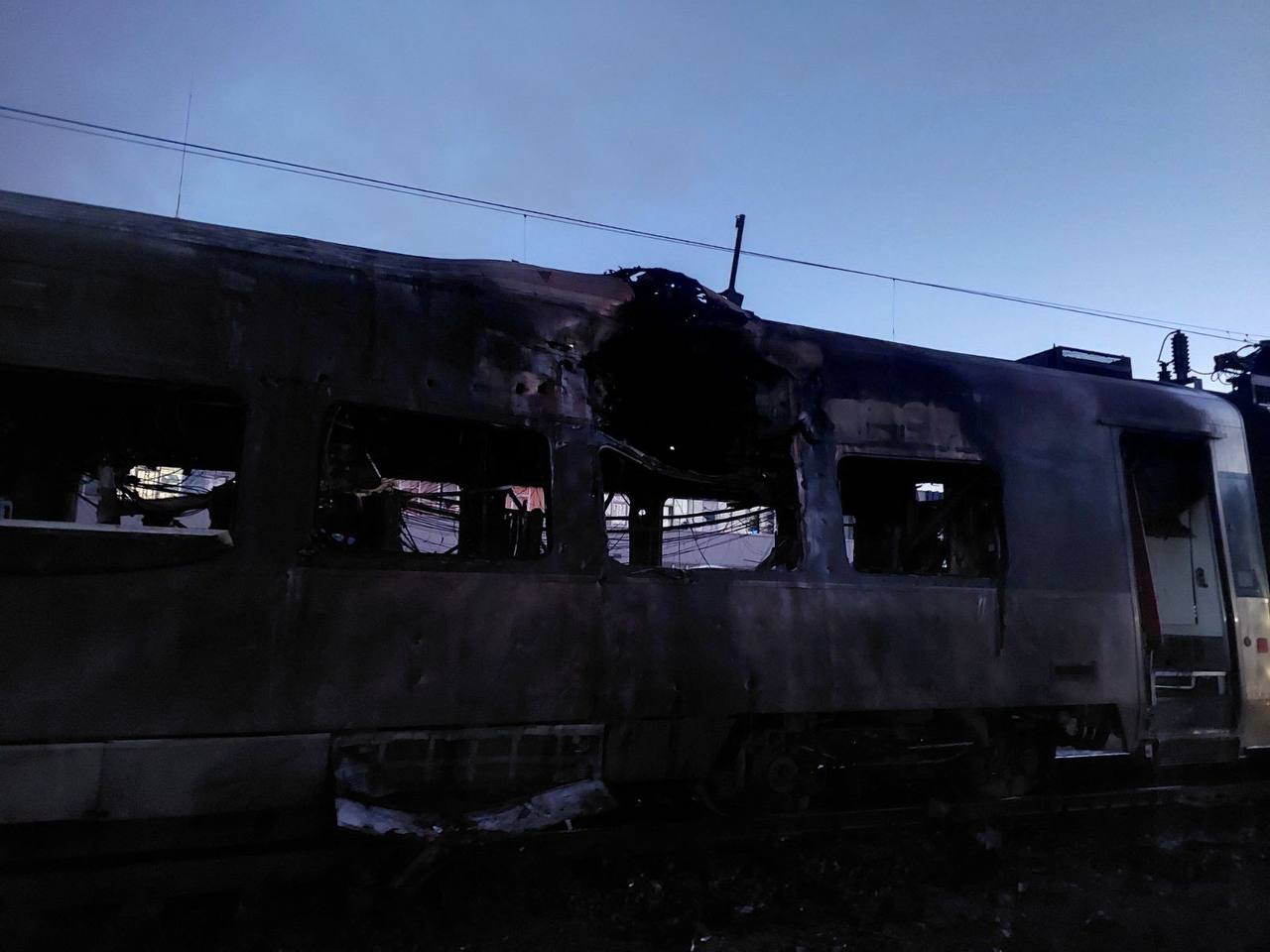
Ukrzaliznytsia has lost more than 300 locomotives due to Russian shelling. The government is negotiating with the U.S. regarding funding for their replacement, Prime Minister Yulia Svyrydenko said , according to [Komersant].
Extent of losses
According to government estimates, over 300 locomotives have been damaged or destroyed. This is a key element of the transport infrastructure. The losses are affecting freight transport, export logistics, and passenger service.
This is one of the biggest blows to the railway fleet since the war began.
Negotiations with the U.S.
Ukraine is discussing with the U.S. Export-Import Bank:
- financing the purchase of new locomotives
- lending formats and other instruments
- priority restoration of rolling stock
Bank President John Yovanovitch is participating in the negotiations.
The next step is structuring the financial agreement.
Existing contracts
Ukraine is simultaneously implementing other projects:
- a contract with Alstom
- 55 electric locomotives
- €473 million
- financing: grant loan
- Agreement with the U.S. Eximbank:
- $156.6 million loan
- 40 Wabtec diesel locomotives
- Previously delivered:
- 30 diesel locomotives from the US
This indicates diversification of suppliers and financing.
A broader package of agreements
The negotiations cover more than just railways:
Energy:
- $300 million for equipment for Naftogaz of Ukraine
- restoring gas production
Future programs:
- modernization of the energy sector — over $1 billion
- supply of U.S. LNG
- funding for critical minerals projects
- support for dual-use companies
This is a comprehensive economic partnership.
Logistics under pressure
Railways are critical for Ukraine:
- ensures exports (particularly agricultural)
- supports military logistics
- compensates for restrictions on maritime routes
The loss of locomotives means:
- a reduction in capacity
- additional pressure on the economy
- the need for rapid restoration
What this means
In the short term:
- need for rapid fleet renewal
- dependence on international financing
Long-term:
- infrastructure modernization
- integration into Western technology and financial markets
Strategically:
- The railway remains a key element of economic resilience during the war