Raised in an information vacuum: what is known about the soldiers sent by the DPRK to fight in the war with Ukraine
21 October 2024 17:48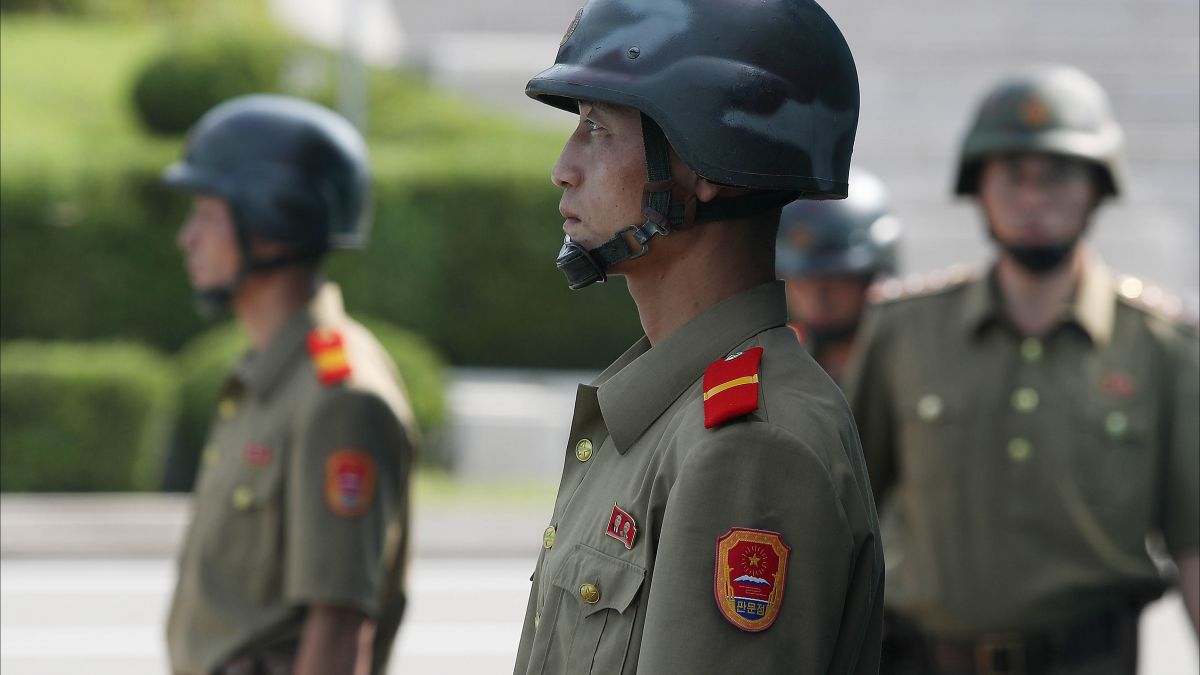
South Korean intelligence agency NIS has released details of the soldiers sent by the DPRK to fight in Ukraine. This was reported by "Komersant Ukrainian" with reference to BILD.
Already on the eve of Sergei Shoigu’s visit to Pyongyang, from 8 to 13 September, 1,500 North Korean soldiers were sent to Russia. Satellites detected four landing ships and three frigates of the Russian Pacific Fleet, which they used to arrive from the ports of Cheongjin and Hamhyn to Vladivostok.
Then, the number of flights of Russian AN-124 military transport aircraft between Vladivostok and Pyongyang began to increase. Apparently, they were also transporting fighters. At least 400 of them are training in barracks near Khabarovsk. According to South Korean intelligence, they were given fake documents and Russian passports, and disguised as Buryats and Yakuts.
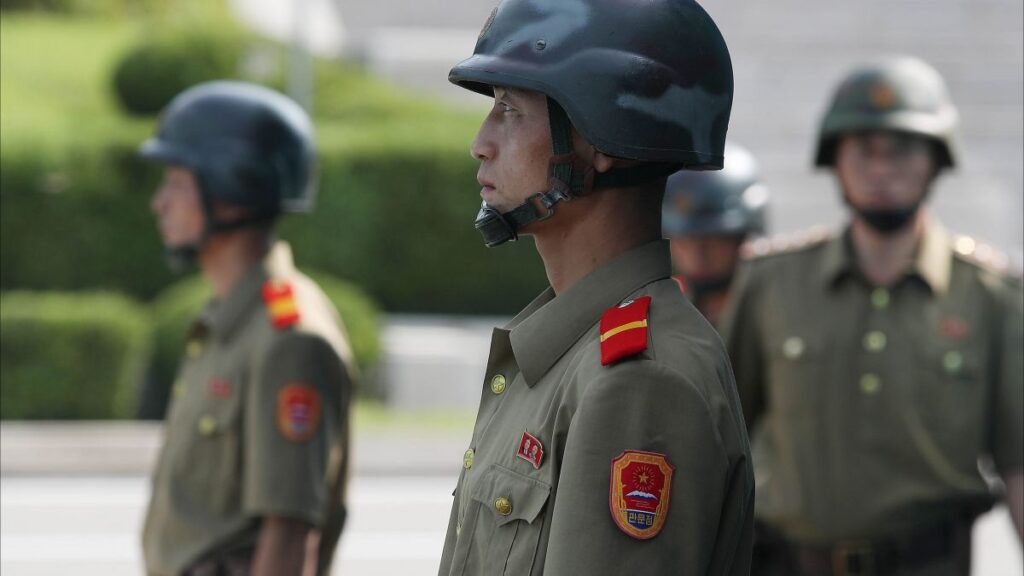
on 5 October, Kim Jong-un visited a special unit in the Western District of the Korean People’s Army. It is considered one of the most brutal in the world. These guardsmen guarded the father of the dictator Kim Jong-il. They were raised in an information vacuum without any external influence (no internet, no Western television, no mobile phones). The future soldiers were indoctrinated with ideology, preparing them to destroy the “NATO devils” and the enemies of the “beloved leader”. Apparently, they were also sent to the war in Ukraine, the media noted.

DPRK soldiers at war in Ukraine: what official Kyiv says
President Volodymyr Zelenskyy called on partners to respond honestly and strongly to the involvement of the DPRK military in the war in Ukraine.
“We need to deal with this. To react. To counteract. And we must not let evil grow. If the world is silent now and if we have to face North Korean soldiers on the frontline as constantly as we have to defend ourselves against the Shahed, then this will definitely not benefit anyone in the world and will only prolong this war. A war that must be ended fairly and as soon as possible,” Zelenskyy said.
The President stressed that instability and threats could increase significantly after North Korea learns modern warfare.
DPRK sent its military to fight on the side of Russia: how the international community is reacting
Meanwhile, Ukraine’s allied states have also reacted to the DPRK’s sending its military to our country to fight on the side of the Russians.
For example, Lithuanian Foreign Minister Gabrielius Landsbergis proposed sending European troops to Ukraine in response to the deployment of DPRK soldiers. The diplomat wrote on his page on the social network X that Ukraine’s allies should return to the idea of sending troops to its territory after Russia engaged North Korean soldiers to participate in the war
“At the beginning of the year, French President Emmanuel Macron hinted at the possibility of sending troops. At the end of the year, North Korea actually did it. We are still behind, reacting to the escalation instead of reversing it. Macron’s ideas should be reconsidered, better late than never,” Landsbergis wrote.
In turn, the South Korean Foreign Ministry summoned the Russian ambassador and demanded that North Korean soldiers be withdrawn from Russia.
South Korea’s First Deputy Foreign Minister Kim Hong-kyun summoned Russian Ambassador Georgy Zinoviev and called for the immediate withdrawal of North Korean soldiers from Russian territory.
“The military cooperation between Russia and the DPRK that goes beyond the provisions of military supplies poses a serious threat to South Korea and the international community. military cooperation between Russia and the DPRK that goes beyond the provisions of military supplies poses a serious threat to South Korea and the international community,” Kim Hong-kyun said.
And NATO Secretary General Mark Rutte, after a conversation with South Korean President Yun Seok-yol, wrote on his X social media page that “sending North Korean troops to fight alongside Russia in Ukraine would mean a significant escalation.”