EU Imposes New Restrictions on Russian LNG: Details
24 April 23:55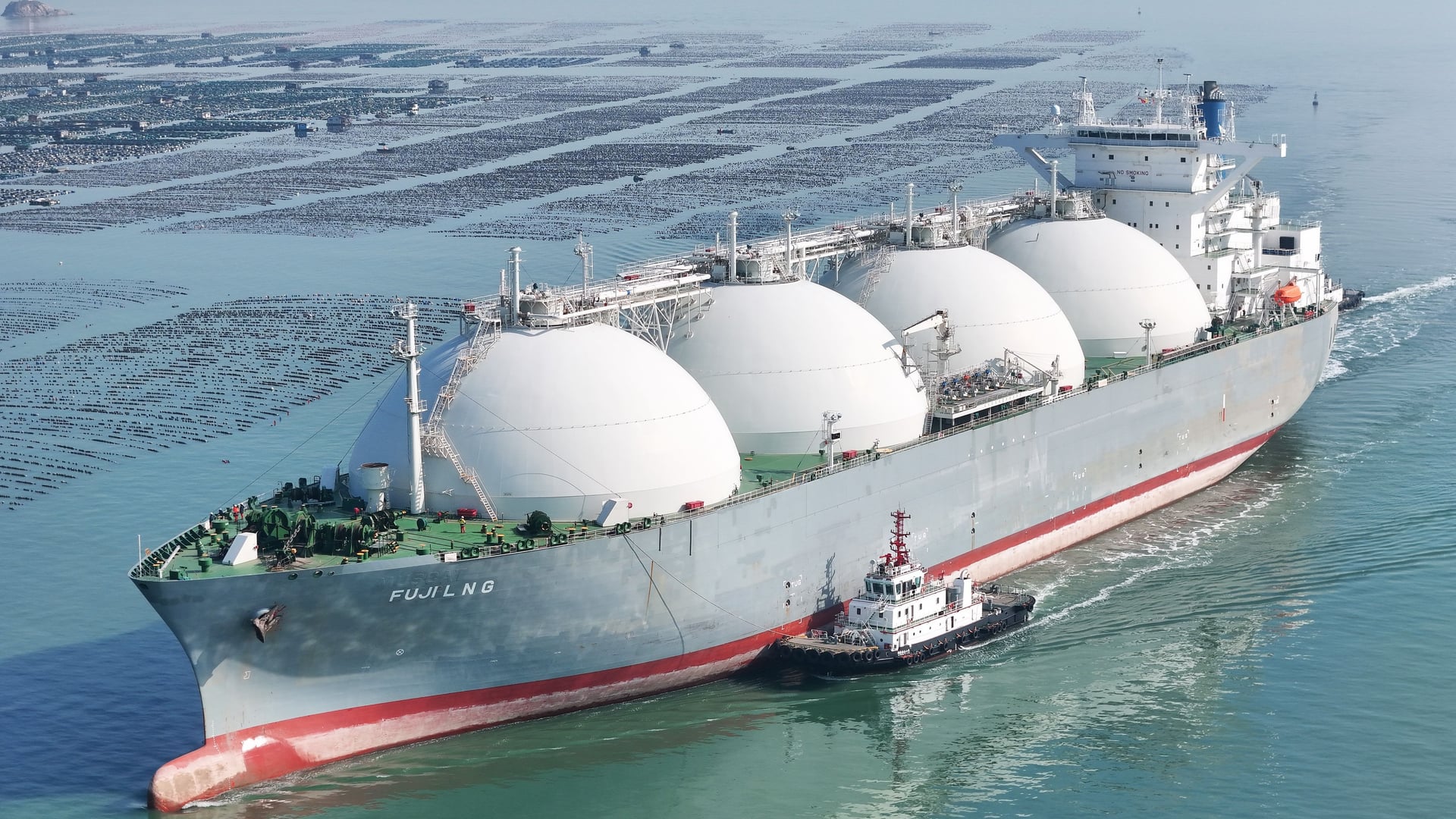
The European Union is entering a new phase in its transition away from Russian gas. Starting April 25, 2026, a ban will take effect on imports of Russian liquefied natural gas (LNG) under short-term contracts signed before June 17, 2025. This was reported by Bloomberg, according to "Komersant Ukrainian"
At the same time, long-term contracts for Russian LNG will not be terminated immediately: a transition period applies to them until January 1, 2027.
The new rules are being introduced amid rising tensions in the Middle East, rising gas prices, and the need for Europe to actively replenish its storage facilities ahead of next winter. Reuters reported that at the EU summit, leaders simultaneously discussed both new sanctions against Russia and the risks to the energy market posed by the Middle East conflict.
What exactly is the EU banning starting April 25
The ban, which takes effect on April 25, does not apply to all purchases of Russian LNG at once, but specifically to short-term supplies—that is, spot or short-term contracts concluded before June 17, 2025. This is confirmed by both the European Commission’s official page on the phased phase-out of Russian energy sources and S&P Global’s industry review.
At the same time, deliveries under long-term contracts may still continue, but not indefinitely. For Russian LNG under long-term contracts, the deadline for the ban has been set for January 1, 2027. In other words, the EU is not cutting off imports all at once, but is implementing a phased phase-out of Russian gas.
Watch us on YouTube: important topics – without censorship
Why this matters for Europe
Despite a significant reduction in dependence on Russian energy sources following Russia’s full-scale invasion of Ukraine, the share of Russian gas in the EU remains substantial. Reuters noted that as of April 2026, Russia supplied about 12% of the EU’s gas needs, with part of this volume coming via pipelines and part as LNG.
This is precisely why the ban on short-term purchases of Russian LNG has a practical effect: it reduces the flexible segment of imports that traders used for quick purchases on the market.
A key detail is that the EU has allowed a transition period for long-term contracts. This means that large energy companies with long-standing commitments to Russian LNG are not forced to terminate them immediately. But the countdown to a complete phase-out has already begun: for LNG, the ban on long-term contracts is set to take full effect starting in early 2027.
This approach allows the EU to avoid a sudden energy shock, especially given that the region still needs to actively build up reserves in gas storage facilities.
How this relates to the 20th sanctions package
The issue of Russian LNG also partially overlaps with the new 20th package of EU sanctions. Reuters and the Council of the EU reported that this package provides for a phased ban on services for Russian LNG tankers and icebreakers, as well as future restrictions on LNG terminal services.
However, it is important not to confuse the two: an import ban on gas purchases under contracts and sanctions-related restrictions on services are related but not identical mechanisms.
Specifically, the 20th package stipulates that terminal services for Russian LNG in the EU will be banned starting in 2027, and restrictions will be imposed on the maintenance of Russian LNG tankers and icebreakers.
Watch us on YouTube: important topics – without censorship
At this point, Europe does not appear defenseless against the new restrictions. Reuters reported that the region has already begun the gas storage season, and the EU is discussing steps to stabilize the market without reverting to its former dependence on Russia. However, the problem lies elsewhere: Europe will still have to purchase significant volumes of gas in the coming months to build up reserves in time for winter.
Bloomberg also reported that in April 2026, Europe faced its first monthly decline in seaborne gas supplies in over a year, and this is adding to market jitters. In other words, the ban on Russian LNG is being imposed not at a time of surplus, but at a time when the EU must carefully balance security, prices, and stock levels.
European officials have repeatedly emphasized that a return to the pre-war model of dependence on Russian energy sources is politically unacceptable. That is why, even amid soaring prices and the conflict in the Middle East, Brussels is not abandoning its course toward the complete phasing out of Russian gas from the European market. The European Commission’s official position is to completely phase out Russian energy imports by no later than 2027.
Read us on Telegram: important topics – without censorship