The European Union plans to impose a price cap on Russian oil: what we know
31 May 21:15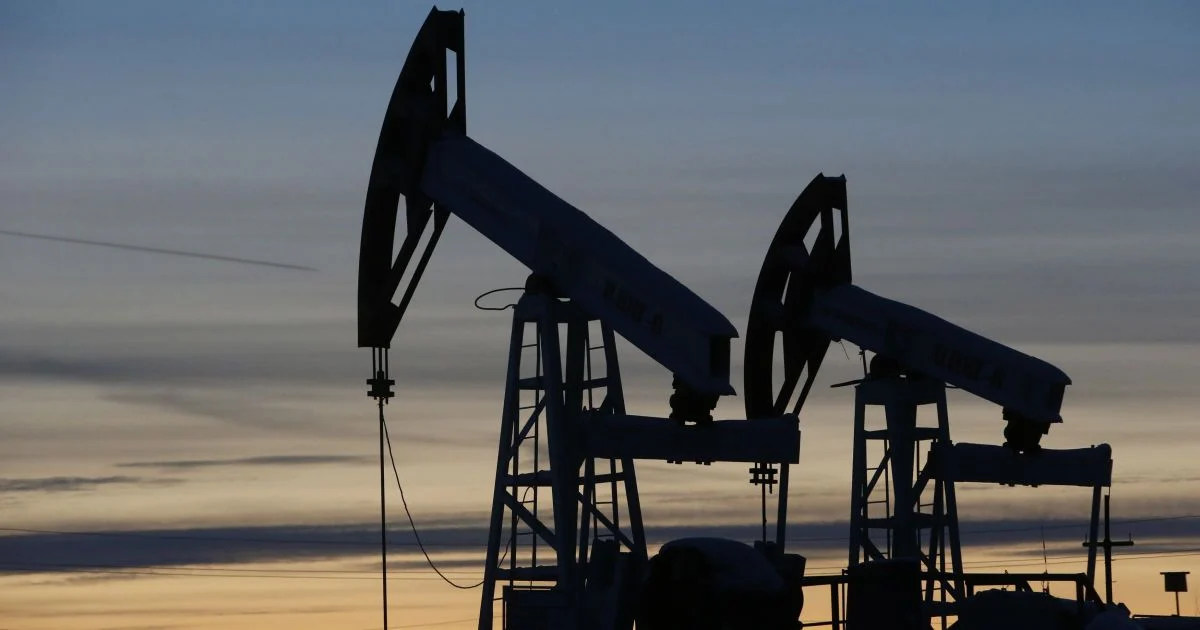
The European Union is considering temporarily freezing the price cap on Russian oil amid rising global prices caused by the conflict in the Middle East, which has been ongoing for four months, Bloomberg reports, citing informed sources, according to "Komersant Ukrainian".
The current price cap stands at $44.10 per barrel, and a review is scheduled for late summer. However, as the agency notes, one of the scenarios under discussion is to maintain the cap at its current level. Previously, the EU introduced a mechanism providing for automatic adjustment of the price cap every six months—at a level 15% below the average market price of Russian Urals crude. Under the current cap, European companies are prohibited from providing insurance and transportation services for oil sold above the established threshold.
According to Bloomberg’s sources, oil prices have surged due to the war with Iran and the de facto closure of the Strait of Hormuz. Under these conditions, the scheduled review in July would likely result in raising the price cap to at least $65 per barrel, which is higher than the previous $60 level agreed upon by the G7 countries. The agency’s sources note that among the options being considered are not only freezing the current level but also suspending the automatic price ceiling review mechanism until the end of the year amid the situation in the Middle East, as well as capping any potential increase at $60, which corresponds to the former G7 threshold.
Watch us on YouTube: important topics – without censorship
According to Bloomberg, this move could be part of the EU’s 21st package of sanctions against Russia. The EU expects to announce new measures in early June. Last week, the bloc’s member states’ ambassadors were already briefed on them.
Among the additional measures under discussion are tighter restrictions on banks, oil traders, refineries, and crypto operators in third countries, which the EU believes Moscow is using to circumvent sanctions. There are also plans to add about 20 new tankers from the so-called “shadow fleet”—which plays a key role in Russian oil exports—to the sanctions lists. In the future, the restrictions may be extended to vessels transporting liquefied natural gas. In addition, measures are being considered regarding vessels that provide services to such tankers.
However, according to Bloomberg, the new sanctions package is unlikely to include a complete ban on maritime transport: a number of member states continue to oppose this measure due to the unstable situation in the Middle East.
The main goal of the new restrictions, according to sources, remains to exert further pressure on Russia’s energy revenues and its financial sector. The adoption of the sanctions package requires the consent of all EU countries, so its parameters may change. In particular, maritime nations such as Greece are traditionally skeptical of revising pricing mechanisms, while other countries pay special attention to protecting their own energy and trade interests.
Additional proposals include the imposition of trade restrictions on certain types of critical minerals, metals, and ores used in Russia’s aerospace industry and drone production, as well as electronic warfare technology. In addition, the EU is considering expanding export controls to cover approximately two dozen companies, including firms from China, India, Turkey, and Central Asian countries, which are alleged to continue supplying Russia with dual-use goods used in weapons production.
Read us on Telegram: important topics – without censorship