Threat of a natural disaster: the fire in Tuapse has not yet been extinguished
23 April 13:48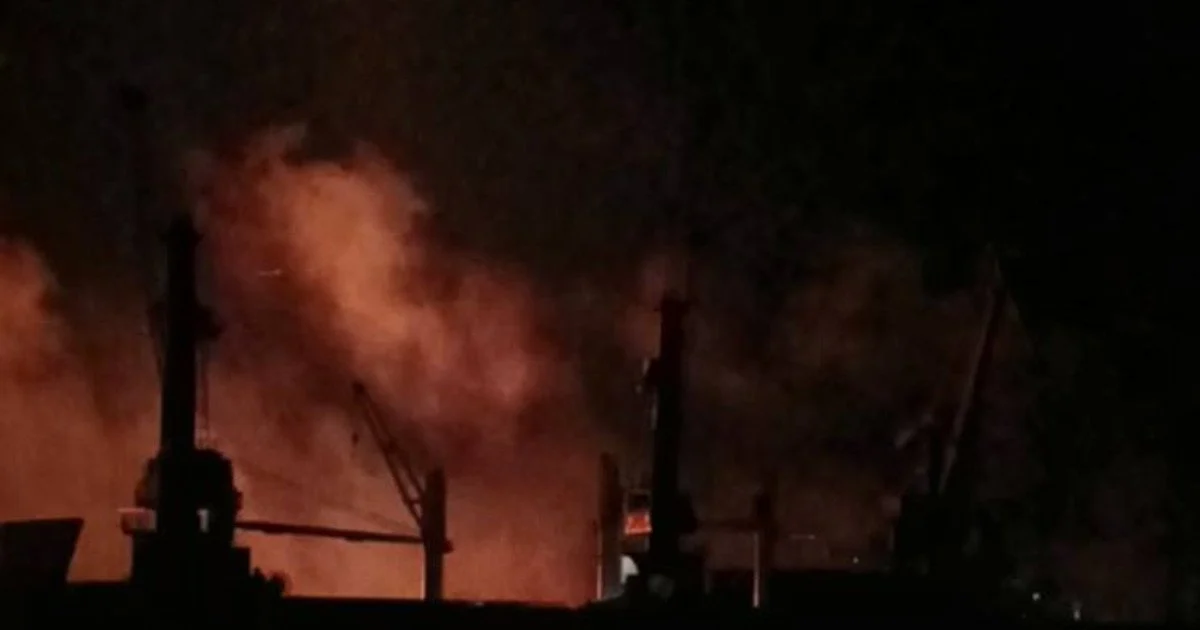
On Thursday, April 23, the Krasnodar Krai Emergency Response Headquarters recommended that residents of Tuapse stay indoors and keep their windows closed: Rospotrebnadzor recorded levels of benzene, xylene, and soot in the air that were two to three times higher than the maximum permissible limits. The restrictions primarily apply to the Grozneft, Sortirovka, and Zoryany neighborhoods, as well as parts of the Central District, according to "Komersant Ukrainian", citing Russian state media.
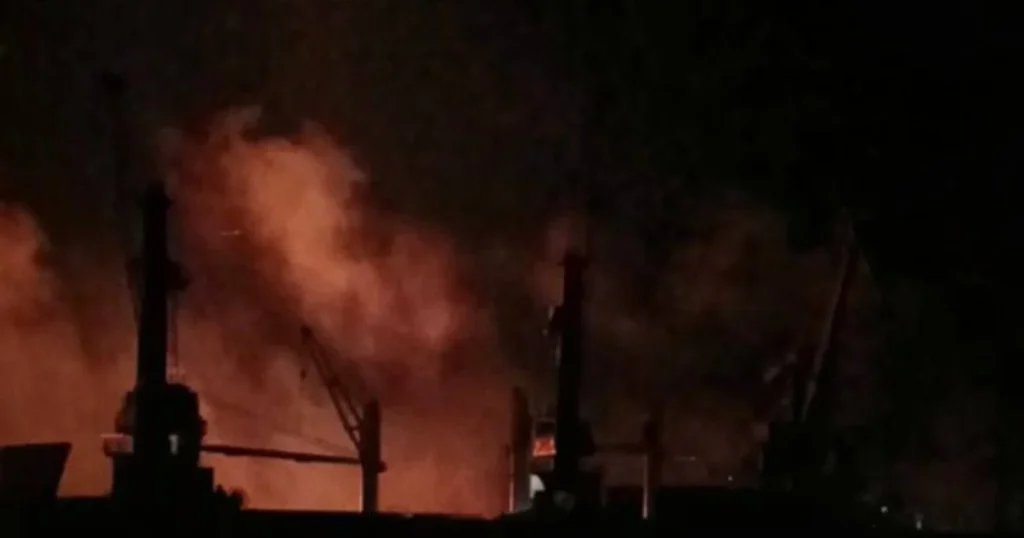
“Residents are advised to wet-clean more often, rinse their noses, eyes, and throats, and wear masks when going outside. The fire at the marine terminal, which broke out after a Ukrainian drone attack, has been burning for three days,” the report states.
Extent of environmental damage
The Moscow Times cites environmentalists’ views on the fire’s consequences. Ecologist Yevgeny Vitishko called the incident “the region’s biggest environmental disaster” in recent times, one that could negatively impact the environment for several years. Chemist Vil Mirzayanov warned that the combustion products contain polyaromatic compounds, including carcinogens, that are hazardous to health.
Smog from the fire reached Stavropol the day before, and on April 22, according to ecologist Georgy Kavanoyan, it reached Sochi. One of the ecologists, who wished to remain anonymous, warned that some of the harmful emissions could fall as acid rain—residents of Tuapse have already reported precipitation with an oily film and black particles on the streets.
On April 20, an oil slick covering an area of about 10,000 square meters was detected in the Black Sea near the port of Tuapse. Authorities deployed boom barriers and mobilized six vessels to clean up the pollution. Similar cleanup efforts are underway at the mouth of the Tuapse River, which was also affected by the oil spill.