Businesses are being threatened with “Shahed” strikes and extorted for money: “Flash” has warned of a new scheme
7 August 00:57
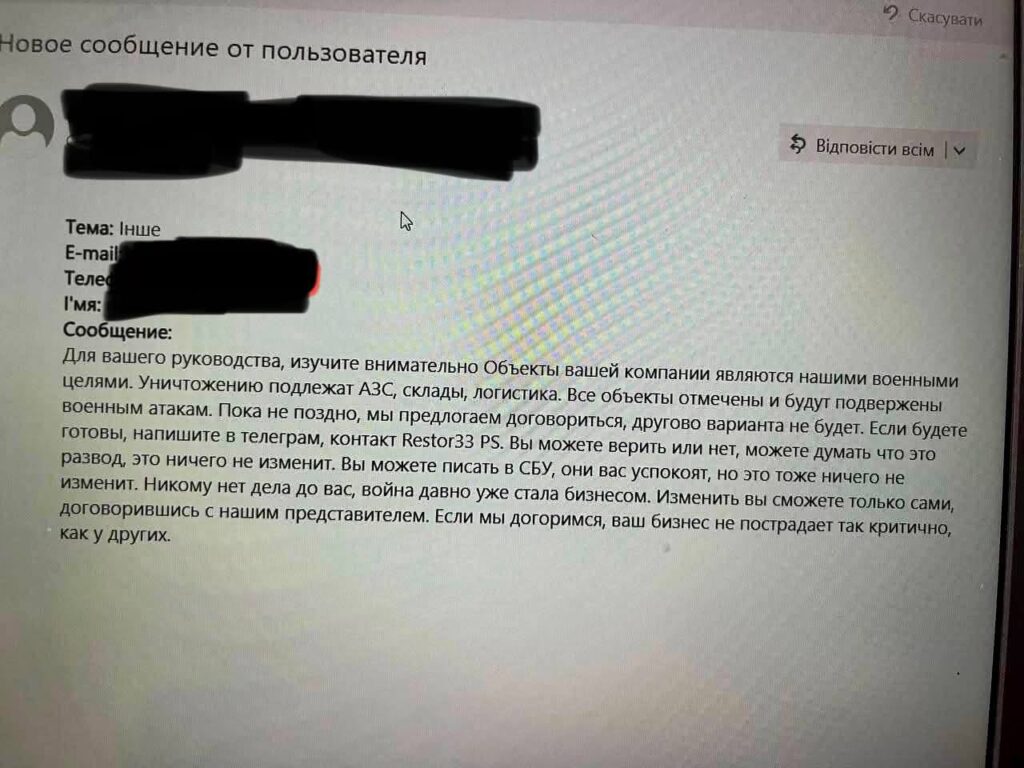
Ukrainian companies have begun receiving anonymous letters from individuals who identify themselves as the “owners of ‘Shaheds’” and are demanding money to ensure that the companies’ facilities are not targeted by Russian drones.
This was reported by "Komersant Ukrainian", citing a statement by Sergei “Flash” Beskrestnov, an advisor to the president and an expert in military radio technology, on his Telegram channel.
How Ukrainian Businesses Are Being Intimidated
According to Beskrestnov, unknown individuals are sending messages to business representatives offering to pay for an alleged guarantee that warehouses, factories, or other facilities will not be attacked by strike drones.
“Businesses have begun receiving anonymous letters from the ‘owners of the Shaheeds’ offering to pay so that business facilities are not subjected to attacks by the ‘Shaheeds,’” “Flash” reported.
He urged business owners not to believe such messages and not to transfer funds to their authors.
“I hope everyone will be wise enough not to believe this nonsense,” Beskrestnov added.
Read us on Telegram: important topics – without censorship
Why This Scheme Emerged
Scammers are trying to exploit the fear of business owners following the intensification of Russian strikes on Ukraine’s logistics and manufacturing infrastructure.
Recently, warehouses, sorting centers, shopping complexes, and enterprises that supply goods to millions of Ukrainians have come under attack.
Earlier, “Flash” warned that owners of warehouses, gas stations, and businesses should be aware of the danger posed by attacks from modernized drones and, above all, ensure that their employees have shelter. At the same time, this does not mean that the unknown authors of the letters have any influence on the selection of targets for Russian attacks.
What to Do After Receiving a Threatening Letter
Representatives of companies that have received such a message should not comply with the demands or transfer funds.
You should:
- save the original email or message;
- take screenshots of the correspondence;
- record the sender’s email address, phone number, and payment details;
- do not open suspicious attachments or links;
- report the incident to law enforcement.
You can submit this information through the Cyber Police’s official online reporting system. If the threat appears urgent or contains specific details about a possible attack, you should also call 102. The Cyber Police advise against opening questionable files from unknown senders and recommend saving electronic evidence for law enforcement.
Watch us on YouTube: important topics – without censorship