Olive oil prices are set to rise again: Heat and wildfires in Europe have hit the harvest
4 August 13:49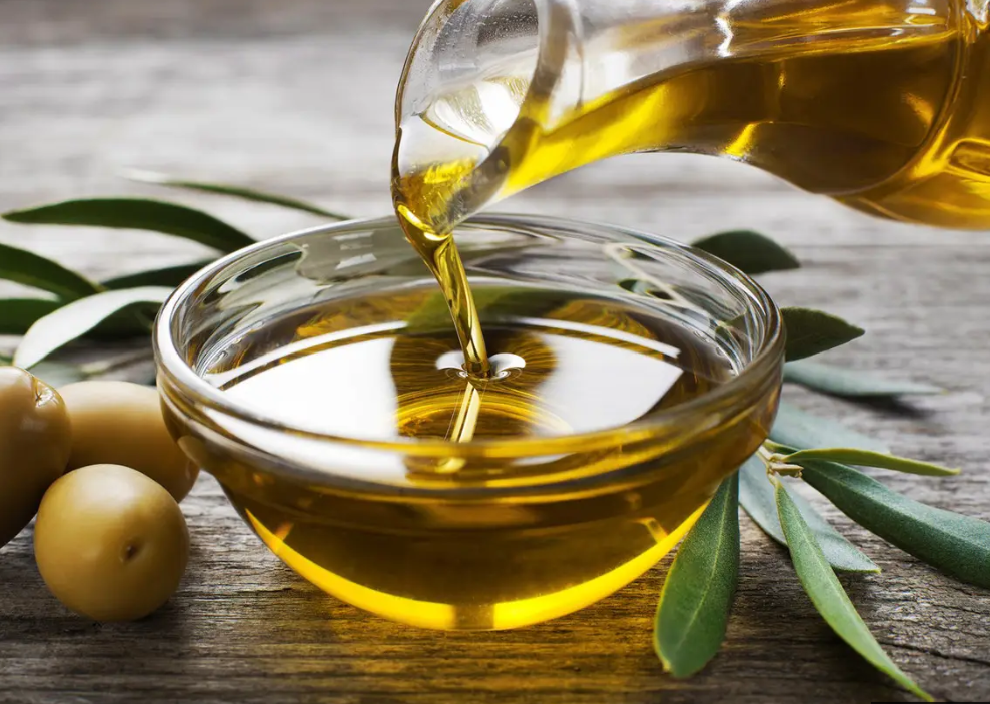
A wave of extreme heat, drought, and large-scale wildfires has swept across Europe, already impacting agriculture. Olive groves have been hit the hardest, leading producers to predict another rise in olive oil prices in the coming months.
This was reported by "Komersant Ukrainian", citing The Guardian.
Why Olive Oil Prices May Rise
According to producers, olive groves suffered significant losses this summer due to:
- record-breaking heat;
- prolonged drought;
- large-scale wildfires;
- the spread of pests and diseases;
- strong winds that carried ash even to undamaged groves.
Producers in the following countries were hit hardest:
- Greece;
- Italy;
- Portugal.
Even plantations that were not affected by the fires lost part of their harvest due to deteriorating air quality and extreme weather conditions.
Prices have begun to rise again
After a sharp price spike in 2024, global olive oil prices gradually stabilized. However, the trend has now reversed.
According to data from the British market, the average price of a liter bottle of extra virgin olive oil exceeds 7 pounds sterling (over 420 UAH) and has been rising again in recent months.
Farmers warn that the new harvest may turn out to be significantly smaller than expected.
It’s not just olives that have been affected
Extreme weather has also taken a toll on other crops.
In particular, producers have reported losses in:
- corn;
- sunflowers;
- potatoes;
- soybeans;
- carrots;
- onions;
- garlic;
- tomatoes;
- grapes.
In France, winemakers in the Champagne, Bordeaux, and Burgundy regions are already preparing for the earliest grape harvest on record. In Champagne, the harvest will begin as early as August 15 —almost a month earlier than usual.
Watch us on YouTube: important topics – without censorship
EU Lowers Harvest Forecasts
The European Union has already revised its yield forecasts for major crops.
The EU has lowered its harvest forecasts for a wide range of crops: sunflower yields are projected to be 7% lower, grain corn yields 6% lower compared to the previous harvest, and expectations for potatoes and soybeans have been reduced by 3%.
The agricultural trade association ASAJA reported that the fires directly damaged orchards, vineyards, farmland, and greenhouses—affecting citrus fruits, avocados, almonds, vineyards, vegetables, and olive groves. Drought and extreme temperatures have impacted tomato and corn production.
“Although losses in local production may reduce export volumes of certain products,” said a representative of the organization, “the main concern is higher production costs,” rather than restrictions on international trade.
In Spain, the Ministry of Agriculture forecasts that the grain harvest for the 2026–2027 season will drop from 24 million metric tons to 18.5 million metric tons.
How This Could Affect Ukraine
Against the backdrop of challenges in Europe, the situation in Ukraine appears more stable for now.
As previously reported by the Ukrainian Grain Association, recent rainfall has improved conditions for the growth of:
- corn;
- sunflowers;
- soybeans.
However, experts warn that the abnormal heat in August could negatively impact the upcoming harvest, especially in regions with insufficient moisture reserves.
According to current forecasts, Ukraine has every chance of producing a good corn harvest, provided weather conditions do not deteriorate.
Read us on Telegram: important topics – without censorship