Gasoline prices in Yalta have reached a new high: how much are they charging per liter?
12 July 04:16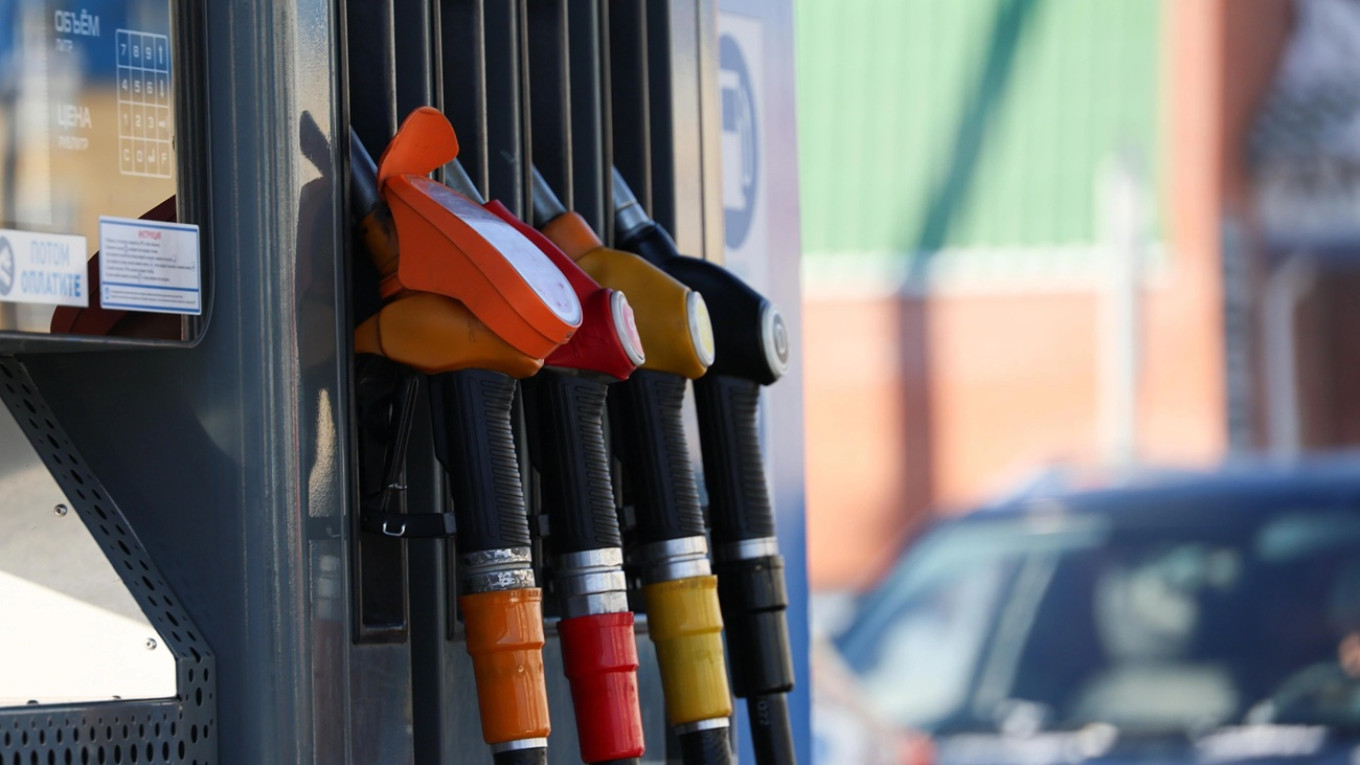
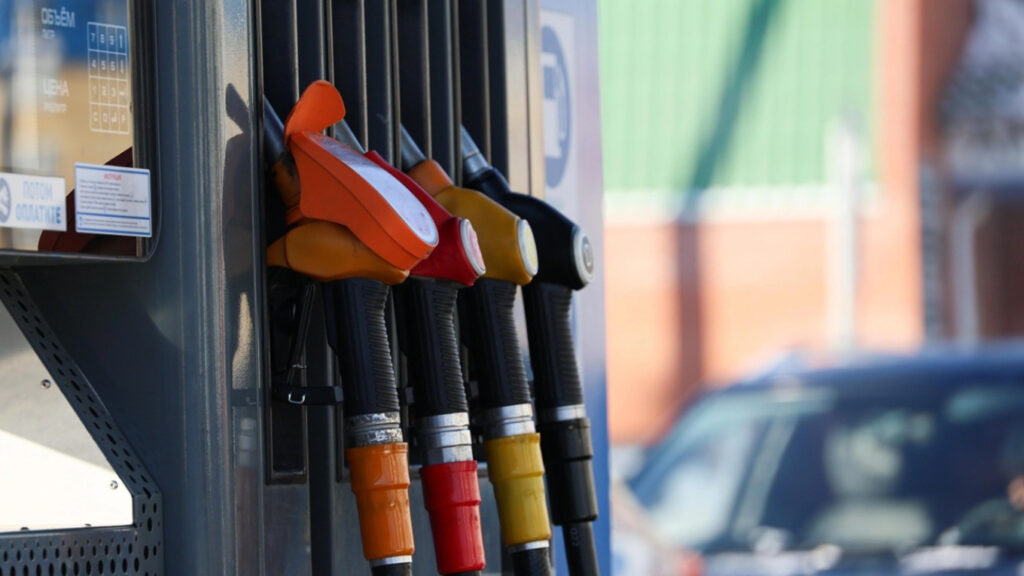
The price of gasoline at one of Yalta’s gas stations has reached 350 rubles per liter, according to Alexander Slepinin, the owner of a guesthouse in the city. He noted that this is the only gas station in the city where fuel is currently sold freely, but there are no lines there—due to the high price, most drivers cannot afford to fill up. This was reported by "Komersant Ukrainian", citing Russian propaganda media.
“A canister will cost 7,000 rubles. Tourists who arrive by car are bringing their own supplies. There’s almost no tourist traffic. At a nearby hotel, all staff were sent home, and the remaining employees had their salaries cut in half,” Slepinin complained.
On the morning of Saturday, July 11, the “Ministry of Fuel and Energy” of the annexed Crimea reported that fuel is being sold freely at 99 gas stations across the peninsula. In Sevastopol, according to local “authorities,” gasoline is available at nine gas stations, but restrictions remain in place: no more than 20 liters per car, and sales into canisters are prohibited.
Rosstat had previously stated that the average price of AI-92 gasoline in Crimea is 123.5 rubles per liter, and AI-95 is 170.6 rubles. However, in reality, a liter of gasoline costs up to 199 rubles at gas stations in Sevastopol, and 185–200 rubles across Crimea as a whole. On the black market, prices reach 250–400 rubles per liter. According to official statistics, by July 6, the annual increase in gasoline prices in Russia had reached 21.9%—the highest level since 2010.
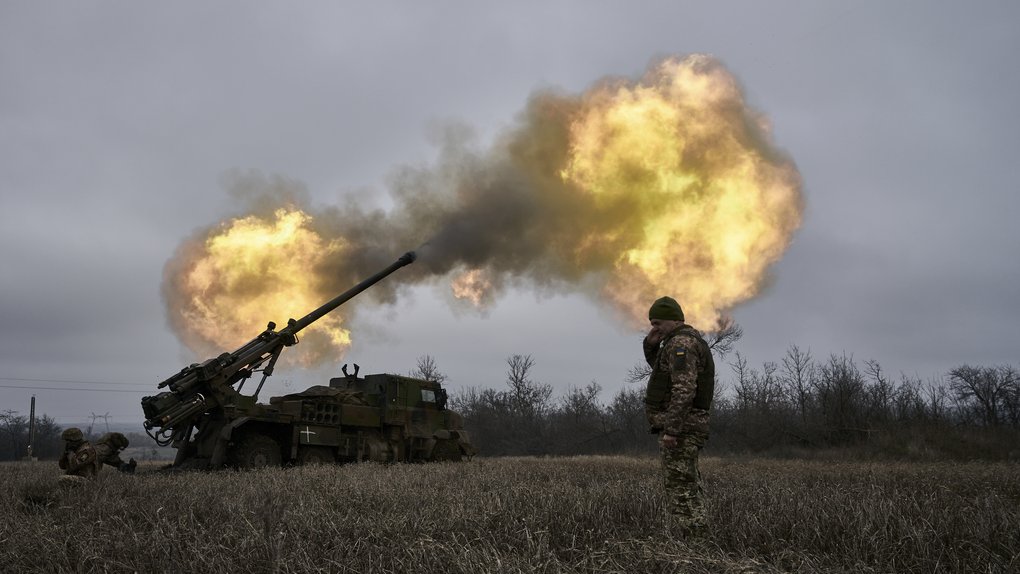
The fuel crisis was triggered by Ukrainian drone strikes on Russian oil refineries. According to Reuters, gasoline production in Russia this week fell to 65% of summer consumption levels, while diesel production dropped by nearly 40%.
According to Energy Intelligence, due to the attacks, the utilization rate of Russian refineries has fallen to its lowest level in more than two decades. Officially, fuel sales restrictions are in effect in more than 40 regions of the country; however, according to The Insider’s calculations, various limits and bans have been imposed in virtually all regions of Russia, as well as in the occupied territories of Ukraine.
Read us on Telegram: important topics – without censorship