
Up to 60,000 troops in the event of war with Russia: how NATO plans to defend the Baltic states
26 May 23:25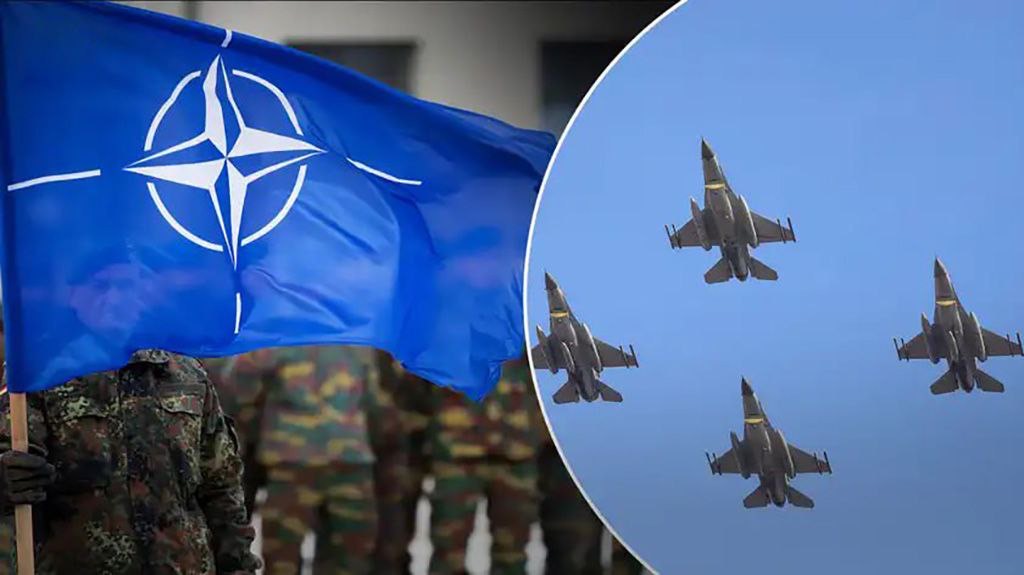
NATO plans to strengthen the defense of its eastern flank and change its command structure to enable faster troop deployment in the Baltic states. According to Reuters, the Alliance is preparing a new defense model for Latvia and Estonia in the event of a potential war with Russia, reports [Komersant]
As two sources told the agency, Germany and the Netherlands, in coordination with NATO, have agreed to assign the German-Dutch Corps to the defense of Latvia and Estonia. The corps headquarters is located in Münster, Germany.
What exactly is NATO planning?
Currently, NATO troops in the three Baltic states and northern Poland are under the command of a single multinational headquarters in Szczecin, Poland. Now the Alliance wants to add another corps to the region to deploy forces more quickly in the event of a threat.
According to one military official, this move will allow NATO to ensure “mass with speed,” meaning it can quickly concentrate significant forces in a vulnerable region.
This is particularly important for the Baltic states, which have limited strategic depth. In the event of a major conflict, the speed of troop deployment could be critical.
Which countries will be responsible for the defense of Latvia and Estonia
Germany and the Netherlands are set to play a key role in the new structure. They have agreed to deploy a German-Dutch corps to defend Latvia and Estonia.
This corps is based in Münster. When fully deployed, an army corps can typically command three divisions—that is, approximately 40,000–60,000 troops.
In peacetime, it generally functions as a basic command structure with specialized units—artillery, air defense, medical services, and other elements necessary for the rapid deployment of troops if needed.
Why the Baltics Have Become a Priority for NATO
The Baltic states—Latvia, Lithuania, and Estonia—have been in NATO’s focus since Russia’s full-scale invasion of Ukraine. Their geographic location makes the region one of the most vulnerable on the Alliance’s eastern flank.
NATO already has forces in the Baltic states and Poland, but the new structure is intended to make defense planning faster and more flexible.
Reuters notes that the change in command underscores the strategic importance of the Baltics to the Alliance.
What forces need to be built up
According to Reuters sources, the agreement became possible after the removal of the final obstacle—a shortage of corps-level forces.
These capabilities include:
- long-range artillery;
- air defense;
- engineering units;
- medical services;
- other elements of rapid deployment support.
Germany and the Netherlands, together with other partners, must build up these forces.
Europe is taking on more responsibility for security
The strengthening of Baltic defense comes against the backdrop of broader changes in European security policy. European NATO allies are increasingly speaking of the need to take greater responsibility for their own defense.
Reuters attributes this, in particular, to criticism from U.S. President Donald Trump, who accused European NATO members of failing to sufficiently support the U.S. in the war with Iran and announced the withdrawal of 5,000 American troops from Germany.
This is increasing pressure on European members of the Alliance and forcing them to invest more actively in their own defense capabilities.
What Germany, the Netherlands, and NATO are saying
The Dutch Ministry of Defense confirmed that the issue of the deployment is “currently being further reviewed,” but did not provide details.
The German Ministry of Defense declined to comment, citing ongoing coordination with NATO. NATO itself stated that it would respond later.
It is not yet known exactly when the new structure will become operational or how many troops could be assigned to the new headquarters in the event of a conflict.
The Russian Threat and NATO Forecasts
NATO officials have been warning for several years about the growing threat from Russia. According to the Alliance’s assessments, Moscow could potentially be capable of a large-scale attack on allied territory as early as 2029.
Russia denies such intentions and accuses NATO of escalating tensions through the Alliance’s expansion and increased presence near Russian borders.
What the decision means for Ukraine
For Ukraine, this news is significant in the broader context of European security.
The strengthening of NATO’s eastern flank shows that the allies are taking the risks associated with Russia more seriously and are preparing for rapid response scenarios.









