There are calls to eliminate cashback in favor of business compensation: what the new initiative entails
17 August 20:46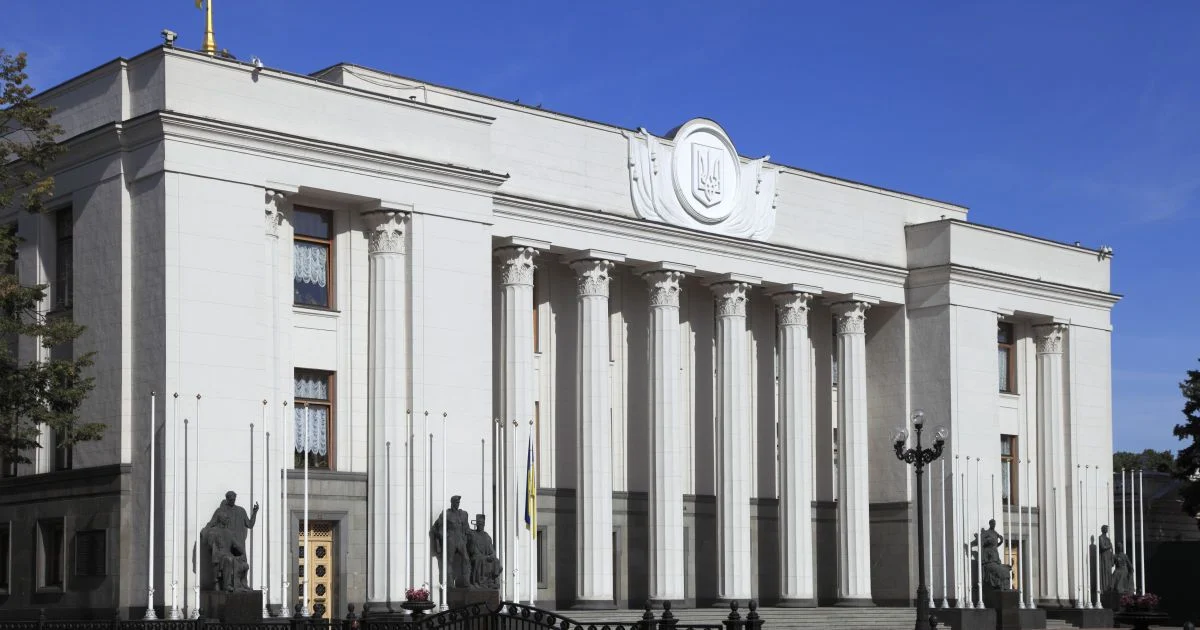
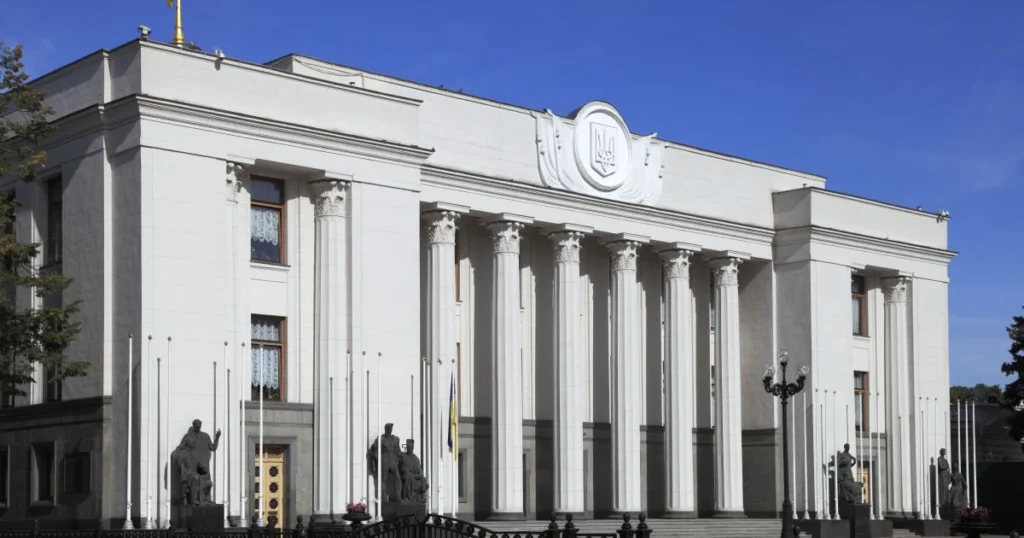
Bill No. 15512 has been introduced in parliament and is likely to become one of the most widely discussed economic initiatives. Lawmakers are proposing to halt funding for “domestic demand support” programs — better known as“national cashback”—and redirect those funds toward direct compensation covering 50% of the cost of goods destroyed as a result of Russian shelling. This is reported by [Komersant], citing the State Youth Union.
After attacks on warehouses and logistics centers, businesses are often left to deal with lost goods and working capital on their own. The bill proposes changing this approach— by providing for compensation from the budget for the cost of damaged or destroyed goods. The document was registered with the Verkhovna Rada on August 14, 2026.
The bill proposes to allocate funds already held in a special state budget fund to compensate businesses. This refers to the balance of funds as of January 1, 2026, which was formed through a single contribution to the compulsory state social insurance system for unemployment. The proposed amendments are to be made to Article 24 of the Law on the State Budget of Ukraine for 2026.
The authors propose redirecting the unused financial resources toward the recovery of businesses that have lost goods due to Russian attacks. In other words, instead of abstractly stimulating demand, the funds should go to entrepreneurs who have already suffered direct property losses.
50% compensation for destroyed goods
The amount of compensation is explicitly stated in the draft: 50% of the value of goods that were damaged or destroyed as a result of hostilities, sabotage, or terrorist acts.
The authors of the bill propose using funds remaining in a special state budget fund for this purpose. According to data cited in the explanatory materials, 1.175 billion UAH was allocated for programs to support domestic demand, of which approximately 702 million UAH was actually used. It is proposed that a portion of the unused funds be directed toward compensating businesses for their losses.
It is worth noting that the bill does not provide for the automatic reimbursement of 50% of the value of destroyed goods. It merely establishes the legal framework for future payments, while the specific mechanism is to be determined by the Cabinet of Ministers.
The government must also approve a list of goods eligible for compensation, the procedure for verifying that they have been damaged or destroyed, and the process for determining the amount of compensation. It must also establish a mechanism to prevent double compensation, particularly in cases where insurance payments or assistance from other sources have already been received.
The procedure for verifying losses will be one of the key components of the future mechanism, as it will determine how effectively the system protects budget funds from abuse.
From “Cashback” to Compensation for Actual Losses
In the explanatory note, the authors of the bill question the effectiveness of directing budget resources exclusively toward stimulating domestic demand. Instead of cashback, they propose redirecting funds to businesses that have already suffered direct property losses due to the war.
This represents a shift in the focus of state support —from stimulating consumption to preserving capital and restoring business operations following the destruction of inventory.
The bill could become a truly important tool for supporting businesses that have lost inventory due to Russian attacks. The proposed 50 percent compensation is intended to help businesses replenish working capital, purchase new raw materials or goods, and preserve jobs.
At the same time, the effectiveness of the mechanism will depend on how exactly the Cabinet of Ministers regulates the procedure for verifying losses and receiving funds.
Watch us on YouTube: important topics – without censorship