
Competition in defense: how to avoid spoiled mines and ensure stable procurement
21 March 2025 09:42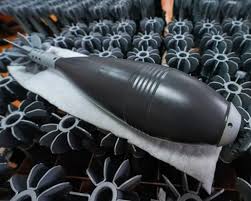
Excessive concentration of orders for the supply of ammunition with one manufacturer/supplier can create problems for the systematic and uninterrupted supply of ammunition. This is emphasized in an appeal distributed by the Public Anti-Corruption Council under the Ministry of Defense, according to
Representatives of the Anti-Corruption Council posted their message on Facebook after they learned about the decision of the relevant institutions to order a large volume of 120-mm mortar shells from state-owned manufacturers who have repeatedly failed to fulfill their obligations.
According to the anti-corruption activists, it is the presence of several players in the market that will allow simultaneous development of Ukraine’s defense industry and minimize the risks of availability/quality of ammunition.
“The decision to additionally purchase a significant number of mortar shells from factories that failed to fulfill even 50% of previous contracts for a similar type of ammunition creates significant risks for supplying the front line,” the Public Anti-Corruption Council at the Ministry of Defense said in a statement.
It also draws attention to the fact that despite significant violations of the 120-mm mortar shell delivery schedules, despite complaints about previously delivered shells, and despite a public scandal and, as a result, public promises by officials of various levels, according to the Public Anti-Corruption Council, no one has been held accountable in any form.
What do anti-corruption activists propose?
The Public Anti-Corruption Council appeals to the Supreme Commander-in-Chief’s Staff to:
1. Consider a proposal to oblige procurers to diversify procurement of ammunition from different manufacturers in order to avoid a situation in which an unscrupulous manufacturer (supplier), force majeure or logistical delays can completely disrupt the supply of a particular type of ammunition to the front;
2. To demand from law enforcement agencies and the Ministry of Defense the results of the investigation into the supply of low-quality 120-mm mines by state-owned factories;
3. To oblige the responsible persons to publicly announce the number of complaints and ammunition that have been returned to the manufacturer.
The Public Anti-Corruption Council of the Ministry of Defense also reported that it is filing a criminal complaint with law enforcement agencies regarding the improper actions of officials around the issue of interaction with suppliers.
As a reminder, the scandal with the supply of a batch of low-quality 120-mm mines to the Armed Forces occurred in the fall of 2024. The military reported that the batch of ammunition for 10 shots had only 1 mine explosion.
The Ministry of Strategic Industries then issued an order to conduct an inspection involving officials from the Ministry of Strategic Industries, the Ministry of Defense, the manufacturer, the Armed Forces Research Institute, and the Security Service of Ukraine. The working group worked from November 11-15 and concluded that there was indeed an abnormal operation of several components of the product. As a result, some of the shots were of inadequate quality.
According to the Ministry of Strategic Industries, approximately 24,000 120-mm caliber mines from the Ukrainian manufacturer were subject to return, which turned out to be defective.
At the same time, it was reported that the State Bureau of Investigation had opened a criminal investigation into the facts.
The Ministry of Defense, for its part, also promised to improve the quality control process for ammunition. This means strengthening the monitoring of storage conditions and improving inspection procedures at all stages: from production and storage to delivery to the front line.
According to the sources of Dzerkalo Tyzhnia and Ukrayinska Pravda, the military leadership immediately had doubts that the Ukrainian plant, which promised to produce 500,000 mines for the Armed Forces at the beginning of the year, was capable of fulfilling this task. The batches of mines from the manufacturer were delivered late and in smaller quantities than had been stated when the contract was signed. Reports of defective ammunition appeared only in the fall.










