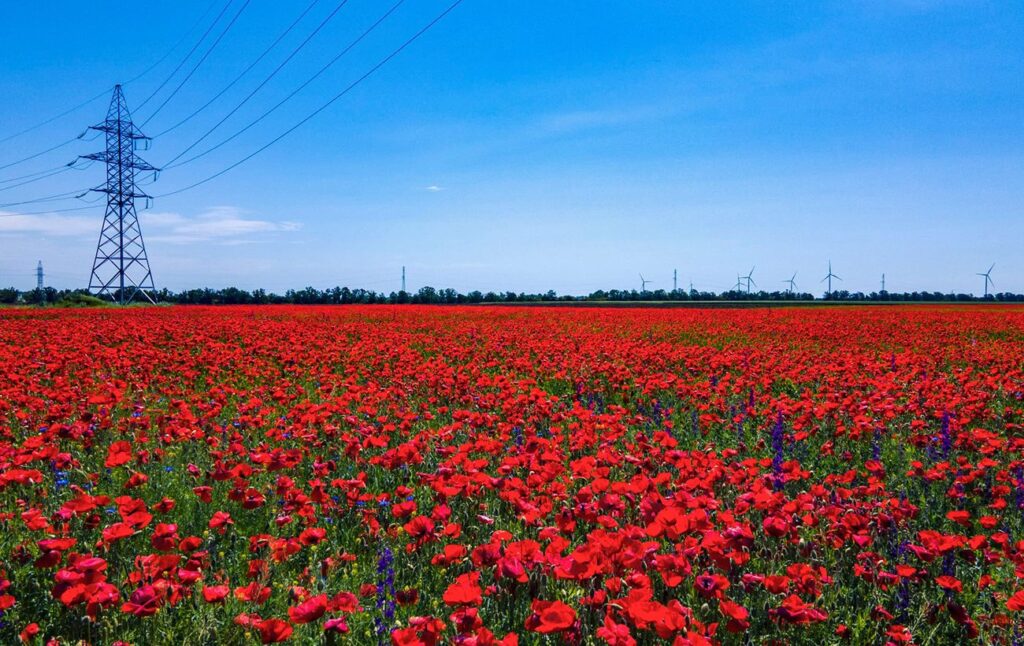
In Lviv Oblast, a farmer cleared a popular poppy field to ensure a future harvest
10 June 15:22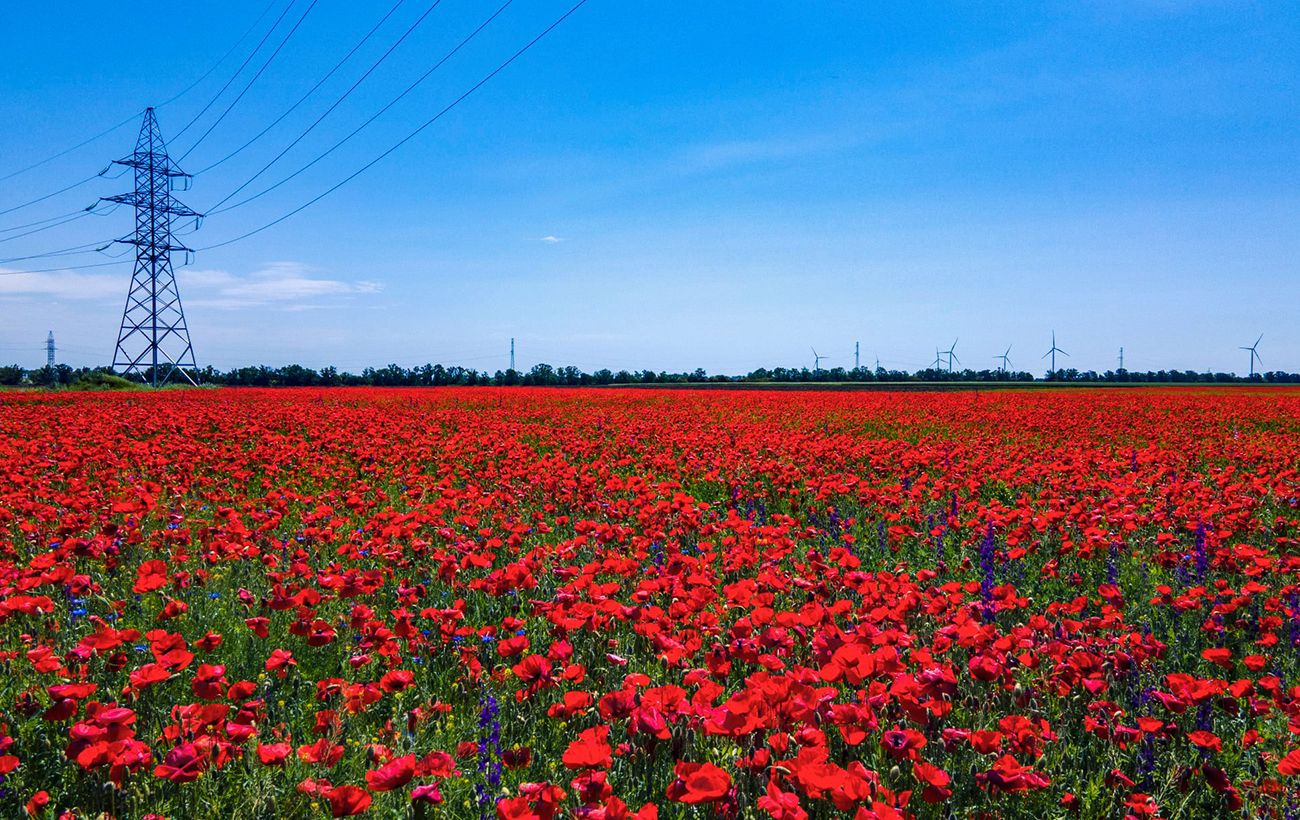
Agricultural entrepreneur Serhiy Shelemba, who runs a farm near the village of Ozhydiv in the Zolochiv district of Lviv Oblast, carried out a scheduled disc harrowing of a field infested with wild poppies, according to
Recently, this location has gained significant popularity among local photographers and bloggers, sparking a wave of discussion on social media following the fieldwork. In a comment to ZAXID.NET, the farm owner denied rumors that the removal of the plants was due to financial losses from the influx of tourists, and explained the action as purely a technical process. According to the farmer, the poppies on this plot served as “green manure”—crops grown exclusively to improve soil structure and enrich it with nutrients before the main planting season.
“We planted green manure to improve soil quality. We’ve now harrowed the field, and the green matter has been tilled into the soil to decompose and enrich it with micronutrients. The next step is to plant beans—a more economically and agronomically beneficial crop,” explained Serhiy Shelemba.
A systemic problem: “Instagram tourism” versus agribusiness
A number of experts commented
“I think that in all my time working in agriculture, this has always been the case. It happened before, and it has always been happening. People really love these locations for photos. When the fields are planted with rapeseed, they bloom, and you can take very beautiful photos there. There are often many such visitors, so to speak. People also love to take photos when sunflowers start to bloom; they take such interesting pictures,” said Leonid Kozachenko, president of the Ukrainian Agrarian Confederation.
Read us on Telegram: important topics – without censorship
With the start of the summer season, Ukrainian farmers regularly face an unauthorized influx of content hunters. However, while there were no losses in the poppy field situation due to the plants’ green manure status, in other cases, chaotic domestic tourism causes real financial losses for businesses.
“If it’s a small farm with, say, even 50 hectares of land, it’s noticeable. If it’s an agricultural holding with 50,000 hectares instead of 50, such losses don’t cause major problems. But still, they happen, and they shouldn’t. In Ukraine, this is a common occurrence; in the European Union, such actions are severely punished,” explains Kozachenko.
In particular, dozens of cases of damage to commercial crops are recorded in Ukraine every year. For example, to take “golden wheat” photos, visitors trample deep paths through the crops. This leads to lodging of the grain and directly reduces the yield of the fields. Rapeseed and sunflower fields suffer no less damage. Attempts to walk through dense commercial crops break the plant stems, causing direct losses to farms that have invested significant funds in fertilizers and seed.
Against this backdrop, a separate market for specialized commercial photo zones has emerged in Ukraine (lavender, tulip, and peony fields with predictable, solvent demand and admission tickets) that are adapted to human traffic.
“So it’s better for bloggers looking for content to go there rather than to farmers’ fields. And there are special facilities and areas set up specifically so that people who want to take photos there can come and do so without damaging the crops. We have some interesting places near Kyiv that people visit specifically to take photos, and they’re designed for that purpose. Dobropark, for example,” notes Kozachenko.
However, to access these flower-filled locations specially equipped for photography, you have to pay. For example, a ticket to Dobropark costs 500 UAH for an adult and 350 UAH for a child. Discounts are available for eligible groups.
The owner of the poppy field, which people have been using extensively as a photo spot, entrepreneur Serhiy Shelemba, separately denied reports that appeared in some media outlets claiming that he had complained about damage caused by visitors. At the same time, he personally views recreational photo sessions with skepticism during these difficult times.
“The reports about my complaints are untrue; no one has spoken to me about this. At the same time, I am surprised that during a full-scale war, when soldiers are dying on the front lines, posting beautiful photos remains a priority for people. I believe that now is not the time for such photo shoots. However, this is a matter of personal choice,” the farmer concluded.
Earlier, social media users and local news outlets reported that tourists and residents of the Lviv region were destroying a poppy field in their pursuit of good photos.
Watch us on YouTube: important topics – without censorship