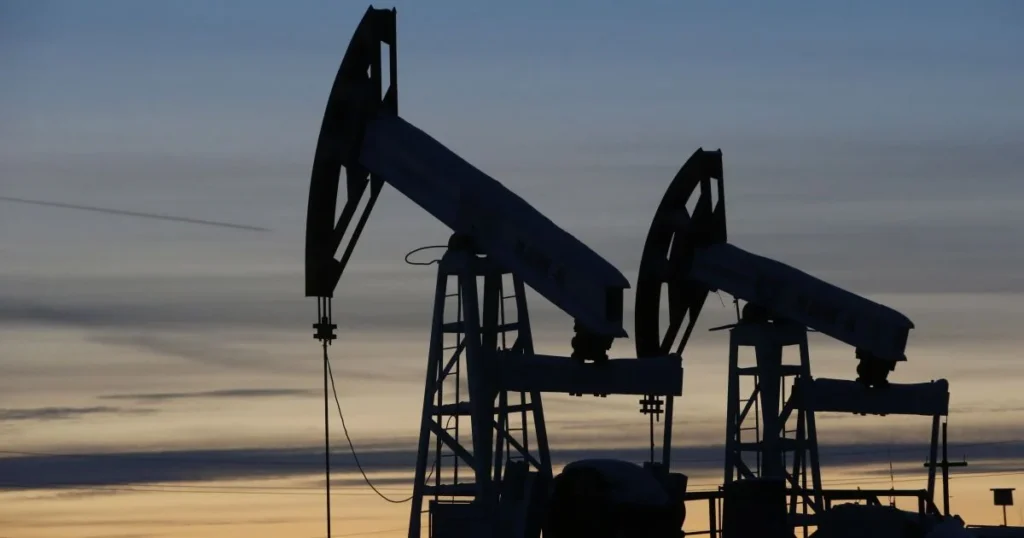
Oil broke through $100 following Trump’s statement: the market is already bracing for a jump to $139
24 July 09:41
Global oil prices have once again surpassed the psychological threshold of $100 per barrel. Brent crude prices rose sharply due to attacks by Yemeni Houthis on Saudi tankers, the threat of disruptions to energy supplies, and statements by U.S. President Donald Trump about a possible large-scale attack on Iran.
On Thursday, July 23, Brent futures rose by about 7% and closed at $100.69 per barrel. During the Asian trading session on Friday, July 24, prices hovered around $100.50.
This was reported by the Financial Times and Reuters, according to "Komersant Ukrainian"
Why Oil Prices Surpassed $100
The main reason for the sharp spike in oil prices was the escalation of tensions in the Middle East. The Iran-backed Houthis in Yemen claimed responsibility for attacks on two Saudi oil tankers and announced a naval blockade of supplies from Saudi Arabia.
The attacks created an additional threat to shipping through the Bab el-Mandeb Strait, which connects the Red Sea to the Gulf of Aden. This route is strategically important for the transport of oil and other cargo between Asia and Europe.
Combined with the unstable situation around the Strait of Hormuz, this has heightened fears that a significant portion of global energy supplies could be at risk. According to Reuters estimates, about a quarter of the world’s oil supplies pass through the Strait of Hormuz and the Bab el-Mandeb Strait combined.
Trump is considering a large-scale attack on Iran
Statements by U.S. President Donald Trump have put additional pressure on the market. He announced that he is close to deciding on a new massive attack on Iran, which could be larger in scale than previous U.S. operations.
According to Trump, the United States is prepared to act even without the participation of its allies. These statements have heightened investors’ fears that the conflict between the U.S. and Iran is entering a new phase.
The U.S. president also warned Iran that it would be held responsible for any further Houthi attacks on commercial and oil tankers.
How Much Have Brent and WTI Prices Risen?
At the close of trading on July 23:
- Brent rose 7% to $100.69 per barrel;
- U. S. WTI crude rose 6.2% to $92.19 per barrel;
- during the session, Brent prices rose to approximately $102.
Oil prices have been rising for several consecutive trading sessions. The increase comes amid a reduction in safe supply routes, attacks on tankers, and the risk of a broader conflict in the Middle East.
Could oil prices rise to $139–147?
Market participants do not rule out further price increases if attacks on ships continue and the conflict between the U.S. and Iran escalates.
According to estimates cited by the Financial Times, a protracted escalation could push prices above $139 per barrel —a level the market reached after the start of Russia’s full-scale invasion of Ukraine in 2022.
If key oil routes are significantly disrupted, the price could approach the historic high set in 2008—around $147 per barrel. However, this is a risk scenario, not the baseline forecast.
According to Reuters, Goldman Sachs anticipates Brent could rise above $120 if serious supply disruptions persist.
Why High Oil and Fuel Prices Pose a Risk of New Inflation
Rising oil prices affect more than just the cost of gasoline and diesel fuel. They increase costs for transportation, manufacturing, air travel, agriculture, and the supply of goods.
As a result, the following may become more expensive:
- food;
- transportation services;
- airfare;
- goods delivery;
- industrial goods;
- utility and energy services.
The European Central Bank, while leaving interest rates unchanged, warned that the full inflationary impact of the new energy shock may not be felt until later.
Investors also fear that central banks will have to keep rates high for longer or resume raising them to curb inflation.
The U.S. stock market plummeted
The spike in oil prices triggered a massive sell-off in the U.S. stock market.
At the close of trading on July 23:
- the Nasdaq Composite Index fell 2.2%;
- theS&P 500 fell by 1.2%;
- the Dow Jones index lost about 1%.
The technology sector was hit particularly hard due to investors’ lackluster reaction to the financial results of major companies. Tesla shares plummeted by about 15%, while Alphabet shares fell by 7%.
U.S. indices ended the day with their worst decline in about a month.
What’s Happening with Bonds
Amid fears of a new wave of inflation, investors also sold U.S. Treasury bonds. As a result, their yields rose.
The market expects that high oil prices could force the Federal Reserve and other major central banks to reconsider their plans to ease monetary policy.
Higher interest rates mean more expensive loans for businesses and households, and could also slow economic growth.
Watch us on YouTube: important topics – without censorship
Will Fuel Prices Rise in Ukraine?
Global oil prices are one of the main factors determining the cost of gasoline and diesel fuel in Ukraine. However, price changes at Ukrainian gas stations do not usually occur immediately.
Retail prices are also influenced by:
- the hryvnia’s exchange rate against the dollar and the euro;
- purchase prices for petroleum products in Europe;
- logistics costs;
- taxes and excise duties;
- fuel inventories held by traders;
- competition among gas station chains.
If Brent remains above $100 for an extended period, wholesale prices for gasoline and diesel may rise. This will eventually create the conditions for a price adjustment at Ukrainian gas stations.
At the same time, a short-term spike in oil prices will not necessarily lead immediately to a corresponding increase in retail fuel prices.
What Will Happen to Oil Prices Next
Future trends in the oil market will depend on the development of the conflict in the Middle East and the safety of shipping.
Prices may continue to rise in the event of:
- new attacks on oil tankers;
- a blockade of the Bab el-Mandeb or Strait of Hormuz;
- a large-scale U.S. strike on Iran;
- damage to oil infrastructure;
- a reduction in exports from Persian Gulf countries.
Prices could be kept in check by a de-escalation of the conflict, the restoration of safe shipping, and an increase in production by OPEC countries. Key members of the alliance are already discussing the possibility of further ramping up production in September.
Read us on Telegram: important topics – without censorship