Fever, leg pain, and kidney problems: A rare infection has been confirmed in the Lviv region
24 July 04:58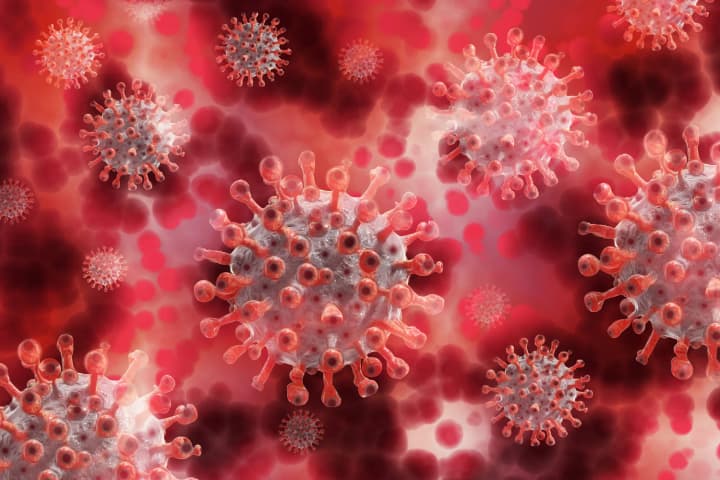
A case of hantavirus infection has been laboratory-confirmed in the Lviv region. The disease was detected in a 53-year-old resident of Stryi who had been vacationing in Croatia.
This was reported by the Lviv Regional Center for Disease Control and Prevention, according to "Komersant Ukrainian"
“A 53-year-old resident of Stryi has been diagnosed with hemorrhagic fever with renal syndrome caused by the hantavirus. The illness began on July 12 with a fever of 38.6°C, chills, headache, nausea, loss of appetite, and pain in the calf muscles,” the doctors stated.
Subsequently, on July 15, the man sought treatment at the Lviv Regional Infectious Diseases Clinical Hospital, where he was admitted with a preliminary diagnosis of “unspecified bacterial infection.”
The biological material was tested by the laboratory for highly dangerous infections at the Lviv Regional Center for Disease Control and Prevention. According to the laboratory test results:
- no antibodies to Leptospira interrogans (leptospirosis) were detected in the blood serum;
- Leptospira interrogans (leptospirosis) DNA was not detected in the urine;
- hantavirus RNA was detected in the blood serum using PCR.
“From July 1 to July 7, the man was on vacation in Croatia on the Makarska Riviera, where he swam in the Adriatic Sea. He traveled by car. On July 11, the man traveled through the mountainous regions of Ivano-Frankivsk Oblast. On his way home, he stopped in the village of Kam’yanka in Stryi District, where he washed his hands in the Kam’yanka River,” the experts reported.
According to the experts, the patient denied having had contact with rodents, their nests, or their excretions; staying in basements; or consuming food or water that could have been contaminated by rodent excretions.
“At this time, the specific location and circumstances of the infection have not been established. Swimming in the sea and washing hands in the river were noted as part of the epidemiological history, but are not confirmed as the route of infection. Anti-epidemic and preventive measures are being carried out at the patient’s place of residence. The epidemiological investigation is ongoing,” the medical professionals added.
What Is a Hantavirus?
Hantaviruses are a group of viruses whose natural hosts are primarily rodents. Humans can become infected after coming into contact with infected animals or their urine, feces, and saliva.
According to the World Health Organization, hantavirus infections can range in severity from a relatively mild illness to severe damage to the kidneys, lungs, and cardiovascular system.
In Europe and Asia, hantaviruses most commonly cause hemorrhagic fever with renal syndrome. This condition is characterized by fever, vascular disorders, and acute kidney damage.
How Hantavirus Is Transmitted
Most often, people become infected through particles of secretions from infected rodents.
The main routes of infection are:
- inhaling dust contaminated with rodent urine, feces, or saliva;
- touching contaminated surfaces and then touching the eyes, nose, or mouth;
- consuming contaminated food or water;
- rodent secretions coming into contact with broken skin;
- less commonly, a bite from an infected animal.
The risk may arise while cleaning basements, sheds, summer cottages, garages, warehouses, and other premises where mice or rats may have been present for an extended period.
Is the hantavirus transmitted between people?
Most known hantaviruses are not transmitted from person to person. Therefore, routine contact with an infected patient generally does not pose as much of a risk as contact with rodents and their secretions.
An exception is certain strains of the Andes virus, which are prevalent mainly in South America. For these strains, there have been rare reports of transmission during close contact with a person exhibiting symptoms. At this time, there is no information on which specific strain of hantavirus was detected in the resident of Stryi.
What are the symptoms of a hantavirus infection?
The onset of the disease often resembles the flu, COVID-19, leptospirosis, or another acute infection. For this reason, it is impossible to determine the cause based solely on the initial symptoms.
Early symptoms may include:
- high fever;
- chills;
- severe weakness;
- headache;
- muscle pain, especially in the legs, hips, or back;
- nausea;
- vomiting;
- abdominal pain;
- loss of appetite.
If the infection causes hemorrhagic fever with renal syndrome, the following symptoms may develop later:
- lower back pain;
- decreased urine output;
- edema;
- drop in blood pressure;
- kidney dysfunction;
- bleeding or other hemorrhagic manifestations.
Some types of hantaviruses can affect the lungs. In such cases, after initial flu-like symptoms, a cough, shortness of breath, and a feeling of tightness in the chest may develop.
How long does it take for symptoms to appear?
The length of the incubation period depends on the specific type of hantavirus. Symptoms may not appear immediately but several weeks after exposure.
For certain hantaviruses, particularly the Andes virus, the U.S. Centers for Disease Control and Prevention cite a period of 4 to 42 days after infection. Other sources cite a wider range for hantavirus infections—approximately one to eight weeks.
How Dangerous Is the Hantavirus?
The severity of the disease depends on the type of virus, the form of infection, the patient’s overall health, and how promptly medical care is sought.
According to the WHO, the case-fatality rate for hantavirus infections in Europe and Asia can range from less than 1% to 15%. For severe cardiopulmonary forms, which are more commonly reported in the Americas, this rate can be significantly higher.
These figures do not mean that every hantavirus infection carries an equally high risk of death. The rates vary significantly depending on the specific type of virus and the clinical form of the disease.
Is there a vaccine or specific treatment?
In Europe, there is no vaccine against hantaviruses approved for widespread use. Nor is there a single specific antiviral treatment effective against all strains of these viruses.
Treatment is primarily aimed at supporting the body’s functions and managing complications. In severe cases, a patient may require treatment in an intensive care unit, respiratory support, or care for acute kidney injury.
Seeking medical care early and receiving timely supportive therapy improve the chances of recovery.
How to Protect Yourself from Hantavirus
The main preventive measure is to avoid contact with rodents and to safely clean areas where their excretions may have been left.
Experts recommend:
- store food in airtight containers;
- do not consume food showing signs of rodent damage;
- seal off openings through which mice can enter your home;
- conduct regular rodent control;
- wear gloves when cleaning basements, sheds, and summer cottages;
- Ventilate enclosed spaces before cleaning;
- Do not sweep up or vacuum dry rodent droppings;
- First, moisten contaminated surfaces with a disinfectant solution;
- Wash your hands thoroughly after finishing the work.
Dry sweeping can stir up contaminated dust into the air, so potentially hazardous surfaces should be cleaned using a damp method.
When to See a Doctor
You should seek medical attention if, after being in a room with signs of rodent activity or after contact with rodents, you experience a fever, severe muscle pain, nausea, weakness, shortness of breath, swelling, lower back pain, or a decrease in urine output.
It is important to inform your doctor about any possible contact with rodents, cleaning out a basement, shed, or summer cottage, as well as any recent travel. It is impossible to diagnose a hantavirus infection based on symptoms alone—laboratory tests are required for confirmation.