Oil Prices Plummeted by Tens of Dollars: The Reason Behind the Sharp Drop
19 June 08:48
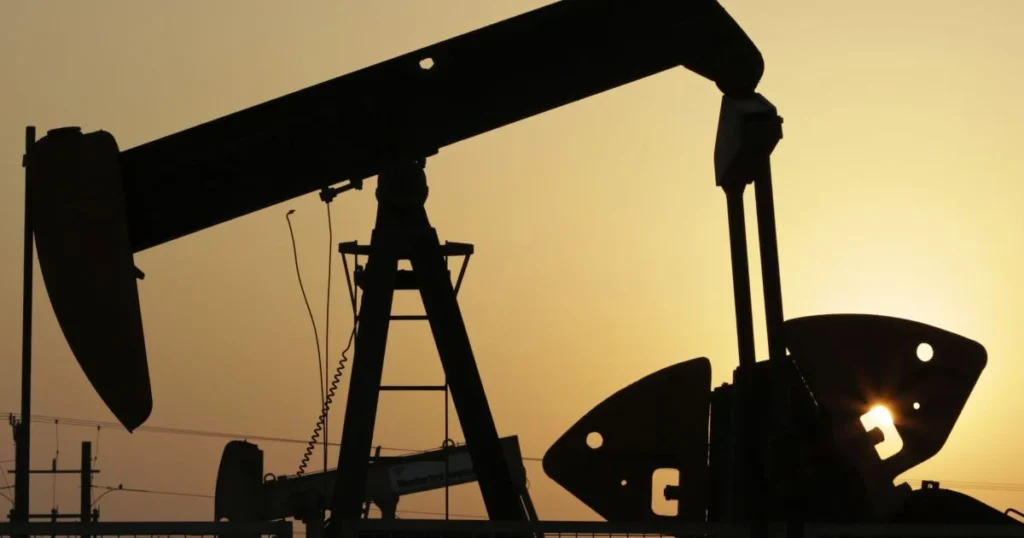
Oil prices on global markets continued to fall following the agreement between the U.S. and Iran and the resumption of shipping traffic through the Strait of Hormuz. According to Trading Economics, U.S. WTI crude oil fell to $74.82 per barrel, dropping below the psychological threshold of $75, reports "Komersant Ukrainian"
The market reacted to the reduced risk of large-scale disruptions to energy supplies from the Persian Gulf.
How oil prices have changed
According to Trading Economics, on June 18, the price of U.S. WTI crude oil fell by approximately 2.6% to $74.82 per barrel.
Brent lost more than 2% and traded at around $77.84 per barrel.
Thus, it was WTI that fell below the $75 mark. The European benchmark, Brent, remained slightly more expensive.
Over the past month, the price of U.S. crude has fallen by more than 28%, while Brent has dropped by approximately 30%.
Why Oil Prices Have Plummeted
The main reason for the price drop was the easing of geopolitical tensions around the Strait of Hormuz.
The U.S. and Iran reached a preliminary agreement to cease hostilities and resume commercial shipping through the strategic maritime route.
Following this, tankers began gradually resuming traffic from the Persian Gulf, and traders reduced the so-called geopolitical premium in oil prices.
Previously, the risk of a prolonged blockade of the strait had forced the market to factor a potential supply shortage into prices.
What the U.S.-Iran Agreement Entails
The interim memorandum provides for a 60-day period of negotiations between Washington and Tehran.
For now, Iran has agreed to ensure free commercial passage through the Strait of Hormuz. The U.S., for its part, is to lift the naval blockade of Iranian ports.
During the negotiation period, the parties plan to discuss the final terms of the conflict resolution, issues related to the nuclear program, sanctions, and the future regime governing the strait.
At the same time, the agreement remains provisional, so investors continue to assess the risk of its collapse.
Why the Strait of Hormuz Is Important for the Oil Market
The Strait of Hormuz is one of the world’s most important maritime routes.
A significant portion of the world’s oil and liquefied natural gas is transported through it. Any navigation issues in this region quickly affect the supply of energy resources and global prices.
During the height of the conflict, the closure of the strait caused a sharp spike in commodity prices. Brent crude rose from around $70 to over $100 per barrel, and at its peak approached $120.
After the agreements were announced, much of this price surge was reversed.
The market expects an increase in supply
The resumption of tanker traffic could return large volumes of oil to the global market that had been blocked in the Persian Gulf.
Analysts expect that the increase in supply will put additional pressure on prices.
Iran may also gradually increase its sales of oil and fuel. This will be an additional factor driving up supply, especially in the Asian market.
At the same time, a full restoration of logistics could take several months due to tanker backlogs, insurance risks, and the need to verify shipping routes.
Could prices fall even lower?
Future price trends will depend on several factors:
- the stability of the agreements between the U.S. and Iran;
- the pace of resuming traffic through the Strait of Hormuz;
- the volume of Iran’s exports;
- demand for oil in the U.S., Europe, and China;
- decisions by OPEC countries;
- the state of the global economy.
If shipping resumes fully and negotiations do not break down, prices may continue to decline.
However, any new escalation in the Middle East could quickly bring back the geopolitical premium and push oil prices higher again.
What to Expect from Fuel Prices
A decline in oil prices usually creates the conditions for a decrease in the wholesale cost of gasoline and diesel fuel.
However, prices at gas stations react with a delay. They are also influenced by:
- exchange rates;
- taxes and excise duties;
- logistics;
- fuel inventories;
- processing costs;
- pricing policies of gas station chains.
Therefore, a sharp drop in oil prices does not mean an immediate decrease in fuel prices for drivers.
Read us on Telegram: important topics – without censorship