Consequences of the Ukrainian Armed Forces’ strikes: St. Petersburg has begun restricting gasoline sales
3 June 16:11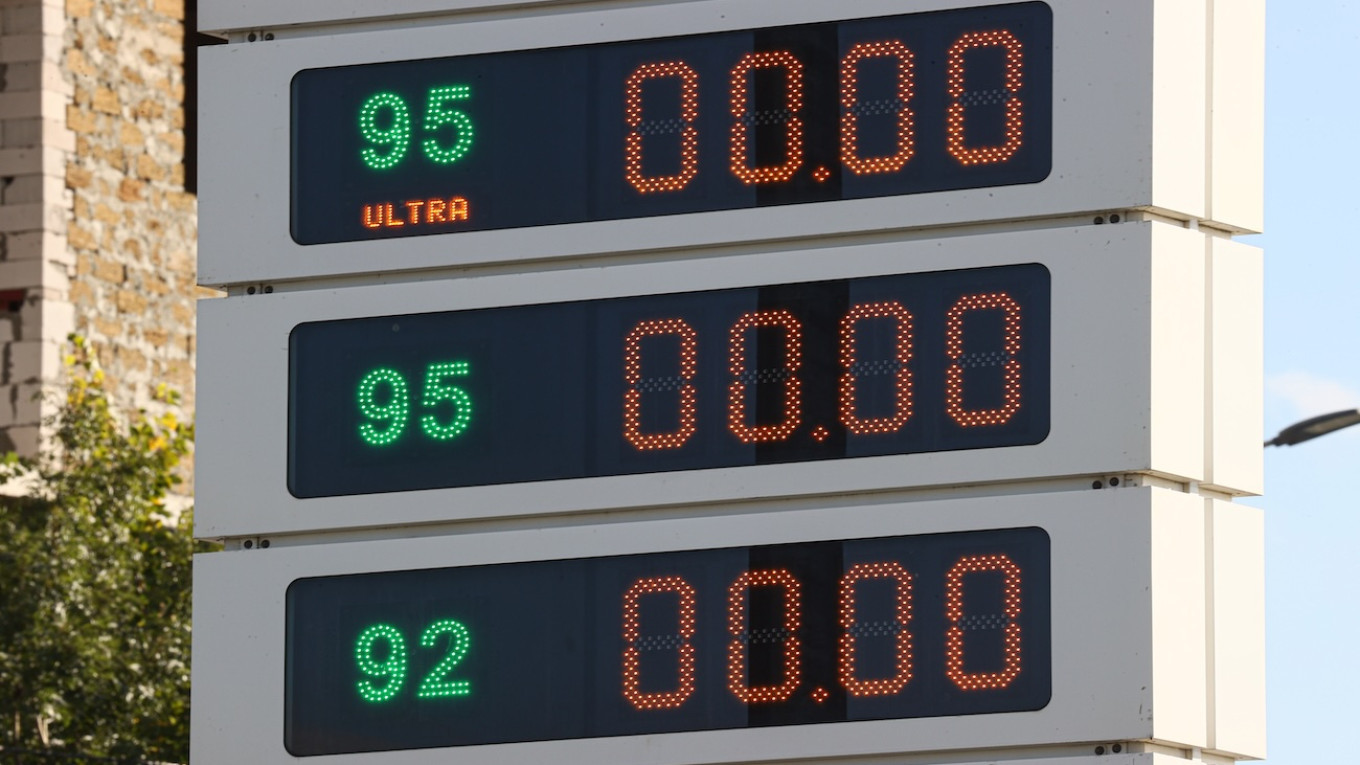
The gasoline supply problems that began last week in Crimea and then spread to New Moscow, the Ryazan, Kursk, and Belgorod regions have now reached St. Petersburg. This is reported by "Komersant Ukrainian", citing Russian propaganda media.
Reports of restrictions on fuel sales at certain gas stations in the region surrounding the northern capital began to appear late last week. In particular, “Kirishiavtoservice”—a network of gas stations operated by the “Kinef” oil refinery located in the Leningrad region—has set a limit of no more than 50 liters per receipt.
The company’s hotline reported that the restrictions were introduced “in connection with recent events.” Limits have also been introduced at some Rosneft gas stations, though they are quite high—95 liters per customer.
“The situation is most difficult for us with AI-95,” the head of one of the large oil depots near St. Petersburg told the media. Gasoline was supplied from “Kinef,” which had been hit by a drone attack back in late March. The plant had halted part of its production and was only able to bring some of the damaged units back online at the end of April. In early May, the plant came under attack again and completely halted the production of petroleum products.
“It’s AI-95 that’s in short supply,” confirms another source; whereas gasoline used to come from the regional plant, it now has to be transported across the Urals. “Rosneft is facing a similar situation in Yaroslavl,” says the head of the oil depot: the regional plant “Slavnafta-YANOS” was attacked three times in May.
In total, since the beginning of the year, Ukrainian UAVs have struck Russian oil refineries 38 times, including 16 times in May, hitting 8 of the 10 largest. In central Russia, according to Reuters, oil refining has practically come to a halt. Central Russia is becoming a problem area because it is difficult to deliver gasoline there, say media sources in the fuel market.
“So far, we are seeing a significant fuel shortage only in Crimea. In the rest of Russia, there are still reserves, but there is also a shortage of current supply. If the situation does not improve, by late July to early August the shortage will already have spread to more regions,” warns one of the journalists’ sources.
Since late March, the government has banned the export of gasoline from the country; as of June 1, it restricted jet fuel exports and increased gasoline purchases from Belarus by 26 times. But despite this, “the fuel market is heating up,” notes economist Kirill Rodionov: supply on the exchange has dropped by a quarter, wholesale prices have jumped by more than 20% since the start of the year, and retail gasoline prices are rising faster than inflation.
The measures taken are clearly insufficient, according to ZMI sources. According to them, the government is currently considering a ban on gasoline exports to EAEU countries.
Watch us on YouTube: important topics – without censorship