Odessa Region May Lose Lake Kytay: How a Strategic Water Body Came to Be on the Verge of Drying Up
20 May 14:40
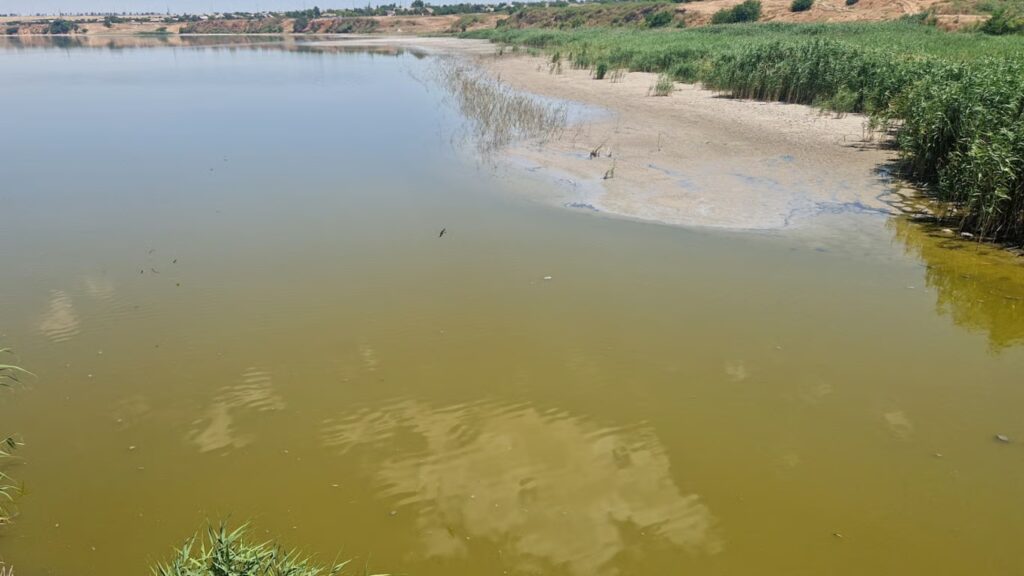
In southern Odesa Oblast, the situation surrounding Lake Kytay—one of the key water bodies in the Izmail District, on which the water balance of several communities, the operation of irrigation systems, and the state of local agriculture depend—is escalating. Deputies of the Izmail District Council have already appealed to the central government regarding the lake’s critical condition and the need for immediate state intervention. "Komersant Ukrainian" investigated the situation with the reservoir and the government’s decisions that have effectively led to an environmental disaster.
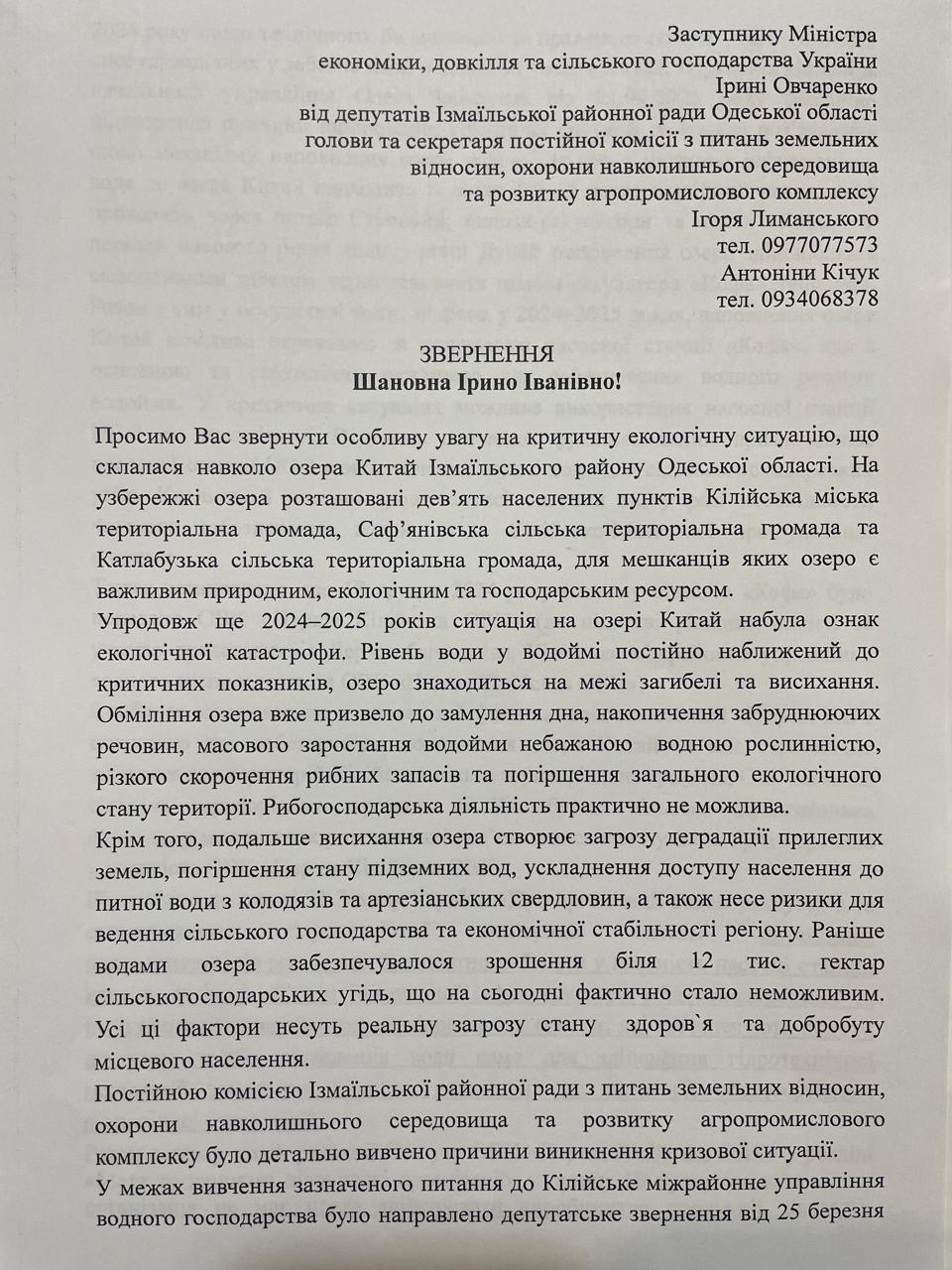
In their appeal to Iryna Ovcharenko, Deputy Minister of Economy, Environment, and Agriculture, the deputies of the Izmail District note that “during 2024–2025, the situation at Lake Kytay has taken on the characteristics of an ecological disaster.” According to them, “the water level in the reservoir is constantly approaching critical levels, ” and the lake itself “is on the verge of dying and drying up.”
“Where there used to be water, a flock of sheep now grazes,” local residents film the state of the lake.

This refers to a body of water located within the territories of the Kiliya, Safyanivka, and Katlabuzh communities. Previously, the lake’s waters provided irrigation for approximately 12,000 hectares of agricultural land. Today, however, as local deputies state in their appeal, this has “become virtually impossible.”
Instead, the consequences of the lake’s shallowing have been:
“silting of the bottom, accumulation of pollutants, massive overgrowth of the lake with unwanted aquatic vegetation, and a sharp decline in fish stocks.”
It is also noted that fishing activities on the lake have become “practically impossible.”
The “Kofa” Pumping Station
The reasons for the lake’s shallowing are quite obvious and are primarily due to decisions made by a number of relevant officials.
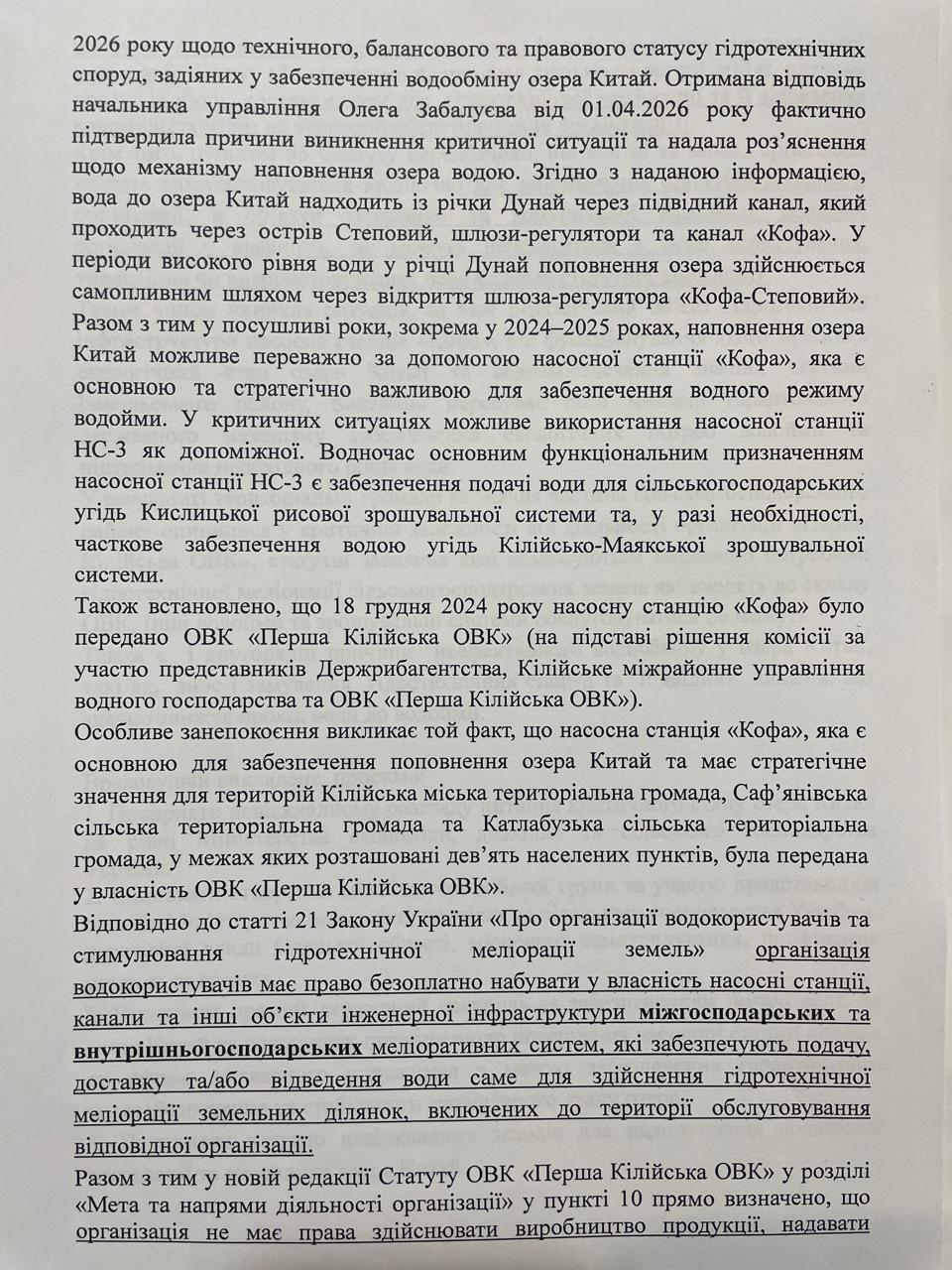
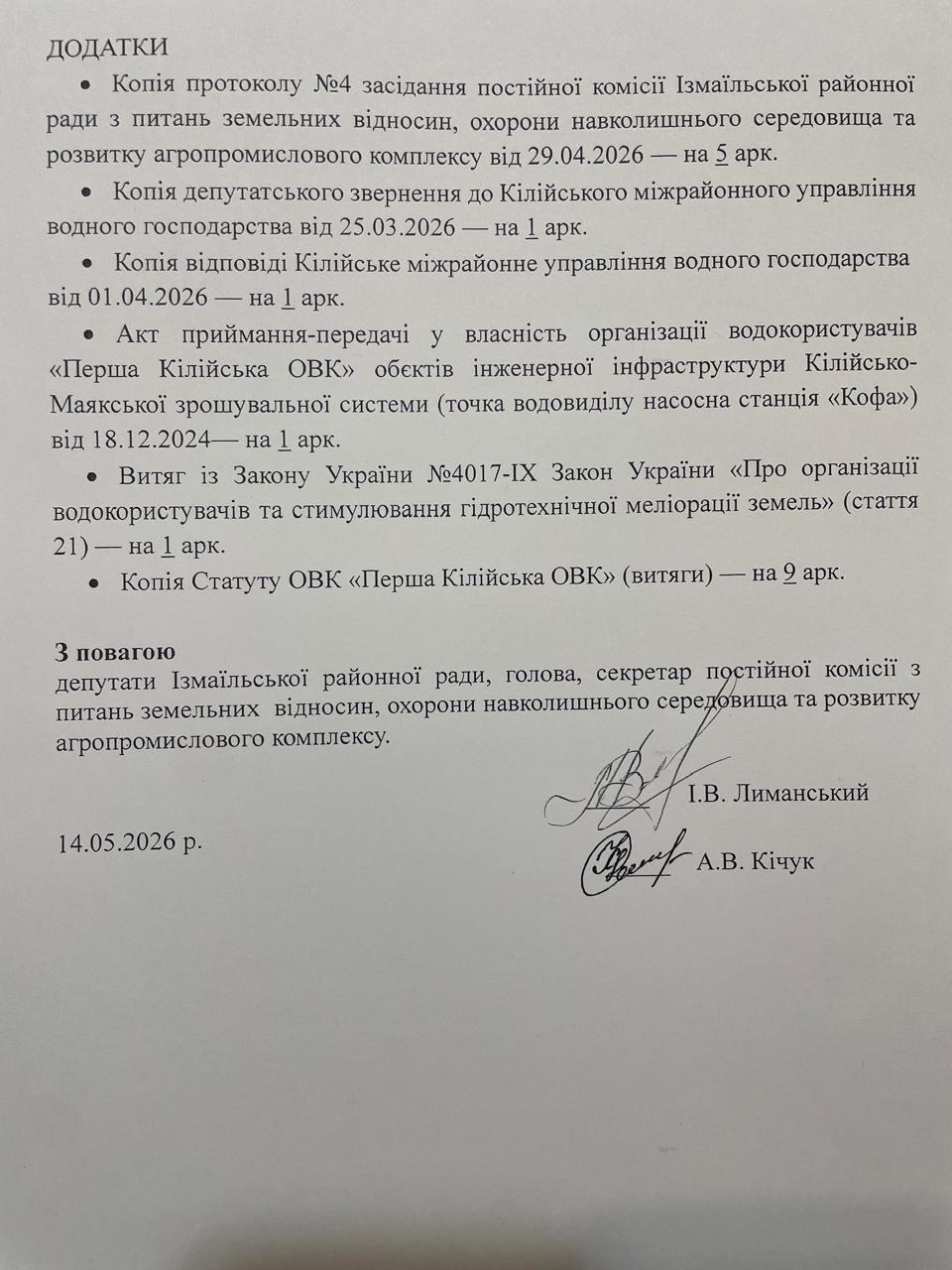
For a long time, the “Kofa” pumping station ensured the replenishment of Lake Kytay with water. However, on December 18, 2024, this station was transferred to the ownership of the WUA (“First Kiliya WUA”—a water users’ organization established as part of the reform of the land reclamation system—ed.). The transfer took place with the participation of representatives from the State Fisheries Agency, the Kiliya Interdistrict Water Management Administration, the Kiliya City Council, and the water users’ organization itself.
This occurred despite the fact that the “Kofa” pumping station is a strategic facility of the hydraulic infrastructure. The ecological condition of Lake Kytay and the water supply for a significant part of the agricultural region directly depended on its operation. However, as a result of the transfer of the station, it effectively fell outside the scope of the state mechanism guaranteeing the ecological needs of the water body.
At the same time, another pumping station—NS-3—which remained on the balance sheet of the Kiliya Interdistrict Water Management Administration, according to deputies, has “significantly lowerproductivity.” Furthermore, during the irrigation season, it is used to supply rice fields in accordance with agreements with water users.
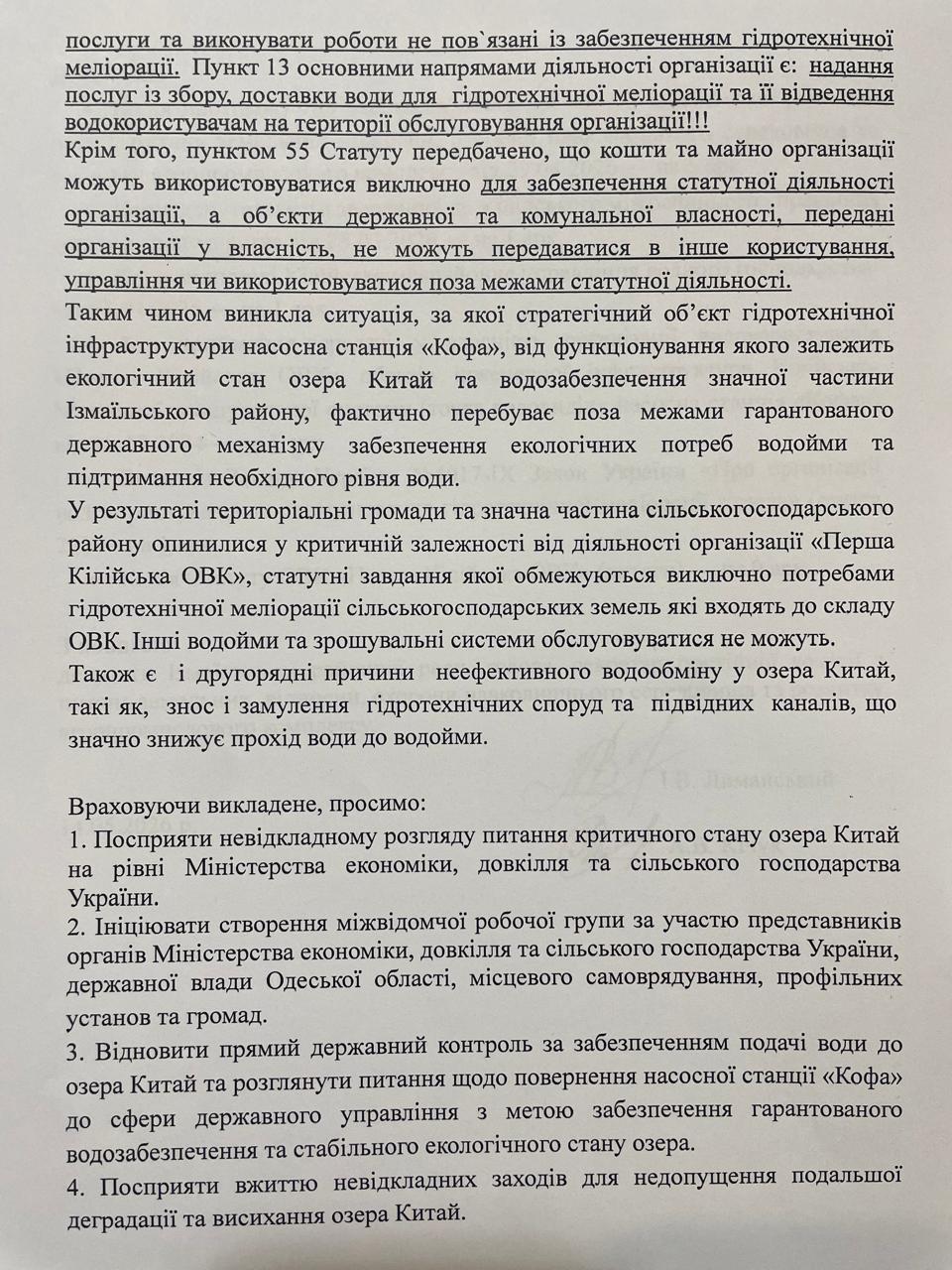
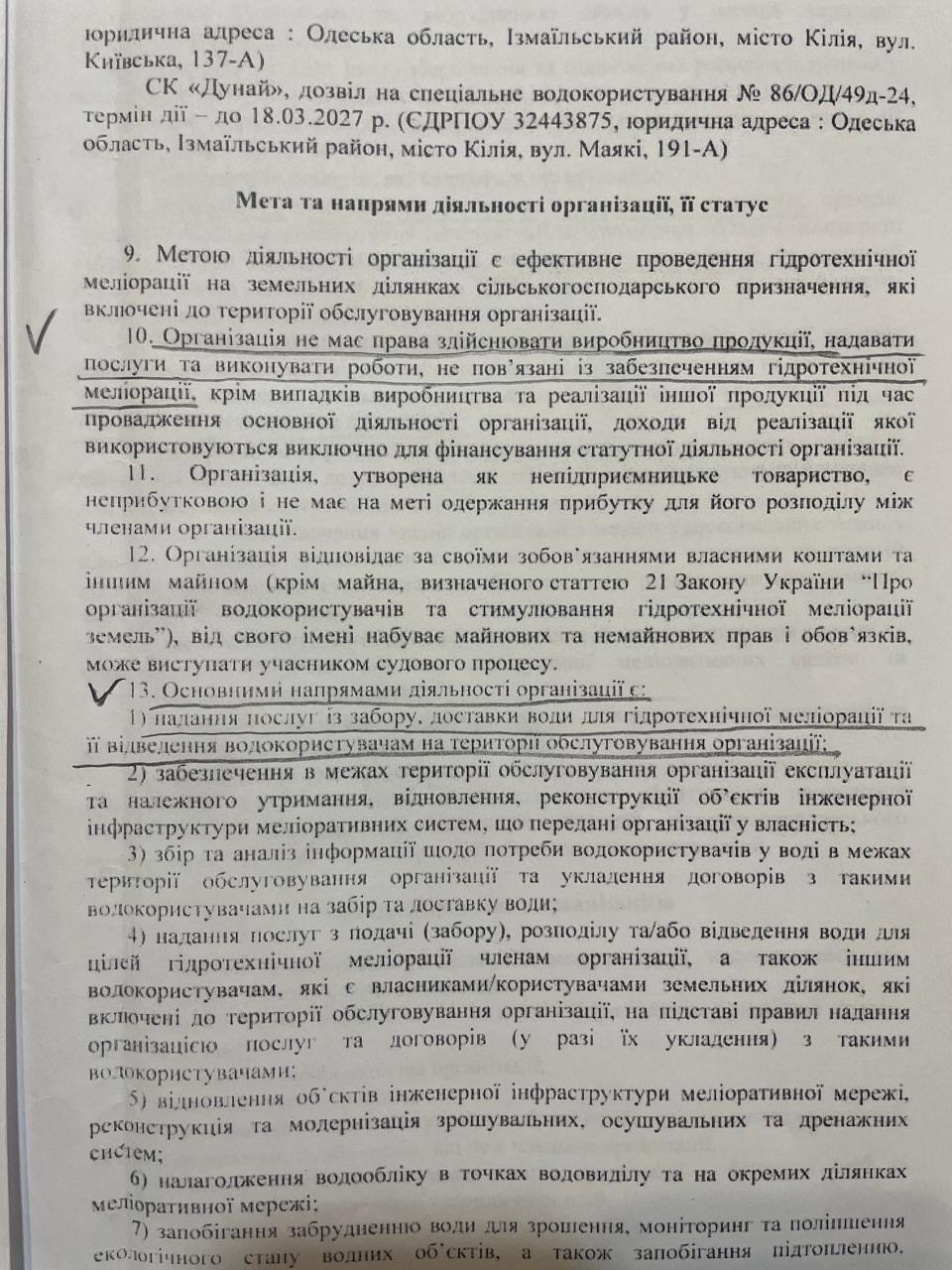
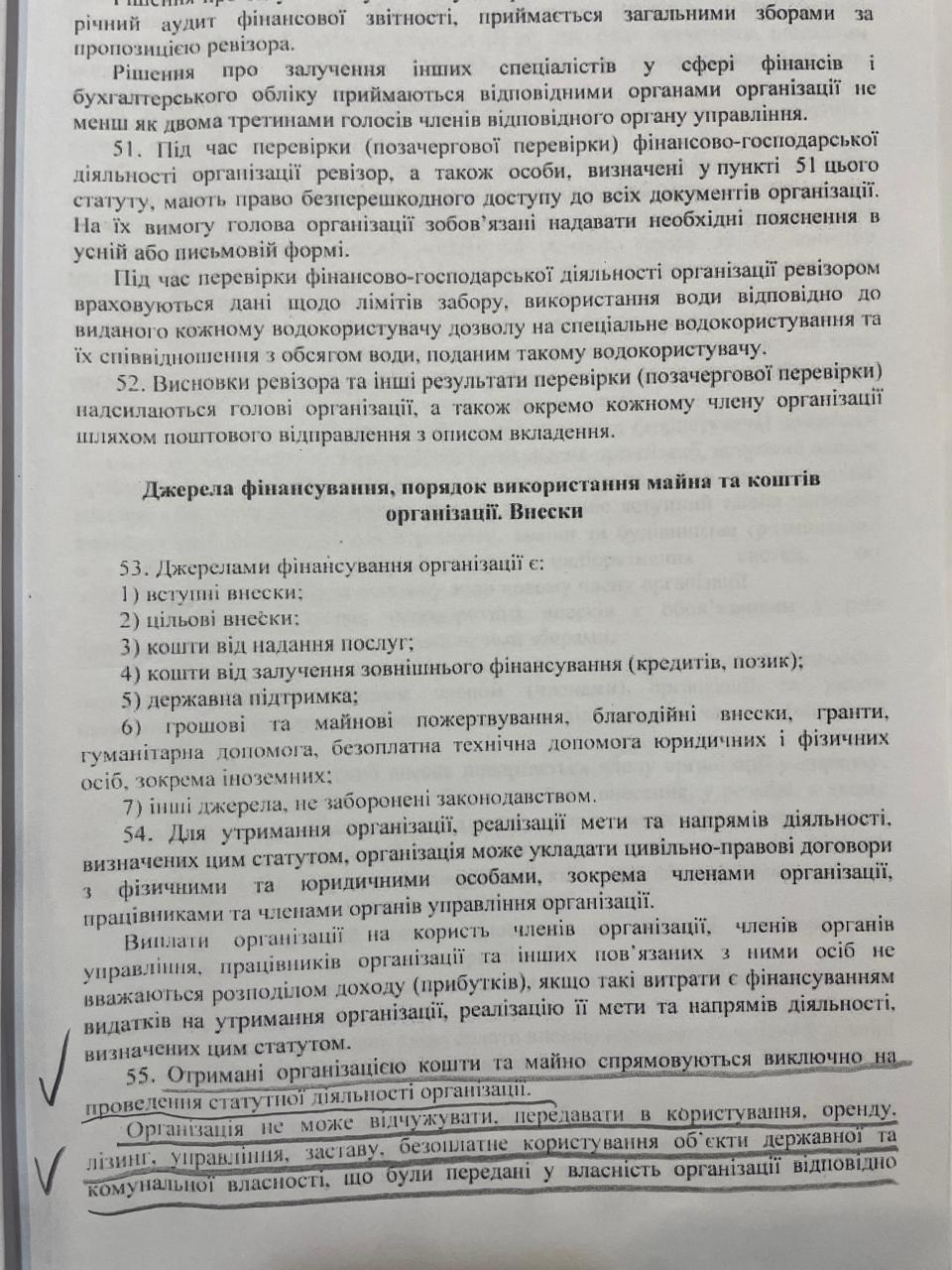
Further use of the “Kofa” station to fill Lake Kytay is effectively precluded by “government paperwork.” After all, according to the charter of the “First Kiliya Water Management Company,” this organization was established to provide hydraulic land reclamation within the territory it serves. The document also stipulates that the acquired property (including the “Kofa” station) is to be used exclusively for the organization’s statutory activities.
As a result, “local communities and a significant portion of the agricultural region are now critically dependent on the activities of the ‘First Kiliya Irrigation Company’.”
Without state oversight
Given the critical situation, local deputies emphasize the need to “restore direct state control over ensuring water supply to Lake Kytay” and propose considering the issue of “returning the ‘Kofa’ pumping station to state management.”
The deputies also request the creation of an interagency working group involving representatives from the relevant Ministry of Economy, the Odesa Regional State Administration, local government, and relevant agencies.
The deputies of the Izmail District have, in fact, outlined the entire essence of the problem in their appeals, specifically to Deputy Minister of Economy Iryna Ovcharenko, the Ministry of Agrarian Policy, the Ministry of Environmental Protection, and the Odesa Regional Military Administration.
However, to date, no public or written response has been received from the relevant parties regarding a possible reconsideration of the decision to transfer the “Kofa” pumping station or regarding a separate plan to stabilize the situation around Lake Kytay.
 .
. 
The editorial staff is preparing corresponding requests for information on the outlined issues to the relevant agencies and the Regional Military Administration.