Following the resumption of the blockade of Iranian ports, transit through the Strait of Hormuz has decreased
17 July 18:13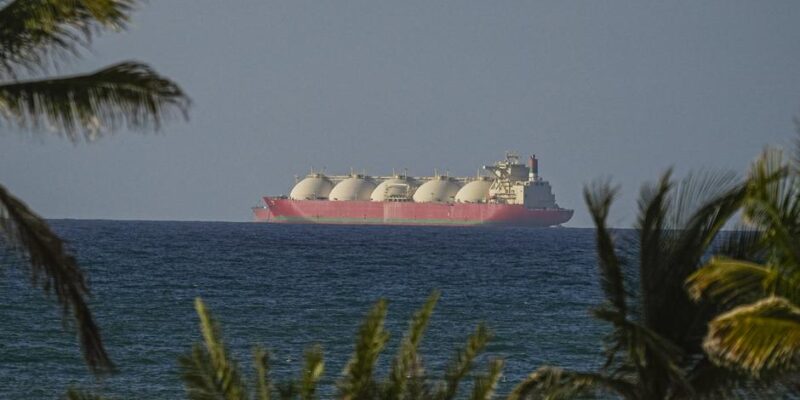
On July 15, only nine ships passed through the Strait of Hormuz, compared to 13 the day before. After clarifying the initial data, which had reported seven passages, it turned out that the ships did not include any very large crude carriers (VLCCs) or LNG carriers, writes the Center for Transport Strategies (CTS), as reported by "Komersant Ukrainian".
“Five empty vessels entered the Persian Gulf, including three small oil tankers and two dry cargo ships intended for transporting grain. Another four vessels left the Gulf carrying liquefied petroleum gas (LPG), coal, fuel oil, and fertilizers. Most of the shipping took place via the northern route, which is controlled by Iran,” the report states.
Commercial shipping remained limited both in the southern corridor off the coast of Oman and on the northern route. The Joint Maritime Information Center assessed the threat level in the strait as “extremely high,” noting persistent risks associated with the possible use of mines and navigation disruptions.
Oman implemented a phased system of controlled passage for vessels through temporary corridors after the standard traffic separation scheme was deemed unsafe. Vessels were organized into groups for transit and were required to wait for passage in designated areas while maintaining communication with the authorities.
The decline in shipping activity followed the resumption of the blockade of Iranian ports by U.S. naval forces at 4:00 p.m. Eastern Time on July 14. The restrictions applied to vessels bound for or departing from Iranian ports, while other vessels in the region were allowed to continue their voyages.
“Since July 11, no LNG carrier has entered or exited the Persian Gulf via the Strait of Hormuz. The last known vessel of this type was the Al Hamra, which left the Gulf after loading at the LNG plant on Das Island in Abu Dhabi. Currently, 21 LNG carriers remain inside the Persian Gulf,” the report states.
On July 14, a Suezmax-class tanker carrying 1 million barrels of Saudi oil passed through the strait heading out of the Persian Gulf. Its Automatic Identification System (AIS) transponder was turned off at the time.
As a reminder, on the night of July 15, the U.S. military carried out another series of strikes against Iranian targets and announced the resumption of a naval blockade against ships bound for Iranian ports.
U.S. Central Command (CENTCOM) reported on X that U.S. military forces “resumed the naval blockade against vessels traveling to and from Iranian ports and coastal areas” at 4:00 p.m. Eastern Time.