More than 5,000 pilgrims arrived in Uman for Shavuot: how visits by Hasidic Jews support the local economy
28 May 16:15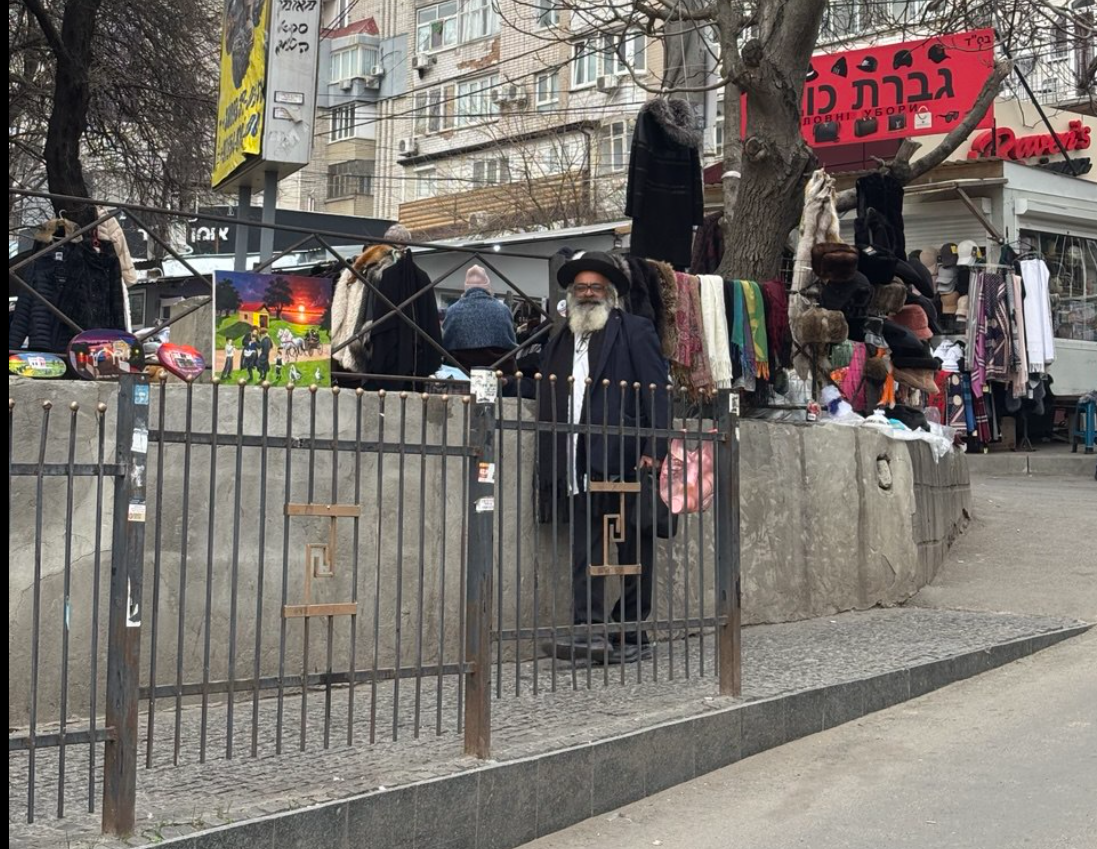
Shavuot, one of the major holidays in the Jewish calendar, was recently celebrated in Uman. According to preliminary data, over 5,000 pilgrims arrived in the city. Iryna Rybnytska, executive director of the “Historical and Cultural Center of the City of Uman” Charitable Foundation, spoke about the economic significance of such visits in an exclusive interview with "Komersant Ukrainian" .
There were many women and children among the pilgrims, as for many families, a trip to Uman is not only a spiritual tradition but also an opportunity to visit places together that hold special significance for the Hasidic community.
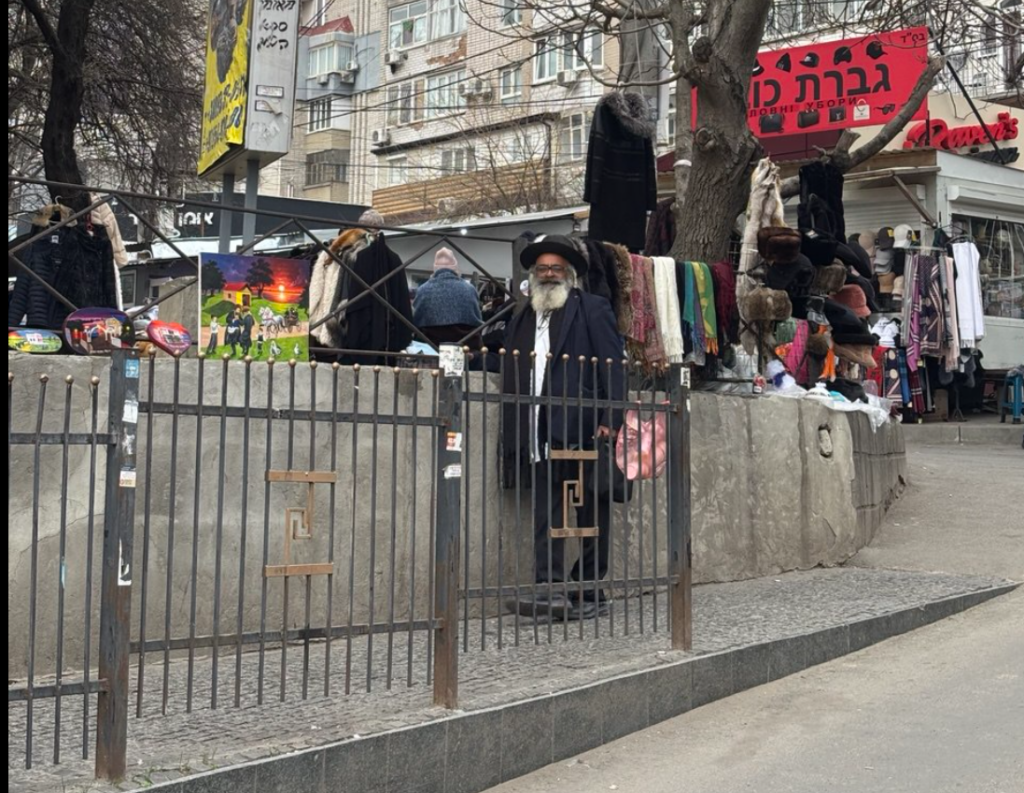
During the holidays, the pilgrims prayed and visited holy sites and memorials. At the same time, the city’s guests actively used the local infrastructure: they visited the Sofiyivka National Arboretum, strolled through the city, bought groceries, clothing, shoes, and other necessities in Uman’s stores, and used taxi services to get around the city and visit the graves of the tzadikim.
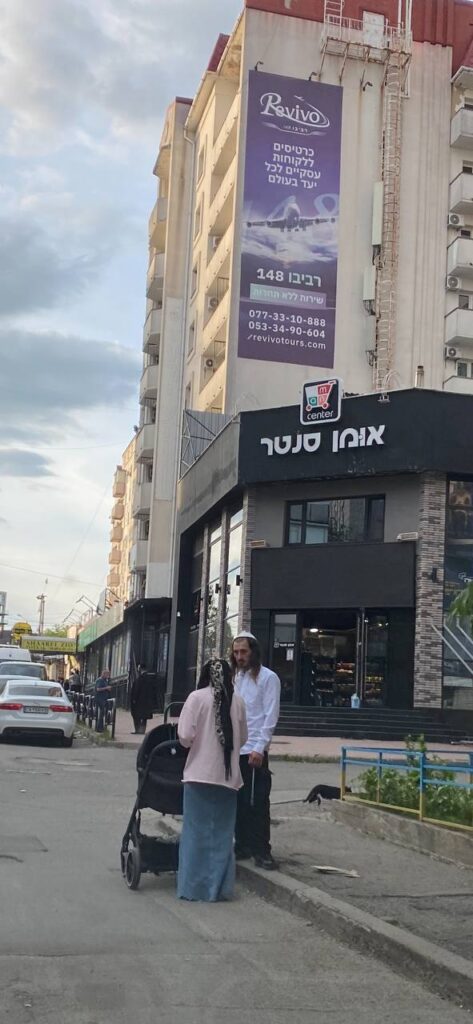
“During the Shavuot celebrations, we saw that the pilgrims did not limit themselves to just prayers. They visited stores, bought clothes, shoes, and groceries, used taxis, traveled around the city, and went to the burial sites of the tzadikim. This means that the pilgrimage also benefits the local economy,” noted Iryna Rybnytska.
Watch us on YouTube: important topics – without censorship
According to her, pilgrims’ visits throughout the year have not only religious and cultural significance but also a real economic impact on the city. Pilgrims spend money in local stores, use public transportation, rent accommodations, and purchase essential goods, food, and other services.
“Every organized pilgrimage visit brings additional activity to the city. This includes shopping, transportation, lodging, services, as well as a tourism tax that should go to the community budget. Therefore, it is important not just to welcome pilgrims, but to create a convenient, transparent, and civilized system for their stay in Uman,” emphasized the foundation’s executive director.
The foundation stresses that pilgrimage tourism should not be viewed solely as a seasonal phenomenon during Rosh Hashanah. Visits for Shavuot and other Jewish holidays demonstrate that Uman has the potential to develop this sector year-round.
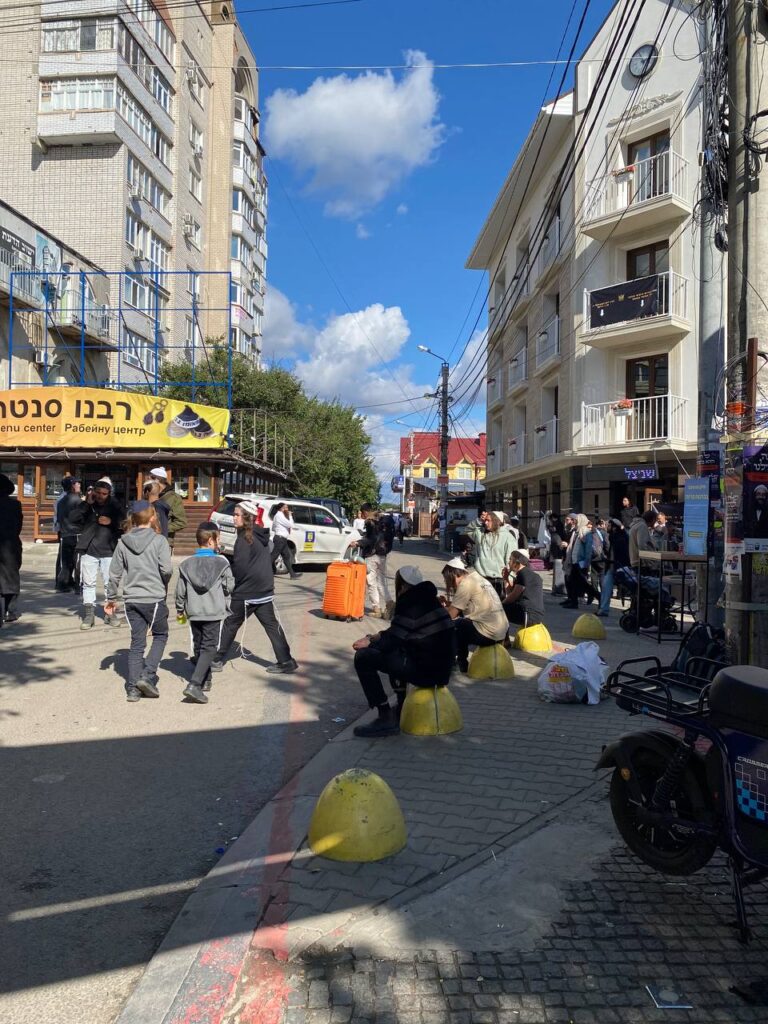
This applies not only to major religious holidays but also to smaller visits: for Jewish holidays, days of remembrance, family trips, and individual pilgrimages.
“Uman is already an important destination for Hasidim around the world. Our task is to ensure that the pilgrimage is organized, safe, and beneficial for the city. If we develop this sector correctly, everyone wins: pilgrims receive quality service and respect for their traditions, while the community gains additional revenue, jobs, and the growth of local businesses,” said Iryna Rybnytska.
For Uman, these days are not only a religious event but also an example of how pilgrimage can be part of city life, tourism, economic development, and intercultural dialogue.
The foundation believes that to develop this sector, systematic work is needed on infrastructure, services, safety, information support, translation services, convenient payment of tourist fees, and collaboration with local businesses.
Read us on Telegram: important topics – without censorship