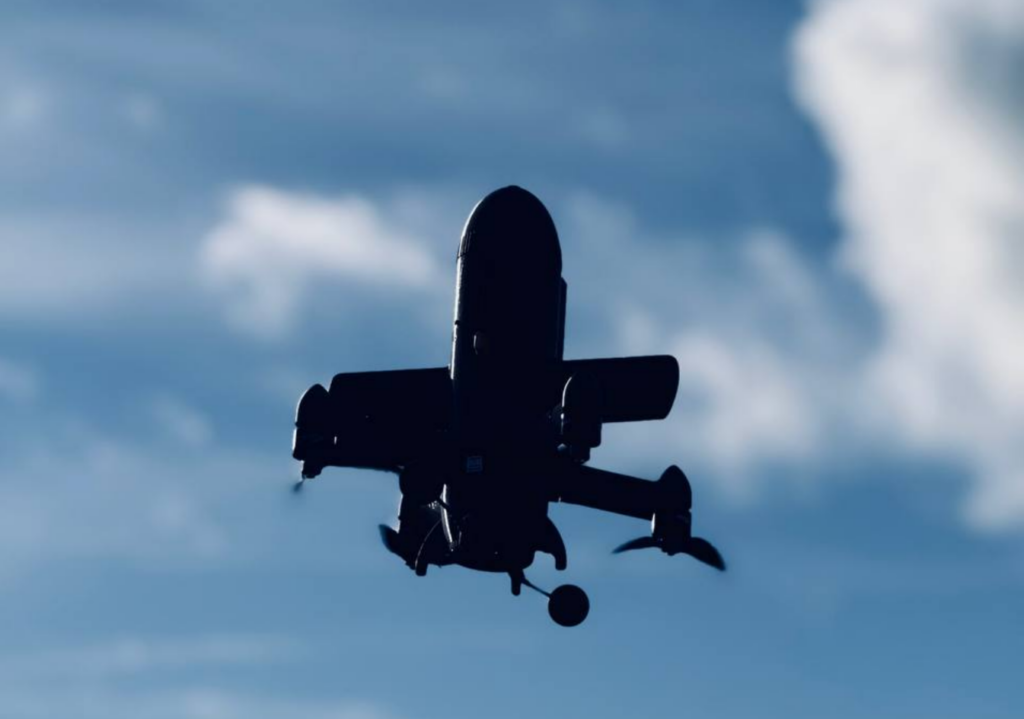
A breakthrough in FPV technology: Ukrainian drones can be controlled from a distance of 2,000 km
22 April 11:57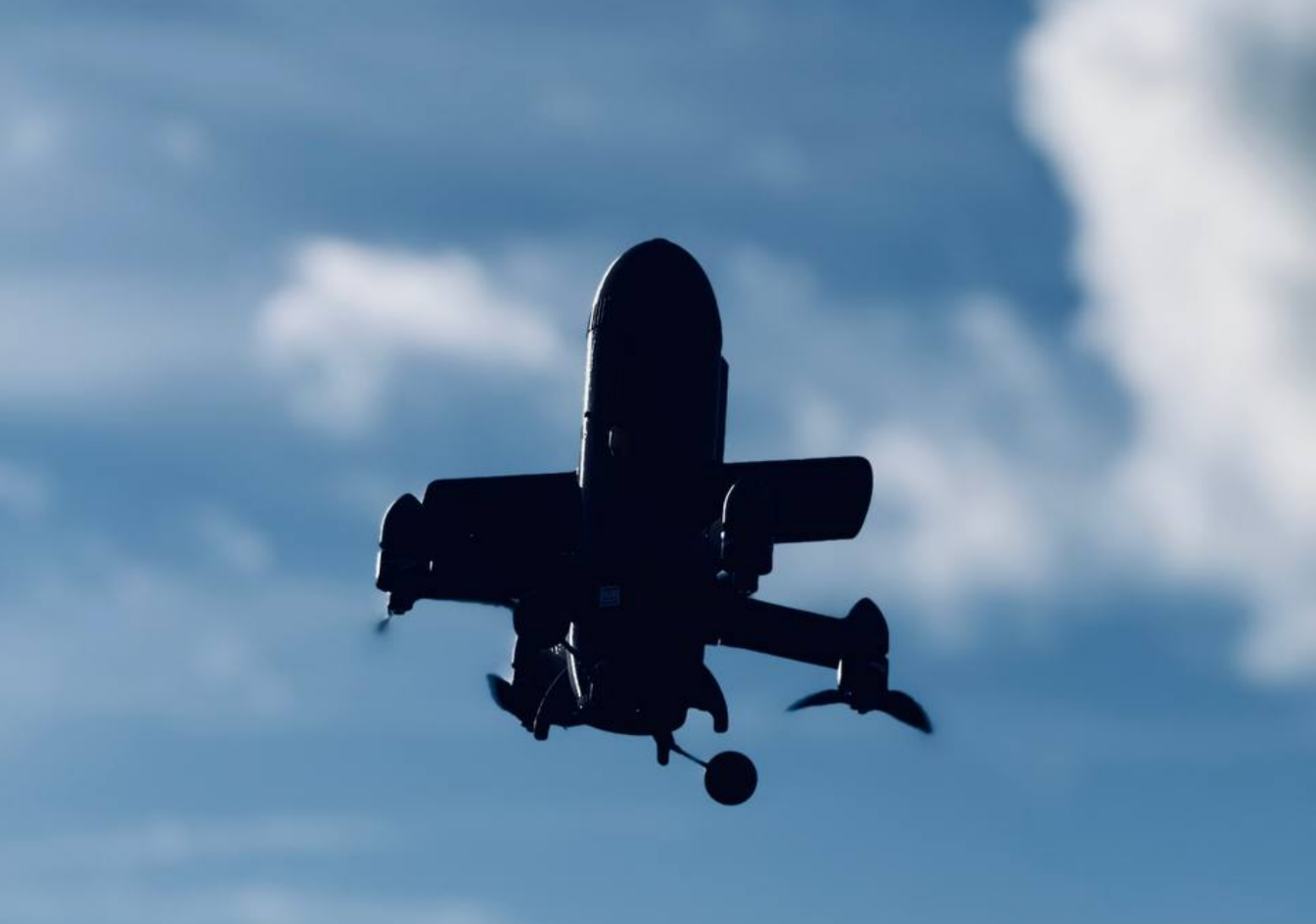
Ukraine has successfully tested the remote control of an FPV drone at a distance of up to 2,000 km and plans to establish infrastructure to effectively counter enemy attack drones. This was reported on Facebook by MP Marian Zablotsky, according to "Komersant Ukrainian"
In his post, he stated that he personally tested remote control of an FPV interceptor from various locations, including at a great distance from the drone itself.
Zablotsky called this experiment a turning point that could significantly influence the approach to the use of unmanned systems in warfare.
A breakthrough in drone technology
Zablotsky revealed that last week he conducted an experiment controlling the FPV interceptor first from his office, then near the state border, and later from abroad at a distance of about 2,000 km from the drone. According to him, the system worked successfully:
“Last week, I conducted a historic experiment: I piloted an FPV interceptor drone first from my office, then near the state border, and then another 2,000 km away from the drone itself—from abroad. Everything works!”
The deputy also emphasized that he considers this result extremely important for the front lines. In particular, he wrote:
“I consider this breakthrough a decisive factor in finally stopping the Russian offensive.”
What role does he attribute to the “Wild Hornets” in the development?
The “Wild Hornets” team was responsible for the development.
According to the manufacturer, the STING fighter drone set a world record for control range—the pilot successfully carried out missions in northern Ukraine while located in another country.
This technology has already been tested in real combat missions. Previously, it was the HORNET VISION Ctrl system that allowed pilot Roman “Hulk” from the BULAVA unit to destroy two enemy “Shaheds” at a distance of 500 km.
Now the developers have proven that the limits of remote control can be significantly greater.
The Ukrainian company “Wild Hornets” is a manufacturer of combat drones and a volunteer foundation that has been creating highly effective FPV drones, interceptors, and communication systems for the Armed Forces of Ukraine since 2023. The developers’ main achievements include the creation of the STING fighter drone, the powerful “Queen of Hornets” platform, and the HORNET VISION Ctrl system, which allows for remote control of equipment from distances of up to 2,000 km. Thanks to close cooperation with combat units and public funding, the company has scaled up production to thousands of units, which has already enabled the destruction of enemy equipment worth over $1.6 billion.
“Wild Hornets” has already begun the serial deployment of this system. This opens up new possibilities for “warfare without borders,” allowing experienced pilots to destroy enemy air targets while remaining completely safe at any distance.
How Zablotsky sees the shift in military logic
In his article, the deputy asserts that this new remote-control capability is changing the very approach to using FPV drones.
According to him, operators no longer need to be strictly tied to the area near the front lines.
He described it this way:
“The entire territory of Ukraine becomes a front line for the enemy. So, some dim-witted orc is storming a landing zone in Donetsk Oblast. So what? He can be taken out from an office in Kyiv. Or even from abroad. From any continent. And there will be tens of thousands of people willing to do so. The Russian monsters certainly won’t win this war. Right now, our teams of FPV pilots are a priority target for the enemy. But they’re no longer tied to the ground within a 20-km radius of the enemy. Remember all those FPV pilots wearing goggles? That’s no longer necessary. Just a monitor—and you’re warm and far away. FPV goggles existed only because it was impossible to operate a monitor normally in the trenches. Now all that is in the past.”
In his post, Zablotsky also announced plans to build infrastructure for remote control centers in collaboration with Ivan Slobodyanik, the All-Ukrainian Association of Communities, and based at the DFTG.
At the same time, the details of this deployment, its scale, timeline, and official status had not been publicly disclosed as of the time of publication.