Gasoline sales in jerry cans have been suspended: “Rosneft,” “Bashneft,” and TNK have imposed fuel restrictions across Russia
17 June 11:17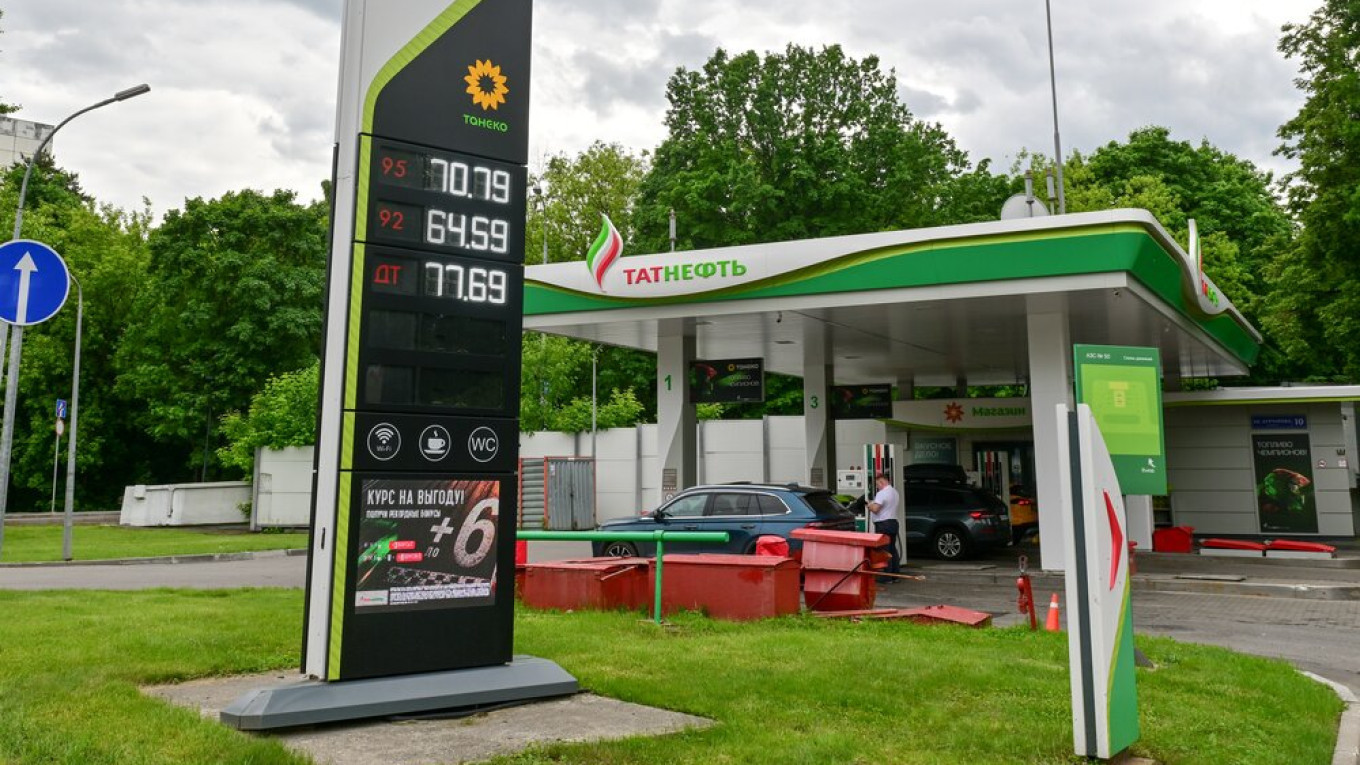
Rosneft gas stations, as well as those operated by Bashneft and TNK (which are part of Rosneft), have banned the sale of gasoline in canisters in all regions of Russia. Hotline operators attributed this to “increased seasonal demand,” according to "Komersant Ukrainian", citing Russian propaganda media.
“Fueling is limited to the vehicle’s tank only. This applies to all gas stations in the network—Rosneft, Bashneft, and TNK. This information is being provided to all customers in Russia. The restrictions are temporary,” said one of the operators. He emphasized that conditions may change and advised customers to verify the information directly at the gas stations. Another operator added that “as a rule,” a 90-liter limit per vehicle is in effect at the network’s gas stations.
Due to the fuel crisis, gas stations in many regions of the Russian Federation are introducing various restrictions: limits on the number of liters, bans on filling jerry cans, and the issuance of purchase vouchers. Some of these measures are being implemented at the federal level.
Watch us on YouTube: important topics – without censorship
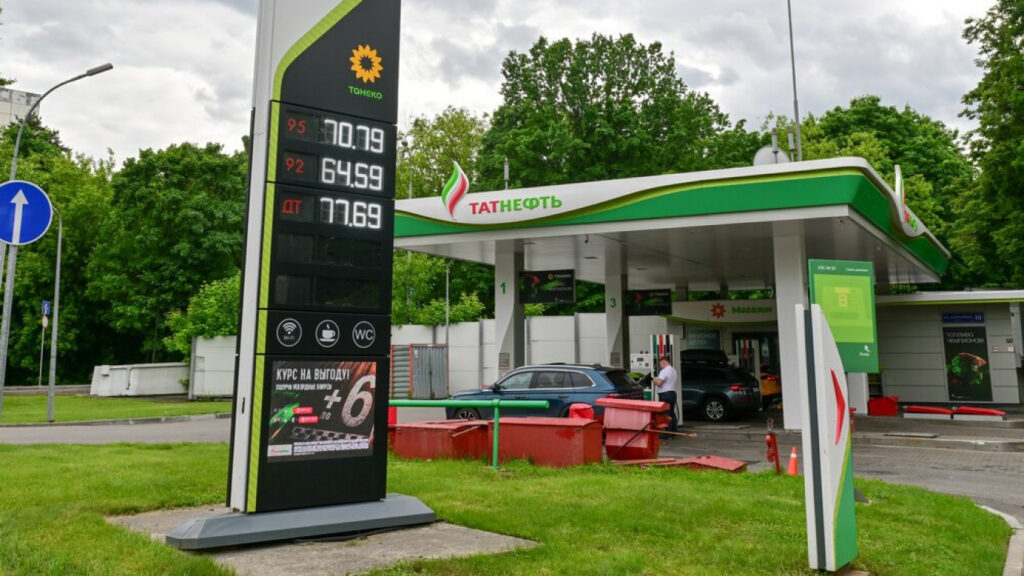
For example, Tatneft has imposed a limit on the sale of gasoline and diesel at all of its gas stations. The restrictions were prompted by Ukrainian drone strikes on oil refining infrastructure. On the night of June 12, Ukrainian Armed Forces drones attacked the Taneco refinery in Nizhnekamsk—Tatneft’s largest facility—after which the plant completely halted oil refining. The restrictions at Tatneft gas stations have spread to Tatarstan, Udmurtia, Moscow, St. Petersburg, as well as the Orenburg, Nizhny Novgorod, Voronezh, Samara, and other regions.
According to media estimates, by June 10, at least 25 Russian regions (excluding the occupied territories of Ukraine) were facing fuel shortages.
Meanwhile, the government has allowed certain refineries to supply gasoline and diesel fuel to the domestic market that do not meet the “Euro-5” standard for sulfur content. In effect, “Euro-3” standard fuel is permitted—with a sulfur content of up to 350 milligrams per kilogram, compared to 10 in “Euro-5.” As Sergey Frolov, managing partner of NEFT Research, warned, the use of such fuel will increase wear and tear on engines, exhaust systems, and catalytic converters. However, as sources note, even this does not solve the problem of the fuel shortage.
Read us on Telegram: important topics – without censorship