A game-changing appointment: what Budanov’s arrival at the Presidential Office means
2 January 20:32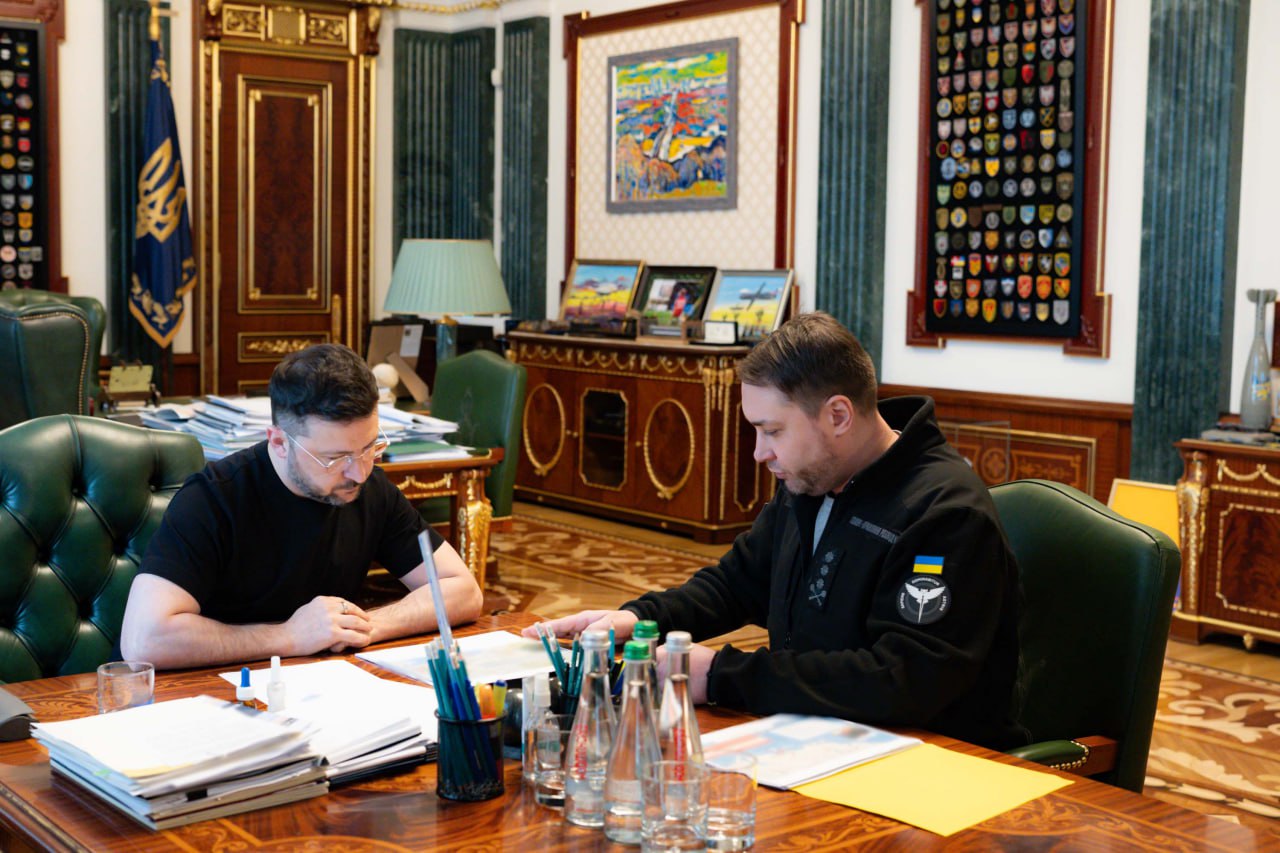 РОЗБІР ВІД
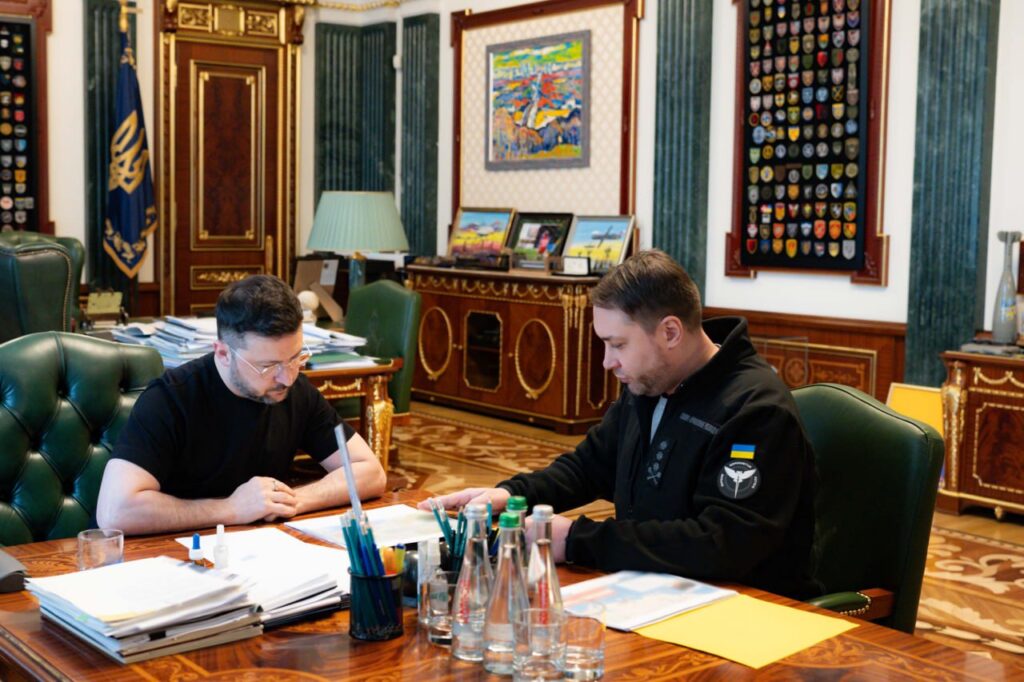
A full-scale war changes not only the course of military operations but also the structure of state power. The appointment of Kirill Budanov, head of the Main Intelligence Directorate, as head of the Office of the President of Ukraine has been one of Volodymyr Zelenskyy’s most significant personnel decisions since the war began.
This move signals a heightened focus on security in the management of the state and raises key questions: Does this mean a transition to a “war model” of governance? What role will the security services now play in political decisions? And will Budanov become not only a war strategist but also one of the country’s key political players? Read more in the article "Komersant Ukrainian".
Ukrainian President Volodymyr Zelenskyy has appointed Kirill Budanov, head of the Main Intelligence Directorate of the Ministry of Defense, as head of the Office of the President of Ukraine. The head of state announced this on social media, emphasizing the need to strengthen the security and diplomatic aspects of the Office of the President’s work.
“Right now, Ukraine needs to focus more on security issues, the development of Ukraine’s defense and security forces, as well as the diplomatic track in negotiations. Kirill has specialized experience in these areas and the necessary strength to achieve results,” Zelenskyy noted.
The decision sparked active discussion among experts, particularly among security and intelligence specialists.
Personnel reshuffles in the security services are standard practice
Grigory Tamar, a reserve officer of the Israel Defense Forces (IDF) and a military expert, offered his assessment of the appointment. According to him, personnel changes in the leadership of special services are standard practice for states at war.
“This is, generally speaking, a fairly routine situation. The leadership of intelligence agencies changes periodically—and that’s normal. Even in Israel, despite the war, personnel changes take place,” noted Grigory Tamar.
Tamar cited the example of Israel, where a native of the post-Soviet space was recently appointed head of the Mossad foreign intelligence service; although he lacked traditional intelligence experience, he had proven himself during combat operations.
“This indicates one thing: in wartime, the state seeks strong leaders, not just people with formal experience,” explained Grigory Tamar.
At the same time, the expert cautioned: the dangerous signal is not the fact of personnel changes itself, but their excessive frequency.
When do reshuffles become a problem?
“It is abnormal when the leadership of the special services changes every few months or once every six months. This already indicates an internal crisis within the structures,” Tamar emphasized.
In his assessment, the current situation in Ukraine does not appear to be destabilizing or chaotic.
Budanov’s political ambitions: a risk or a resource?
Separately, Grigory Tamar drew attention to Kirill Budanov’s public profile, which is atypical for an intelligence chief.
“A person in such a position usually has to remain in the shadows. Budanov, on the contrary, has been very public. This may indicate the presence of political ambitions,” Tamar noted.
At the same time, he emphasized that political ambitions in and of themselves are not a negative factor.
“There’s nothing wrong with that. It simply shapes his personal background and may explain the logic behind his current appointment,” Tamar added.
A retired officer of the Israel Defense Forces (IDF) spoke highly of the activities of Ukrainian intelligence and special services during the full-scale war with Russia.
“During this extremely difficult war, Budanov proved himself to be a professional. Ukraine’s special services can claim no fewer, and perhaps even more, successes than the Armed Forces,” Tamar emphasized.
According to Tamar, Ukraine today has aggressive, effective, and creative special services that operate at the level of leading global agencies.
What’s Next for the GUR
The expert drew particular attention to the fact that Budanov left behind a successor with experience in the intelligence community.
“The fact that he handed over the position to a lieutenant general with extensive experience is not a problem in itself. The question is whether the new head of the GUR will have to prove his professional qualities through concrete actions,” Tamar noted.
As a reminder, from 2015 to 2024, Oleg Ivashchenko served as first deputy chief of the Main Intelligence Directorate of the Ministry of Defense. From 2019 to 2024, he was the assistant to the Commander-in-Chief of the Armed Forces of Ukraine for intelligence. In 2024, Ivashchenko was appointed head of the Foreign Intelligence Service.
The Foreign Intelligence Service website states that he served in the Armed Forces of Ukraine in positions both in Ukraine and abroad.