
The rare Bundibugyo virus has killed nearly 120 people in the Congo: what we know
19 May 09:51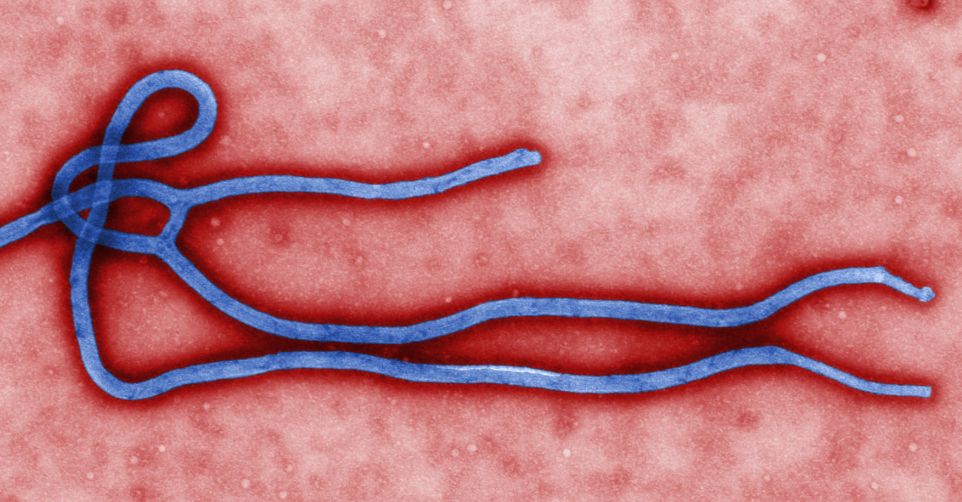
The Democratic Republic of the Congo is setting up three Ebola treatment centers in the eastern province of Ituri due to an outbreak of the rare Bundibugyo strain of the virus. According to the Associated Press, the disease has already claimed the lives of nearly 120 people, reports "Komersant Ukrainian"
Among those infected is an American doctor who worked at a local hospital.
On May 17, the World Health Organization declared the Ebola outbreak caused by the Bundibugyo virus in the DRC and Uganda a public health emergency of international concern. At the same time, the WHO noted that the situation does not meet the criteria for a pandemic emergency.
What is known about the Ebola outbreak
The outbreak was detected in the eastern part of the DR Congo, specifically in the provinces of Ituri and North Kivu. According to the AP, as of May 19, there have been nearly 120 deaths and over 300 suspected cases. Cases have also been reported in neighboring Uganda.
This is the Bundibugyo strain, which is much rarer than the better-known Zaire strain. The AP notes that there are currently no approved vaccines or specific treatments for this strain.
Why the virus spread unnoticed
According to Reuters, the outbreak may have been detected late due to testing issues. Initially, samples were tested for the Zaire strain rather than Bundibugyo, so the first results may have been false negatives. This led to a delay in the response of about several weeks.
Reuters also reports that the spread of the virus may have been facilitated by burial practices and difficult conditions in the region, where there are issues with security, medical infrastructure, and access to protective equipment.
American doctor evacuated to Germany
Among the confirmed patients is an American doctor who worked at a hospital in the city of Bunia. According to the AP, he is part of a group of seven Americans being evacuated to Germany for treatment or medical observation.
On May 18, the CDC announced stricter screenings, entry restrictions, and additional public health measures to prevent the introduction of Ebola into the U.S. amid outbreaks in East and Central Africa.
Why the Bundibugyo strain is a cause for concern
The Ebola virus is transmitted through contact with the bodily fluids of an infected person or the body of a deceased person. This is why healthcare workers, relatives of patients, and people involved in caregiving or burials are at increased risk of infection.
The Bundibugyo strain has been recorded only a few times before: first in Uganda in 2007–2008, and later in the Congo in 2012. AP notes that the current outbreak is only the third known occurrence of this strain.
The situation is complicated by a humanitarian crisis
Eastern DRC has suffered for many years from armed violence, population displacement, and weak medical infrastructure. The Guardian reports that fear of Ebola in Ituri is exacerbated by poverty, misinformation, and the challenges medical teams face in regions where armed groups operate.
Because of this, even the opening of treatment centers does not guarantee a rapid containment of the outbreak: testing, isolation of patients, contact tracing, protection of medical workers, and the trust of local communities are all necessary.
What the government and international organizations are doing
The DRC is opening three additional Ebola treatment centers in Ituri. International medical organizations are also deploying aid, including personal protective equipment, testing, and support for local hospitals.
After consulting with countries where the outbreak has been reported, the WHO has declared a public health emergency of international concern. This status means that the disease may pose a risk to other countries and requires a coordinated international response.
Read us on Telegram: important topics – without censorship










