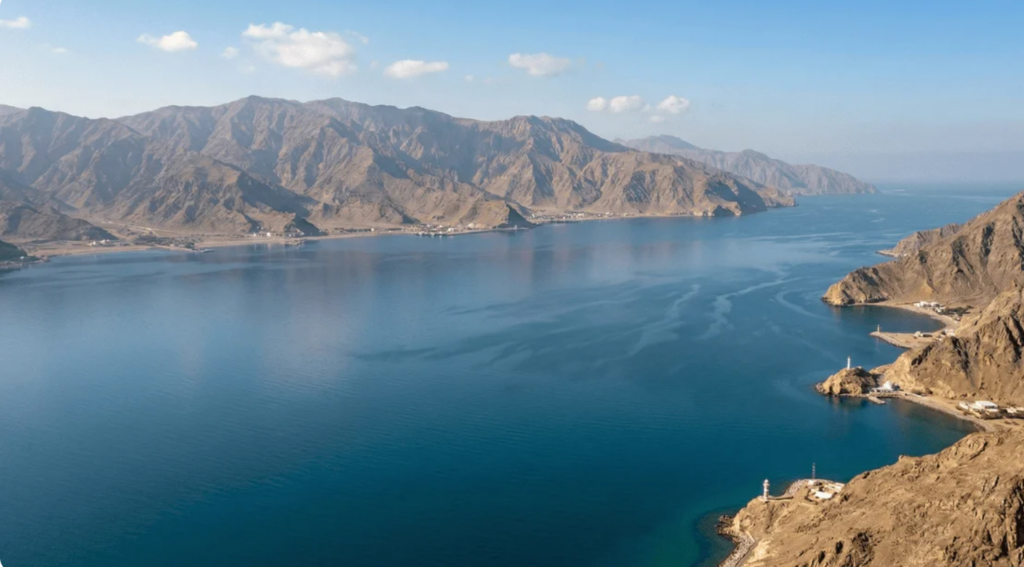
The U.S. denies blocking the Strait of Hormuz, but shipping has nearly come to a standstill
11 June 08:13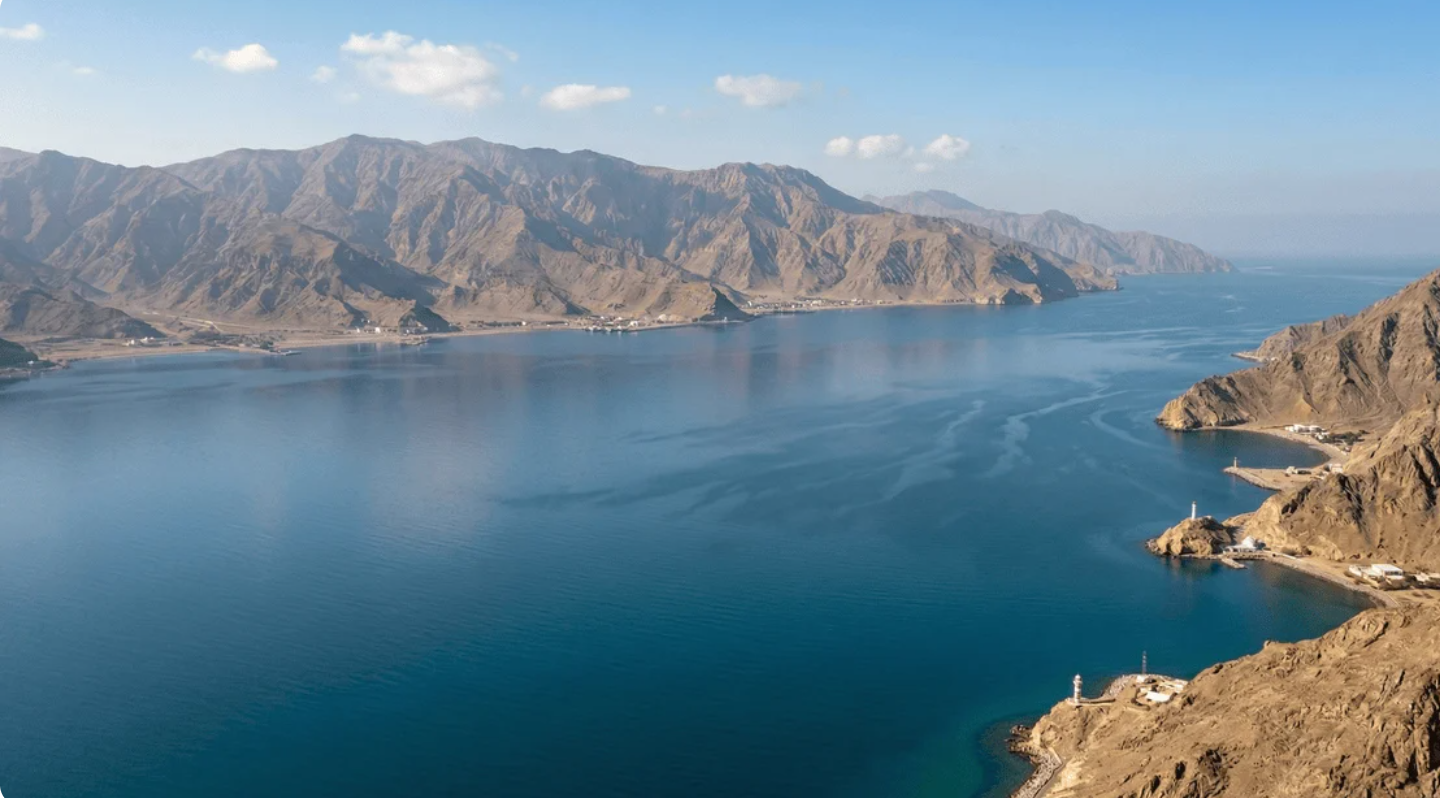
Iran announced the closure of the Strait of Hormuz to shipping following a series of airstrikes that, according to media reports, were carried out against Iranian cities on the night of June 11. Tehran warned that any vessel attempting to pass through the strait without permission could be treated as a target. Meanwhile, the U.S. Central Command stated that commercial vessel traffic in the strait is still being recorded, according to "Komersant Ukrainian"
The Strait of Hormuz is one of the most important sea lanes for the global energy market, as a significant portion of oil shipments from the Persian Gulf pass through it. Therefore, any escalation around this route could affect international trade, oil prices, and the security situation in the region.
Iran has declared the Strait of Hormuz closed
According to The New York Times, citing a statement by the Iranian Armed Forces to local media, the decision applies to absolutely all types of vessels, including oil tankers and commercial ships. This applies to both oil tankers and commercial vessels.
“Effective immediately, due to instability in the region, the Strait of Hormuz is declared closed to all vessels, including oil tankers and commercial ships,” representatives of the Islamic Revolutionary Guard Corps stated.
Tehran also warned that vessels attempting to pass through the strait without authorization could be treated as potential targets by the Iranian military.
Watch us on YouTube: important topics – without censorship
Tehran threatened to attack vessels without permission
Tehran has previously threatened on multiple occasions to attack any vessels attempting to pass through the Strait of Hormuz without IRGC permission. Additionally, new rules have been introduced regarding the admission of ships into this vital waterway.
Iranian officials have suggested that the conflict could escalate into a purely military confrontation if the situation around the strait continues to worsen.
According to the Iranian news agency Tasnim, Iranian forces allegedly attacked two merchant ships that were attempting to pass through the Strait of Hormuz without permission. There was no independent confirmation of this information at the time of the initial reports.
READ ALSO: US and Israel Strike Iranian Ships in the Strait of Hormuz: What We Know
CENTCOM denied that the strait was completely blocked
Despite Tehran’s claims, U.S. Central Command reported that the Strait of Hormuz is not completely blocked. According to CENTCOM, at the time of publication, commercial vessels were still moving in both directions in the strait.
At the same time, CNN, citing JPMorgan analysis, reports that shipping in the Strait of Hormuz has significantly decreased due to the military escalation. According to these estimates, vessel traffic could have dropped to approximately 15% of pre-war levels.
Why the Strait of Hormuz is important
The Strait of Hormuz connects the Persian Gulf with the Gulf of Oman and the Indian Ocean. It is of strategic importance for the export of oil and gas from the Persian Gulf countries.
That is why Iran’s threats to block this route are causing concern in global markets. Even a partial restriction on shipping through the Strait of Hormuz could lead to disruptions in energy supplies and exacerbate tensions between Iran and the U.S.
What caused the escalation
One of the key factors in the escalation was the U.S. strikes on Iranian targets. According to media reports, explosions were heard in Bandar Abbas, Sirik, and other areas of Iran on the night of June 11. There were also reports of air defense systems operating over Tehran.
Iranian media also reported naval clashes between the two countries’ forces. According to preliminary data, the U.S. attack was a response to the earlier downing of an Apache helicopter.
The situation remains tense
This is not the first time Iran has threatened to restrict or block traffic through the Strait of Hormuz. Previously, Tehran announced new rules for allowing ships into this strategic maritime corridor and warned of possible attacks on vessels without IRGC permission.
Currently, the situation around the strait remains unstable. Iran claims to have closed the route and is ready to attack unauthorized vessels, while the U.S. asserts that a complete blockade has not occurred, although shipping activity has significantly decreased.
Read us on Telegram: important topics – without censorship