The U.S. and Israel have struck Iranian vessels in the Strait of Hormuz: what we know
26 May 04:53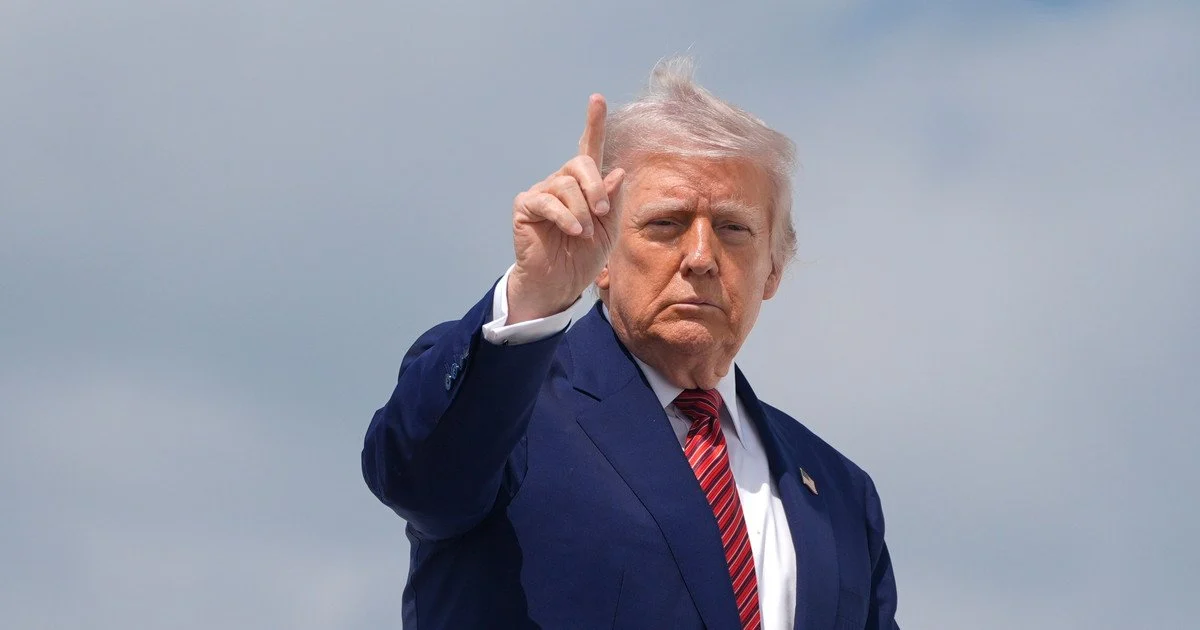
U.S. and Israeli aircraft struck several Iranian vessels in the Strait of Hormuz. This was reported by Bloomberg, citing the Iranian propaganda outlet Nour News, according to "Komersant Ukrainian"
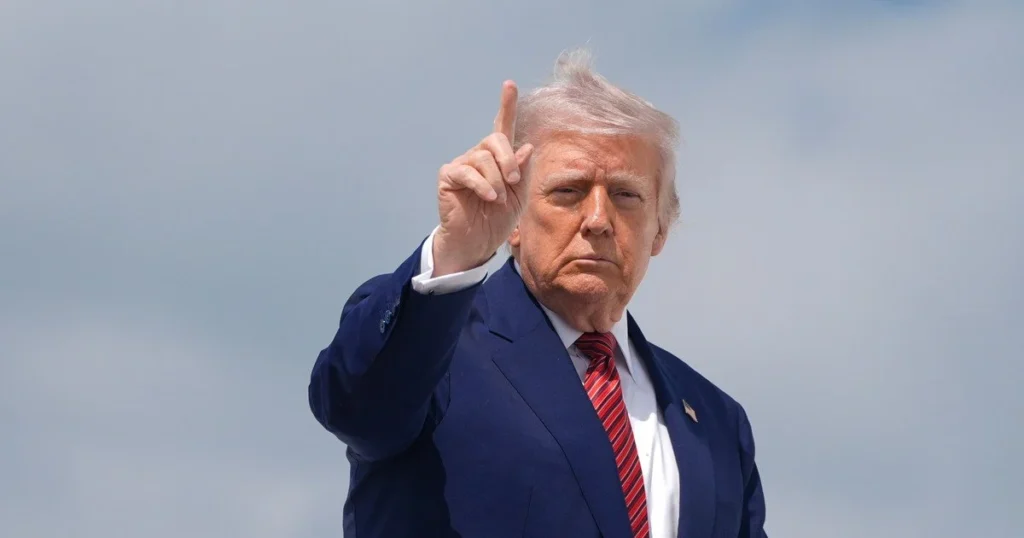
This new escalation occurred just hours after U.S. President Donald Trump announced progress in negotiations with Tehran regarding the extension of the ceasefire and the reopening of the Strait of Hormuz.
According to Reuters, the U.S. and Iran are discussing a scenario under which Iran could open the strait approximately 30 days after a peace agreement is reached.
What is known about the strike
According to Bloomberg, strikes were carried out against several Iranian vessels in the Strait of Hormuz area. This refers to the waters south of Larak Island.
According to preliminary data:
- the strikes were carried out by American and Israeli aircraft;
- several Iranian vessels were targeted;
- there are reports of casualties among Iranian military personnel;
- there are no official details yet regarding the extent of the damage;
- the information is primarily based on a report by Iran’s Nour News.
Meanwhile, U.S. Central Command previously reported “defensive strikes” against Iranian targets and boats in the Strait of Hormuz area. On May 7, CENTCOM stated that U.S. forces repelled Iranian attacks on a U.S. destroyer as it transited the strait and responded with strikes against the targets responsible for the attacks.
Why has the situation escalated right now?
The strike occurred amid complex negotiations between the U.S. and Iran. Reports had emerged the day before that the parties had made progress on extending the ceasefire and potentially reopening the Strait of Hormuz.
Reuters, citing Nikkei, reported that one option for the agreement involves opening the strait approximately 30 days after the deal is signed. During this time, Iran would have to begin clearing mines and ensure safe passage for ships.
However, the situation remains unstable. The Guardian reports that Iran denies the inevitability of a deal with the U.S., although it acknowledges some progress in the negotiations. Tehran also cites disagreements over navigation fees, the nuclear program, and Israel’s role in the conflict.
Watch us on YouTube: important topics – without censorship
What the US is saying
According to US media reports, Washington is characterizing some of the strikes in the Strait of Hormuz as acts of self-defense. The New York Post, citing CENTCOM, reported that on May 25, the US military struck boats belonging to the Islamic Revolutionary Guard Corps, which, according to the US, were laying mines in the Strait of Hormuz. There were also reports of a strike on a missile facility at the Iranian naval base in Bandar Abbas.
The U.S. emphasizes that these actions are intended to protect American forces and shipping. At the same time, the strikes are taking place at a very sensitive stage of negotiations with Tehran.
Why the Strait of Hormuz is so important
The Strait of Hormuz is one of the world’s most critical maritime routes for the transport of energy resources. In peacetime, a significant portion of global oil and gas supplies passes through it.
That is why any military action in this region immediately affects:
- global oil prices;
- fuel costs;
- maritime insurance;
- energy logistics;
- inflation expectations;
- energy security in Europe and Asia.
Following the U.S. and Israeli attacks on Iran in late February, the situation in the Strait of Hormuz region sharply escalated, and shipping became one of the key points of negotiation.
How this could affect the oil market
The day before, oil prices were falling amid expectations of a possible deal between the U.S. and Iran. Markets reacted to the prospect of the Strait of Hormuz reopening and the resumption of normal tanker traffic.
However, new attacks on Iranian vessels could once again increase risks for the energy market. If the conflict escalates, oil prices could gain new momentum for growth.
This is important for Ukraine due to the impact of global prices on:
- fuel;
- logistics;
- agricultural exports;
- inflation;
- the cost of imported goods;
- the situation on the foreign exchange market.
Read us on Telegram: important topics – without censorship