The U.S. struck Iranian boats in the Strait of Hormuz: what we know
5 May 04:43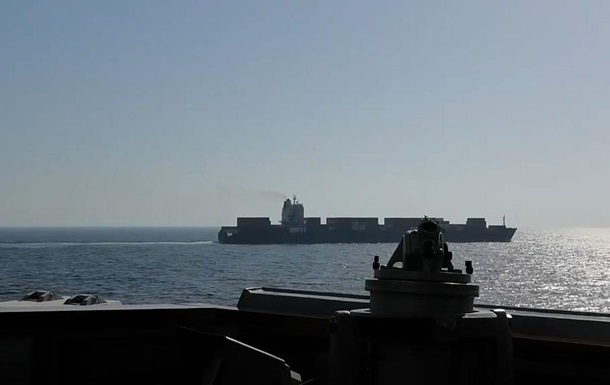
U.S. President Donald Trump stated that the U.S. military had struck seven Iranian speedboats in the Strait of Hormuz. According to him, Iranian forces opened fire on civilian vessels from neutral countries, including a cargo ship linked to South Korea. The incident could mark a new round of escalation in the Middle East.
Trump announced the strike on his social media platform Truth Social, according to "Komersant Ukrainian"
Meanwhile, Reuters, citing data from the U.S. military, reported the destruction of six Iranian small boats, as well as the interception of Iranian drones and cruise missiles as part of Operation Project Freedom, aimed at opening up shipping in the Strait of Hormuz.
What Trump said
According to Donald Trump, Iran allegedly attacked ships that were not involved in the U.S. operation, including a South Korean cargo ship.
“Iran opened fire on countries that have nothing to do with the movement of ships under Project Freedom, including a South Korean cargo ship,” Trump said.
The U.S. president also called on Seoul to join efforts to ensure the safety of shipping in the Persian Gulf.
Reuters separately reports that the South Korean ship was hit by an explosion and caught fire in the Strait of Hormuz, and Trump stated that an Iranian strike was to blame.
What is Operation Project Freedom
According to Reuters, the U.S. is conducting Operation Project Freedom, aimed at restoring safe navigation through the Strait of Hormuz. This is one of the most critical maritime routes for global energy trade.
U.S. command states that the operation involves multi-layered defense capabilities, including Navy ships, aircraft, submarines, and approximately 15,000 troops in the region. According to the U.S., in addition to boats, American forces also intercepted Iranian drones and cruise missiles.
Watch us on YouTube: important topics – without censorship
Why the Strait of Hormuz is so important
The Strait of Hormuz is a strategic maritime corridor between the Persian Gulf and the Gulf of Oman. A significant portion of the world’s oil and liquefied natural gas supplies passes through it.
Any attack on ships or a blockade of the strait could quickly affect:
- oil prices;
- fuel costs;
- maritime insurance;
- global trade;
- inflation expectations;
- stability in the Middle East.
That is why incidents in the Strait of Hormuz matter not only to the U.S. and Iran, but also to the global economy.
The Pentagon is preparing a briefing
U.S. Secretary of Defense Pete Hagset and Chairman of the Joint Chiefs of Staff Dan Kane are expected to hold a press conference on Tuesday regarding the situation in the Middle East.
It is at this briefing that they may clarify:
- exactly how many Iranian boats were hit;
- whether there were any casualties among the crews;
- which vessels Iran attacked;
- whether the U.S. is planning new operations;
- whether other countries will join in protecting shipping.
Risk of a new escalation
The incident occurred against the backdrop of tensions surrounding Iran and the Persian Gulf. According to Reuters, despite the previously announced ceasefire, Iranian forces continued attacks in the region, particularly on ships and facilities belonging to U.S. allies.
The Guardian reports that Trump warned Iran of a harsh response in the event of attacks on American ships, while U.S. allies are calling for de-escalation and diplomatic efforts.
Read us on Telegram: important topics – without censorship